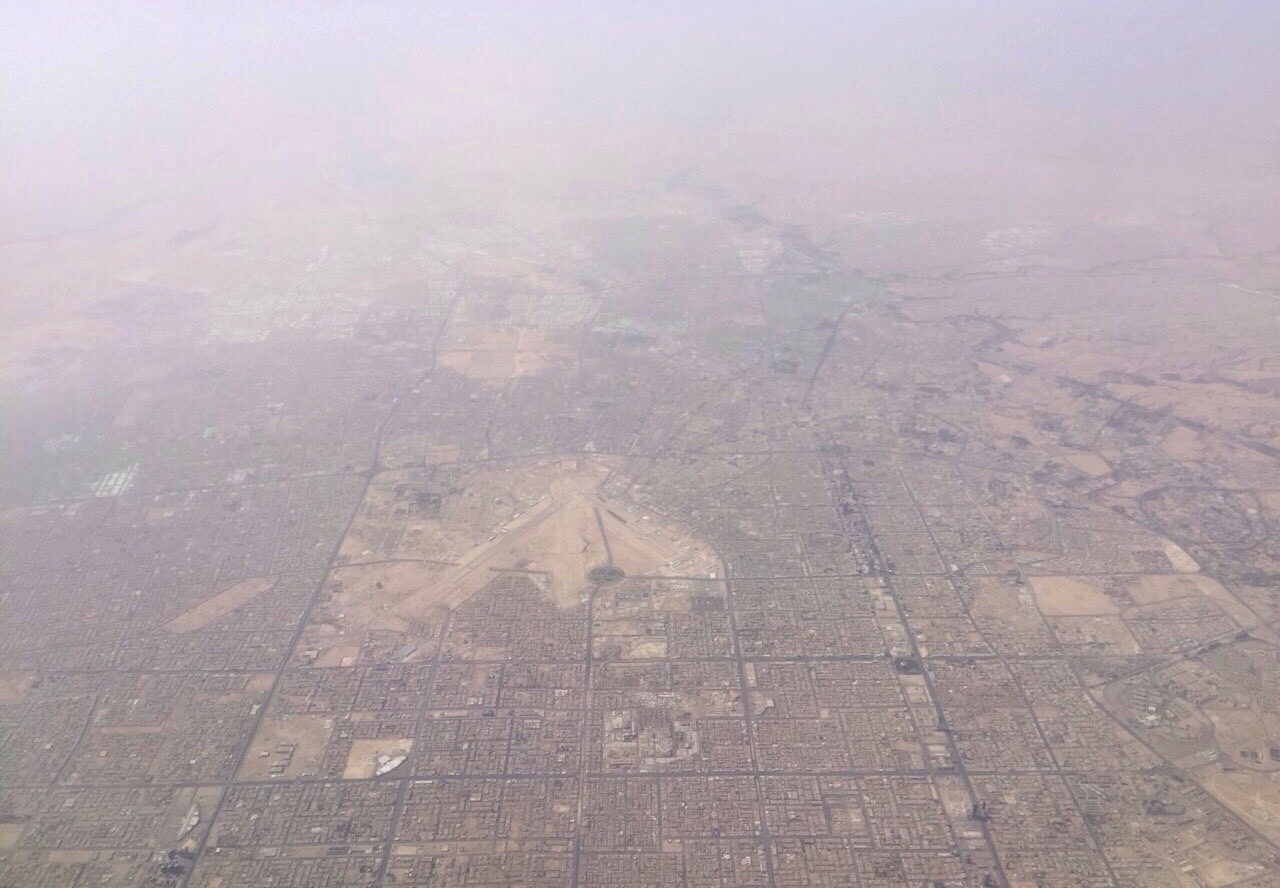
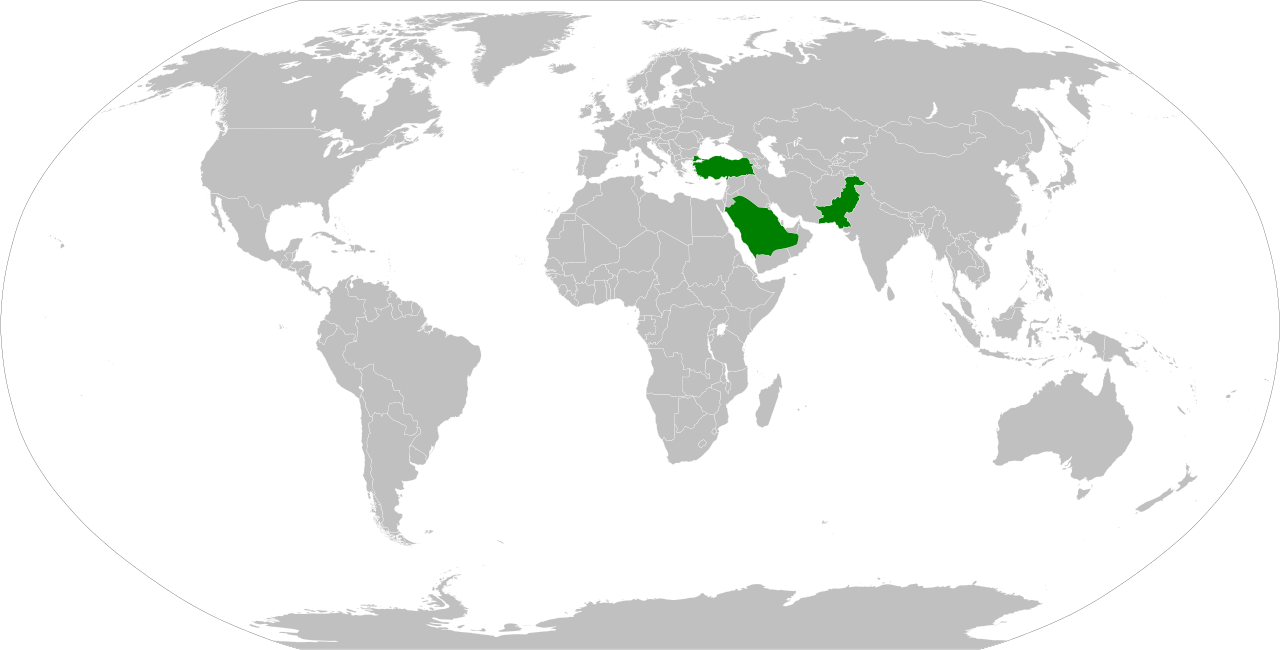
Reporting snapshot · 12 October 2026 (Asia/Karachi). The Saudi-led military coalition has confirmed a second projectile struck King Khalid International Airport in Riyadh in 24 hours, a day after the deadliest strike on Saudi soil in over a decade. Pakistan's Foreign Minister Ishaq Dar condemned the new attack and reaffirmed Islamabad's commitment under the Makkah Joint Defence Agreement. Casualty figures, weapon identification and Saudi damage assessments were still developing at the time of writing.
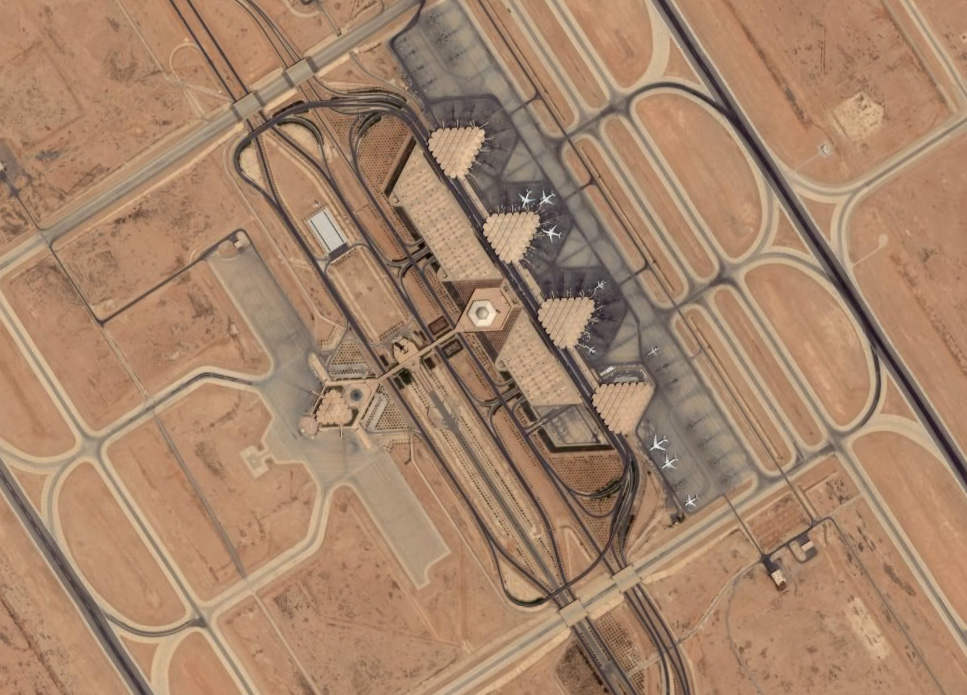
What happened at the airport on Sunday
Saudi Arabia’s General Authority of Civil Aviation (GACA) said an “unknown projectile” struck Passenger Hall No 4 at Riyadh’s King Khalid International Airport on Sunday, 12 October 2026, setting a fire the authority said it was working to contain, the BBC reported. The Saudi-led coalition’s spokesman, Major-General Turki al-Maliki, said air defences intercepted a separate missile nearby.
The strike came a day after the deadliest single attack on Saudi soil since the war between Israel, the United States and Iran began in February: a Saturday strike on the same airport that GACA said killed 13 people and wounded 309, including four Saudis, two Bangladeshis, and one each from the United States, Jordan, Palestine, Syria, Sudan, Egypt and India, per the Indian embassy’s Riyadh statement confirming the Indian fatality. Several Gulf airlines had cancelled flights and the US, UK, Irish and Canadian embassies had advised their nationals to avoid the airport, The Express Tribune reported.
Sunday’s strike followed two earlier attacks on King Khalid on 8 and 9 October that killed three Saudis and damaged a parked commercial aircraft, Al Jazeera reported. Maj Gen al-Maliki called the Saturday strike a “full-fledged war crime” and said the coalition will “respond decisively”, Al Jazeera reported.
Who claimed the new strike
Yemen’s Houthi military spokesman, Brigadier General Yahya Saree, claimed the campaign on Sunday and said the group had used ballistic and cruise missiles and drones against the airport over 24 hours, the BBC reported. Saree said the Houthis had also struck oil facilities and Dammam’s King Fahd International Airport, and warned all Saudi airports were potential targets except those serving Mecca and Medina.
The escalation follows a 2022 ceasefire that collapsed in July. The Houthis seized Red Sea coastline including the port of Mokha near the Bab al-Mandab Strait before a Saudi-backed counter-offensive, the BBC reported. The Iran-backed Houthis now control about a quarter of Yemeni territory and up to 80% of its population, the BBC’s security correspondent Frank Gardner wrote.
Pakistan’s response and the Makkah pact
Pakistan’s Deputy Prime Minister and Foreign Minister Ishaq Dar condemned Sunday’s strike and reiterated Pakistan’s commitment to Saudi Arabia’s defence under the Makkah Joint Defence Agreement, Geo News reported. Dar called the targeting of a civilian airport “a heinous act of terrorism” and said Pakistan was in touch with Saudi authorities, The Express Tribune reported.
The Foreign Office said separately that it was coordinating with Saudi Arabia and Türkiye and reaffirmed the deployment is “defensive in character and consistent with the United Nations Charter” — the same line spokesperson Sajjad Haider Khan set on 9 October, when he said Pakistani forces would not cross into Yemen but would defend Saudi territory under the pact.
Pakistan also raised the Houthi campaign at the UN Security Council on Friday, with Ambassador Asim Iftikhar Ahmad demanding an immediate halt to attacks on Saudi civilian infrastructure and shipping around Taiz and Bab al-Mandeb, the joint Makkah pact statement endorsed in Riyadh on 5 October the framework for that call.
The US, UK and Türkiye on the new strike
US President Donald Trump told reporters on Saturday that Washington would “make a decision” and “move very quickly” on whether to join Saudi strikes on the Houthis, repeating the framing on Sunday, the BBC reported. Secretary of State Marco Rubio has confirmed an American was among those killed in Saturday’s strike. UK Defence Secretary Wes Streeting said on Sunday the UK could “potentially” provide more support, and Foreign Secretary Ed Miliband said he was “appalled”; the UK Foreign Office has advised against all travel within 10 kilometres of the Yemen border. Türkiye, the third Makkah-pact signatory, has not published a new statement since Sunday’s strike.
What is still uncertain
Three sets of facts remained unclear at the time of writing. First, GACA had not published a casualty figure for Sunday’s strike, and Saudi authorities had not confirmed whether the projectile that hit Passenger Hall No 4 was the same weapon the coalition’s air defences intercepted earlier. Second, the Houthis’ claim was published through Brig Gen Yahya Saree’s office; independent verification of the launch, weapons and target is not available. Third, neither the coalition nor the US has set a timetable for the “decisive” response Maj Gen al-Maliki promised.
The Makkah pact treats an armed attack against one member as an attack against all three, but joint statements since 5 October have stopped short of formally invoking the clause. Whether Sunday’s second strike changes that calculus in Riyadh, Islamabad or Ankara is the question the next round of statements will answer.