What happened
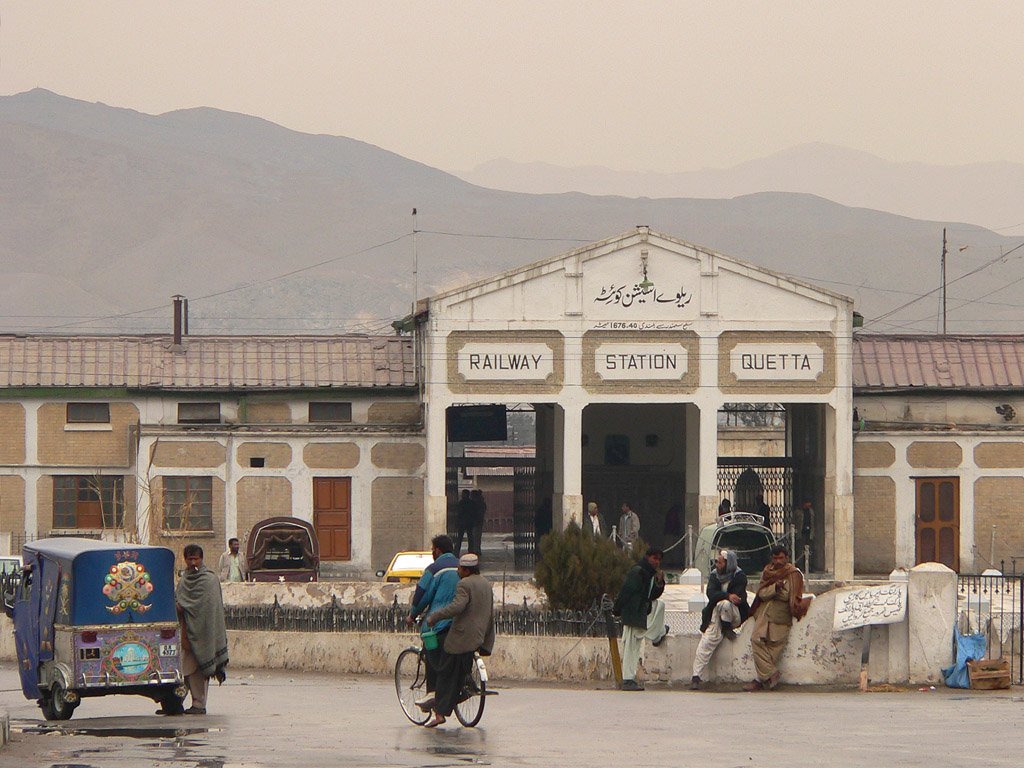
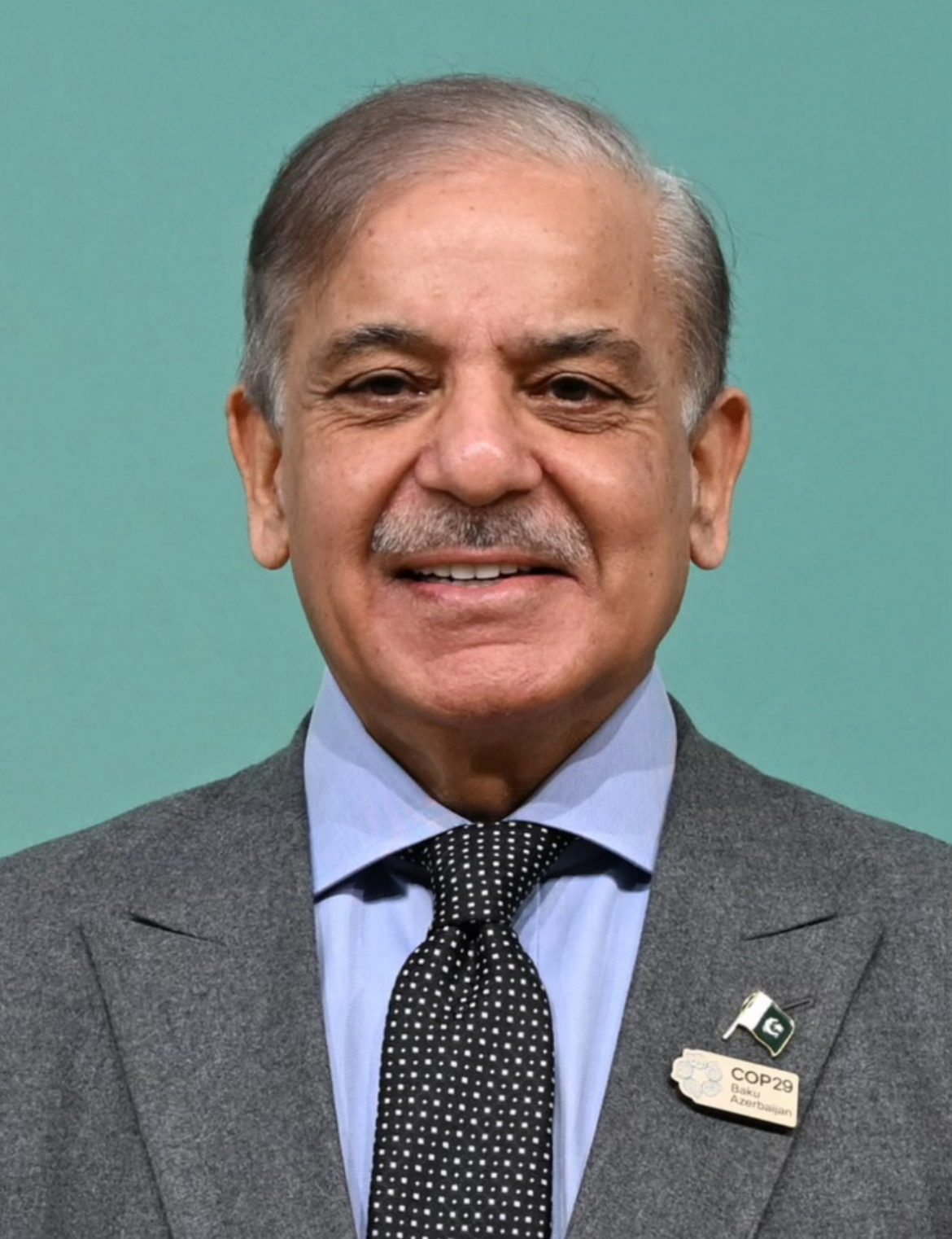
Prime Minister Shehbaz Sharif travelled to Quetta on Thursday 9 July 2026 to lead a meeting of the Balochistan Apex Committee on the National Action Plan, the body that coordinates the country’s counter-terrorism policy, according to a readout of the proceedings.
He was joined by Field Marshal Asim Munir, the army chief and newly designated chief of defence forces, in what the source described as a show of unity between the civilian government and the military establishment.
“One thing is decided: it is a mutual and singular decision of the civil and military leadership that we must end terrorism collectively,” Sharif told the gathering. “This war will continue until the last fasaadi terrorist in Pakistan is eliminated,” he added, using an Urdu word that translates roughly as vicious or disruptive.
The attacks this week
The prime minister’s visit followed three major attacks in the province over four days. Four civilians died in an armed assault in the Hanna Urak valley on the outskirts of Quetta on 5 July; nine police officers were killed when militants attacked a police post in the Ziarat district near Mangi Dam on 6 July; and a convoy of troops was ambushed near Bela, in the Winder area, on Wednesday 8 July, according to the military.
Military officials said the violence killed 42 people, including 27 police officers, 11 security personnel and four civilians. Ten soldiers died in the convoy attack near Bela alone. Separately, the government said 54 militants were killed by security forces during the response and follow-up operations across the province.
In Ziarat, the attackers seized several civilians and police personnel as they withdrew. Five of the abducted civilians later escaped on their own, and security forces rescued a police constable in a subsequent operation, the source said.
Why it matters
The meeting placed the response to the attacks under civil-military coordination at the provincial apex level. Balochistan Chief Minister Sarfraz Bugti had earlier convened a meeting in Ziarat after the police deaths and warned that anyone challenging the authority of the state would meet only “defeat and destruction,” saying operations would continue until the last militant was eliminated.
Addressing the Quetta meeting, Sharif renewed Pakistan’s longstanding allegation that India is fuelling militancy in Balochistan and neighbouring Khyber Pakhtunkhwa, saying there was “no doubt that our eastern neighbour is fully involved in this fitna, in all aspects.” He alleged that India was providing money and weapons to militant groups, and said militants based in Afghanistan were coordinating attacks in both provinces. The allegations are attributed to the prime minister and have not been independently verified here.
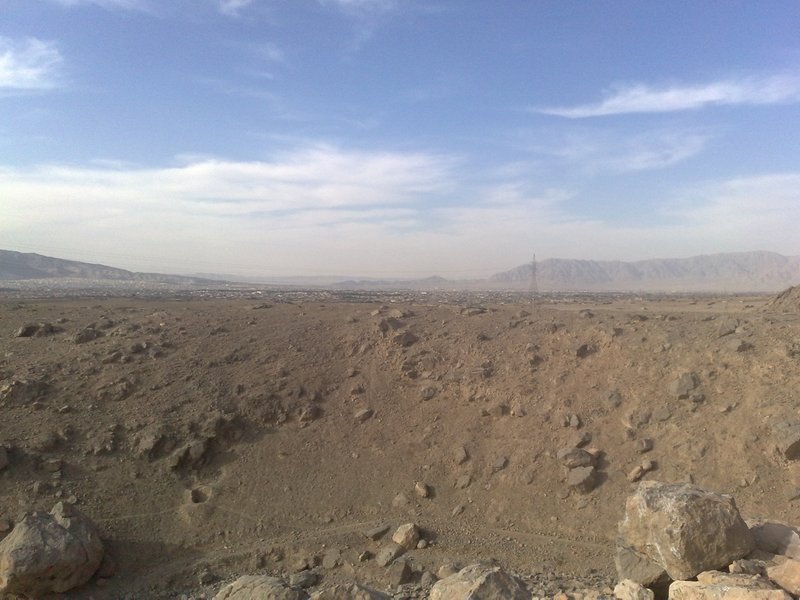
Balochistan, Pakistan’s largest province by area but one of its least populated, has for years seen a separatist insurgency as well as attacks by Islamist militant factions. It is also home to Gwadar, a deep-water port central to Chinese-backed infrastructure investment.
Sources & reporting notes
This is a summary of published reporting, not independent reporting. Details are as carried by the cited sources, which were reviewed on 2026-07-09.
- Independent Pakistan — "Pakistan vows total war on militants after bloody week in Balochistan"9 July 2026 · The Quetta Apex Committee meeting, Prime Minister Shehbaz Sharif's remarks and the toll from the week's attacks.
- Dawn — "Army hunting terrorists behind bloodshed in Balochistan"9 July 2026 · The military's account of the attacks and the number of militants killed.