Reporting snapshot · 24 May 2026. This report reflects statements and reporting published on 24 May 2026 and does not include later developments, including subsequent revisions to the death toll.
What happened
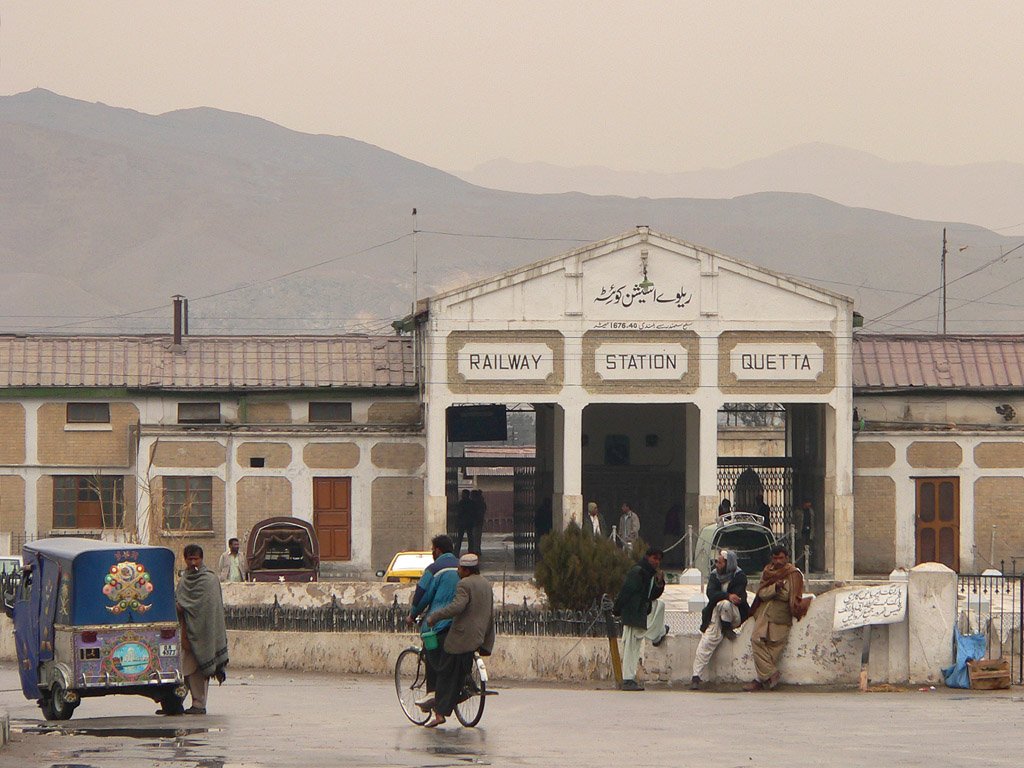
A vehicle-borne suicide bombing struck a shuttle train near Chaman Phatak in Quetta, the capital of Balochistan, on the morning of Sunday 24 May, derailing the engine and several coaches and setting carriages and nearby vehicles on fire.
The Balochistan government said in a statement that a shuttle train service near Chaman Phatak had been targeted, and that the attack killed at least 14 people and wounded 20 others, among them women and children, Dawn reported. It said three Frontier Corps personnel were among the dead. State-run APP, citing railway authorities, reported that the train was heading from Quetta Cantonment to Quetta railway station shortly after 8am when it was hit.
Reuters and the Associated Press later reported higher casualty figures, with at least 23 to 24 killed and about 70 injured, citing officials. Authorities had not issued a final confirmed toll by the end of the day, and officials warned that the number could rise because several of the injured were in critical condition.
The blast derailed the locomotive and three coaches, and two coaches overturned, according to APP. Images from the scene showed a mangled carriage lying on its side while rescuers and residents climbed over the wreckage, and around a dozen cars were burned out. The provincial government said one family lost four members — a father, mother, son and daughter.
Why it matters
The outlawed Baloch Liberation Army claimed responsibility in a statement sent to reporters, saying its Majeed Brigade carried out the suicide bombing and that it had targeted a train carrying security personnel. Officials said the shuttle had been carrying security personnel and their families, who were travelling home ahead of Eidul Azha.
Pakistan Railways said rescue trucks and a relief train were dispatched to the site. All major public hospitals in Quetta enforced emergency protocols, the provincial government said, and a control room was set up at the deputy commissioner’s office to coordinate relief, according to UrduPoint (APP). Police, the Counter-Terrorism Department and the bomb disposal squad reached the site to collect evidence. Section 144, restricting public gatherings, had already been in force in the city.
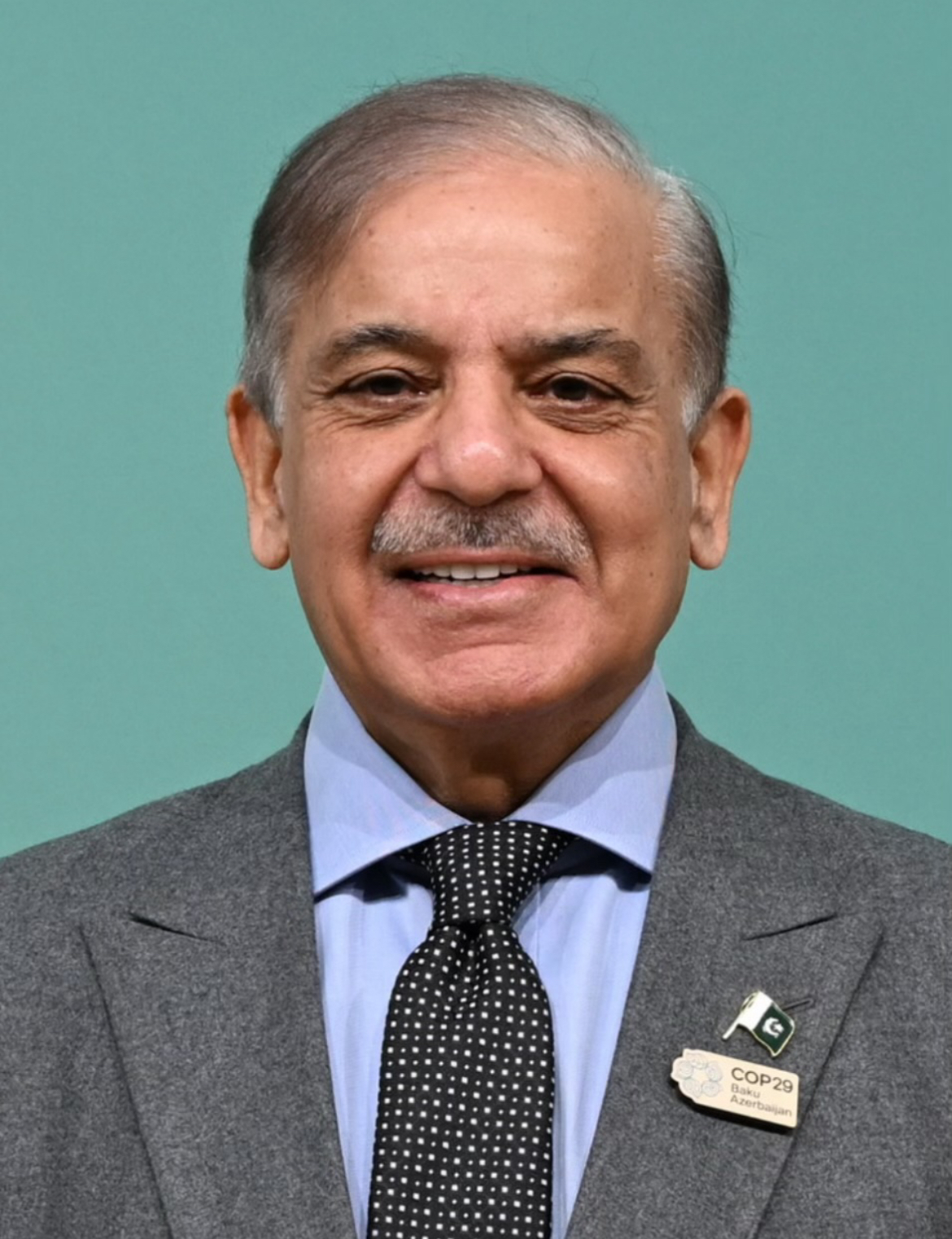
Prime Minister Shehbaz Sharif condemned what he called a “heinous act of terrorism”, and President Asif Ali Zardari said the country would defeat militants and their facilitators. Balochistan Chief Minister Sarfraz Bugti said the attackers had targeted innocent civilians, including women and children, and vowed to pursue them. Deputy Prime Minister and Foreign Minister Ishaq Dar and Railways Minister Hanif Abbasi also condemned the attack.
The bombing came a day after Pakistan said the United States and Iran were close to reaching a memorandum of understanding to end the war in the Middle East. Zardari said the militants and their backers sought to undermine Pakistan’s role in regional and international peace efforts. The attack came days after Prime Minister Shehbaz Sharif and Field Marshal Asim Munir visited Quetta and ordered a dedicated security corridor for Balochistan’s mineral belt, and ten days after an attack on a mineral convoy near Noshki.
What remains uncertain
Officials had not released a final forensic assessment or a reconciled death toll. The provincial government’s initial figure of 14 dead was lower than the figures later quoted by international news agencies, and it was not immediately clear how the count would be revised. No group other than the BLA had claimed responsibility.