.jpg)
What Pakistan offered
Pakistan moved to position itself as a diplomatic bridge in the US-Iran war on Monday 23 March 2026, offering to host talks between senior American and Iranian figures as regional powers intensified efforts to halt the conflict, according to officials cited by the Financial Times and reported by WE News English.
Officials familiar with the discussions said Islamabad had proposed hosting the talks, possibly as early as that week. The initiative rested on Pakistan’s ties with Tehran and a working relationship with US President Donald Trump. Pakistan’s Chief of Army Staff and Chief of Defence Forces, Field Marshal Syed Asim Munir, was reported to have spoken with Trump on Sunday 22 March, a day before the prime minister’s diplomatic push.
The Shehbaz-Pezeshkian call
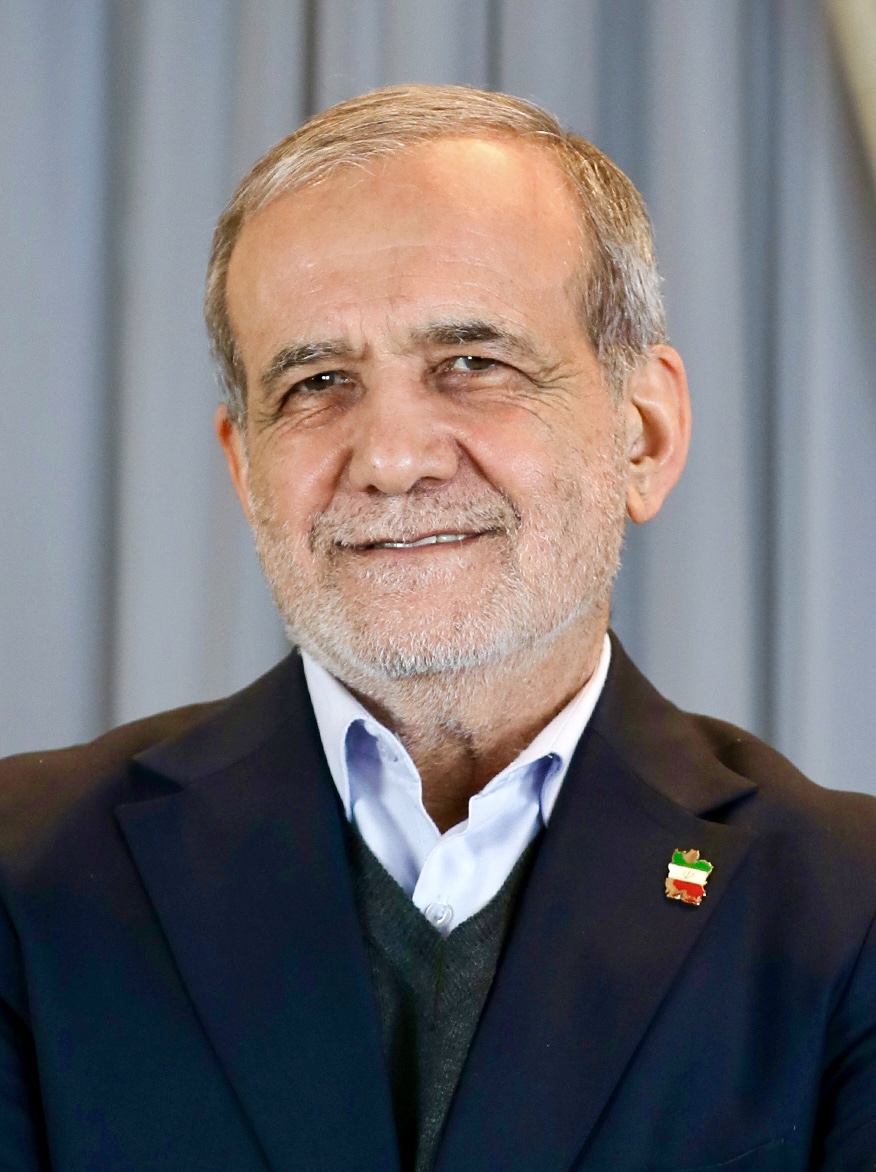
Prime Minister Shehbaz Sharif spoke with Iranian President Masoud Pezeshkian on 23 March, conveying “serious concern” over the “dangerous ongoing hostilities in the Gulf region” and underscoring “the urgent need to work collectively for de-escalation and a return to dialogue and diplomacy amongst all the neighbouring countries to settle their differences,” according to a statement from his office reported by Independent Pakistan.
Sharif stressed “the critical importance of unity in the ranks of the ummah” and assured Pezeshkian that Pakistan would continue to play a “constructive role” in facilitating peace. As a “neighbouring brotherly country”, he conveyed Pakistan’s solidarity with “the brave Iranian people”, offered condolences for lives lost and prayed for the recovery of the injured and displaced. The two leaders also exchanged Eidul Fitr and Nowruz greetings, the statement said.
The call came on the same day that Trump announced he had ordered a five-day postponement of US strikes on Iranian power plants and energy infrastructure, citing “very good and productive” conversations aimed at ending the war. Oil prices briefly fell before settling around $101.80 a barrel, Independent Pakistan reported. Iran has denied holding direct negotiations with the United States.
A wider diplomatic push
The outreach coincided with parallel efforts by other regional states. Turkiye remained in contact with Iranian officials and with US envoy Steve Witkoff, while Deputy Prime Minister and Foreign Minister Ishaq Dar held talks with Turkish counterpart Hakan Fidan. Egypt and Qatar also joined the diplomatic push, WE News English reported. Analysts cited by the outlet cautioned that the mediation efforts remained at an early and fragile stage.
Why it matters
Pakistan’s offer came as the war, which began on 28 February with coordinated US and Israeli strikes on Iran that included the killing of Supreme Leader Ayatollah Ali Khamenei, entered its fourth week. More than 2,000 people had been killed, according to regional tallies cited by Independent Pakistan, and the fighting had upended global markets, driven up fuel costs and strained the Gulf energy supply routes on which Pakistan depends. Pakistan’s role as a possible venue rested on its stated neutrality in the conflict while it maintained relations across rival blocs.
What remains uncertain
Officials and analysts said any breakthrough remained uncertain, and Pakistan had not disclosed the format, venue or participants of the proposed talks. Tehran’s denial of direct negotiations left open whether it would engage with Washington through Islamabad. The pause on US strikes was described as temporary, and no date for talks had been confirmed.
Sources & reporting notes
This article is a synthesis of published reporting from 23 March 2026, not eyewitness reconstruction. Sources were reviewed on 23 March 2026.
- WE News English — Pakistan steps in as mediator in US-Iran war as diplomatic push gains momentum23 March 2026 · Reports Pakistan's offer to host US-Iran talks, Field Marshal Munir's reported call with Trump, the role of Turkiye, Egypt and Qatar, and Iran's denial of direct negotiations.
- Independent Pakistan — PM Sharif urges Iran and Gulf neighbours to return to dialogue as US postpones strikes on Iranian power plants23 March 2026 · Carries the PMO statement on the Shehbaz-Pezeshkian call, Trump's five-day strike postponement, the oil price reaction and the war's casualty toll.