Reporting snapshot · 9 November 2026 (Asia/Karachi). The result is confirmed by the official match record. Pakistan's semifinal opponent had not been settled when this snapshot was published, and individual figures may be revised if the tournament record changes.
What happened
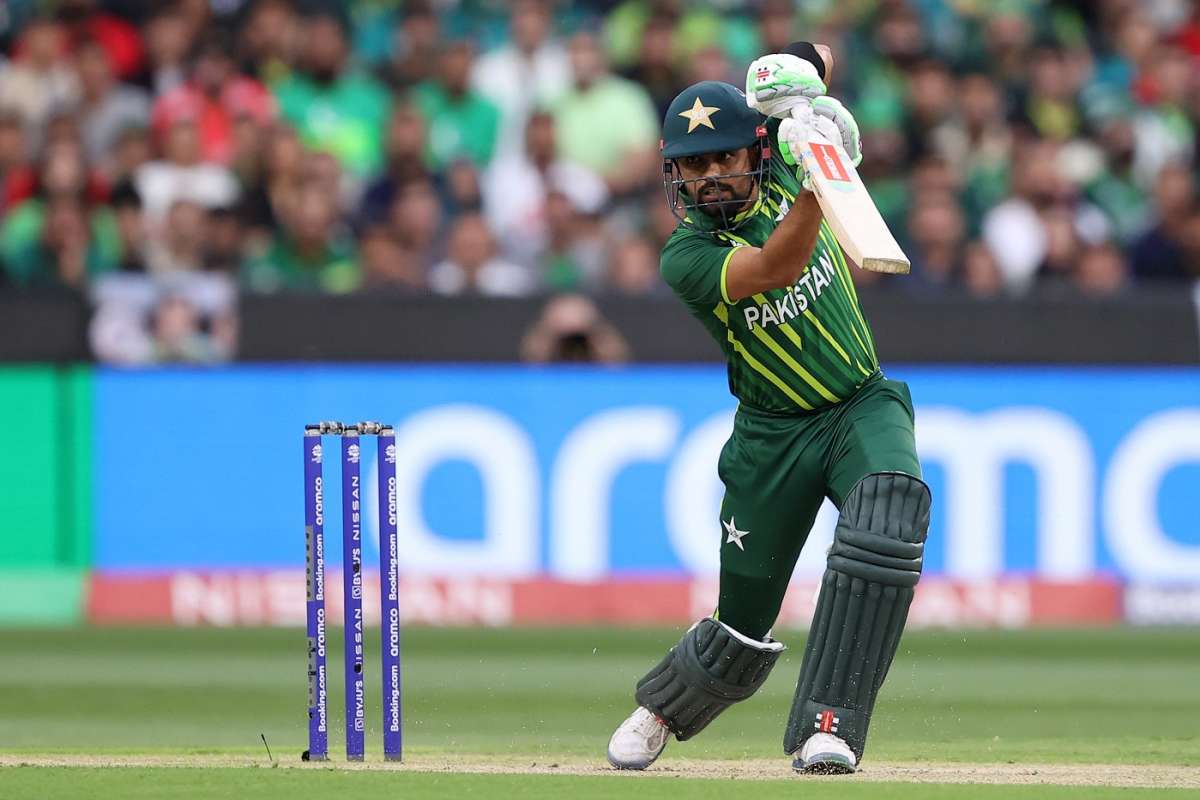
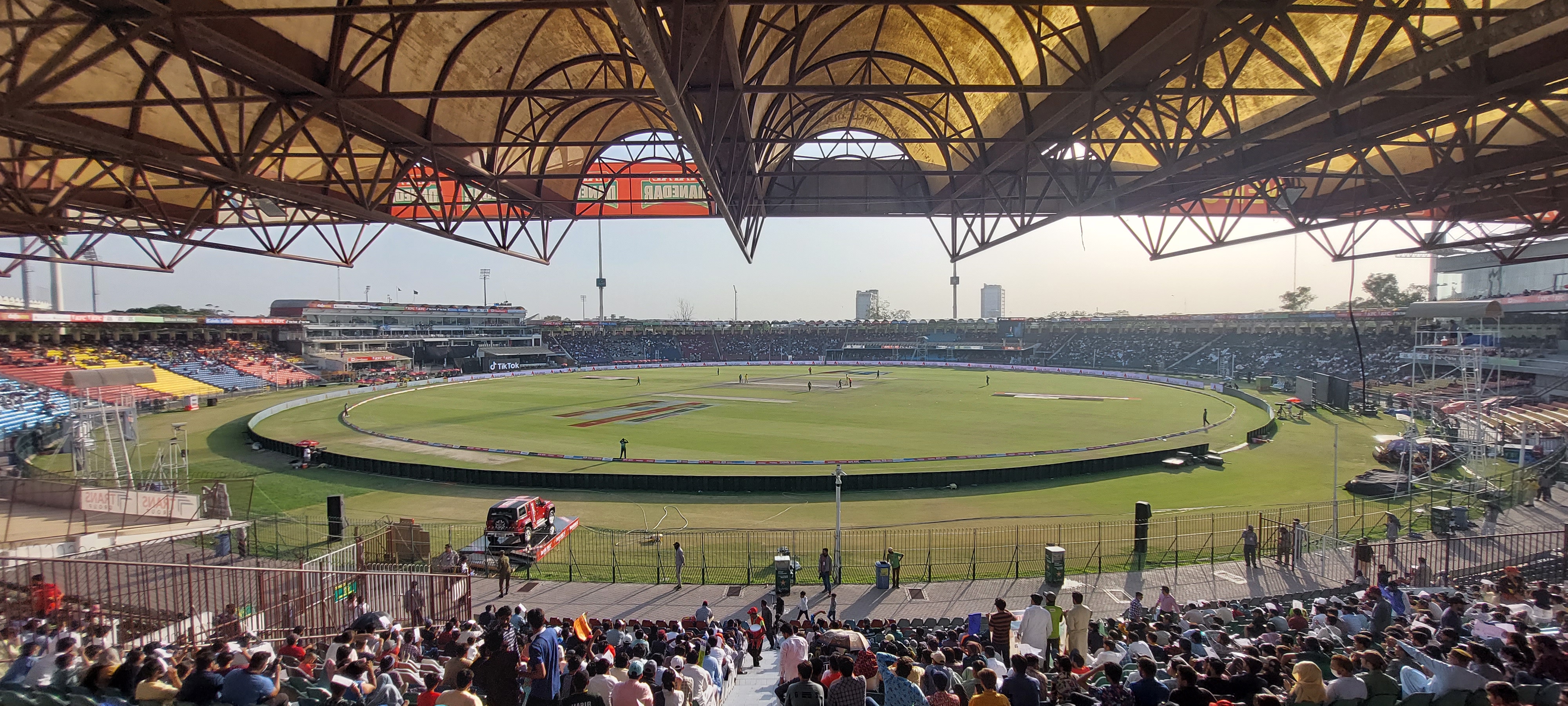
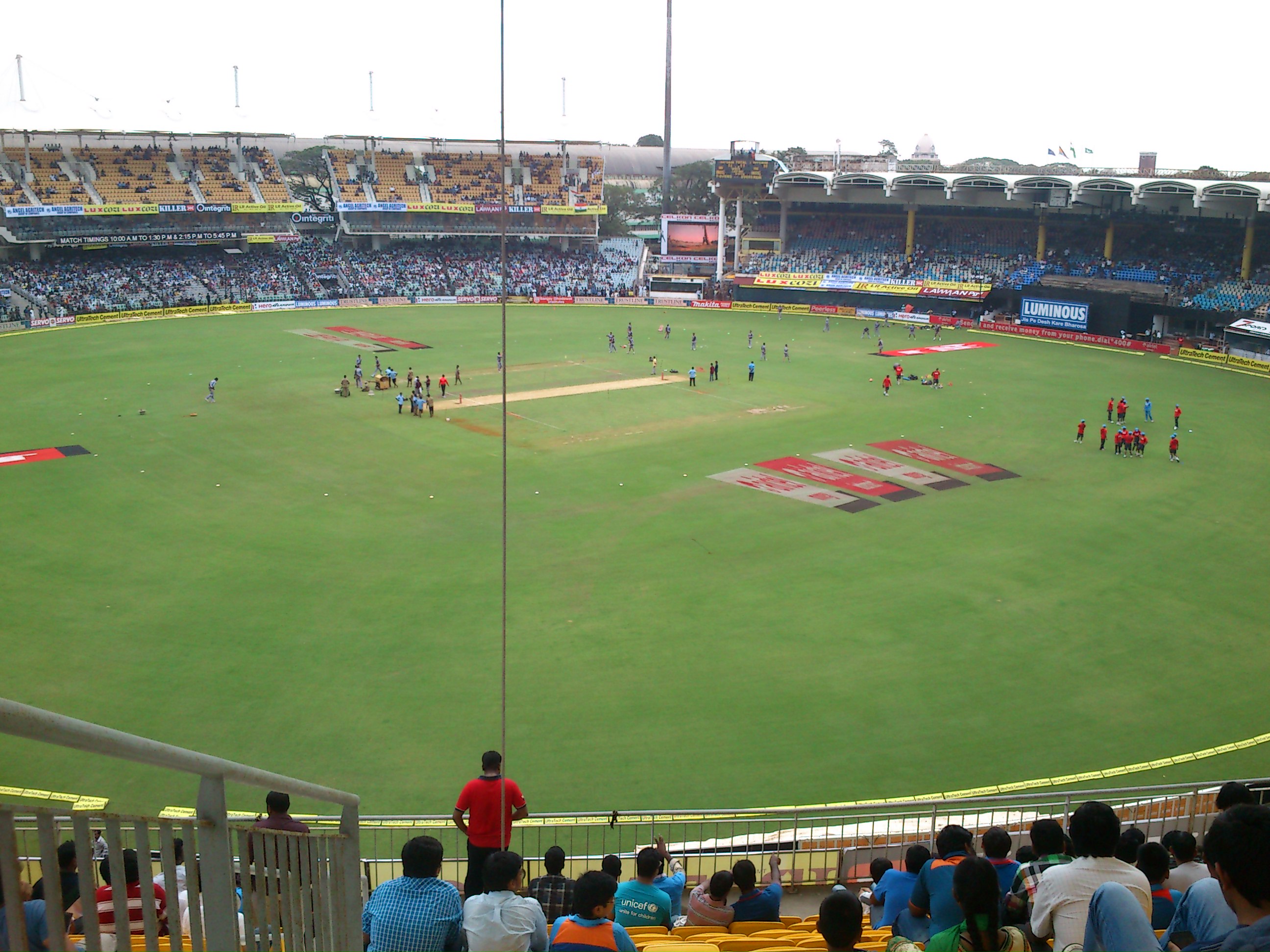
Pakistan’s Under-19 team beat India by three wickets in the ACC Men’s Under-19 Asia Cup at the Al Amerat Cricket Ground in Oman on Sunday, 8 November, chasing 209 with 11 balls to spare after recovering from 61 for five. The official match record shows Pakistan finishing on 209 for seven in 48.1 overs after India, who won the toss and chose to bat, were bowled out for 208 in 46.3 overs.
India’s innings was built around Arjun Rajput, whose 107 from 85 balls held the side together after a top-order collapse. Rajput struck 11 fours and five sixes, but no other India batter passed 23. Geo News reported that India lost captain Lakshya Raichandani to the second ball of the match, bowled by Ali Raza for a duck, and slipped to 22 for three before Niqab Shafiq removed Aaryavir Sehwag and Anvay Dravid to leave the side 70 for four. Rajput and Manal Chauhan then added 64 for the fifth wicket, but Rizwanullah broke the stand and finished with three wickets for 24 runs in seven overs. Ali Raza took three for 37 and Niqab Shafiq claimed three wickets.
Pakistan’s reply ran into immediate trouble. Jahangir Bilal fell in the third over, Usman Khan made 16 and Abdul Qadir 20, and when Ahmed Hussain was dismissed for eight, Pakistan were 61 for five. The News reported that Hamza Zahoor and Hasnain Abbas Dar then put on 107 for the sixth wicket, with Dar making 38 from 67 balls before Manal Chauhan dismissed him at 168 for six. Mohammad Sayyam fell for four, but Zahoor stayed to the end, finishing unbeaten on 100 from 108 deliveries with 10 fours and three sixes. The Pakistan Cricket Board noted that Pakistan are the defending champions, and the official match record named Zahoor player of the match.
How the chase turned
The decisive passage was the sixth-wicket partnership, which began with Pakistan still needing 148 and carried them to 168 for six before the lower order finished the job. Zahoor and Dar did not simply block: Zahoor scored at a strike rate of 92.59, and 58 of his 100 runs came in boundaries. Dar’s 38 was the more restrained innings, but it consumed 67 balls and allowed Zahoor to play around him rather than chase the game alone.
The match also showed the limits of India’s total. Rajput’s century was the only innings of substance, and India lost their last three wickets for 38 runs after he was dismissed at 170 for seven. Manal Chauhan was the pick of India’s bowlers with three for 32, while Mohit Ulva took two for 45, but Pakistan’s lower order held its nerve once the partnership was established.
Pakistan’s second successive win in Group A confirmed their place in the semifinals, The Express Tribune reported. Pakistan are still to face Nepal in the group stage.
Why it matters
For Pakistan, the result keeps a title defence on course and does so after a top-order collapse that could have ended the chase early. The side’s bowling shared the load — three wickets each for Ali Raza, Rizwanullah and Niqab Shafiq — and the middle order found a way through a disciplined Indian attack. That combination is more encouraging than a comfortable win would have been, because it shows the team can recover when the first plan fails.
The victory also carries weight because of the opponent. A win over India in a tournament match is a meaningful marker for a young side, and it came in a game Pakistan could easily have lost. It does not reverse the senior team’s 19-run defeat to India in the Asian Games cricket final in October, but it is a reminder of the depth available below the senior side.
For India, the defeat leaves less room for error in the group and raises questions about a batting line-up that depended heavily on Rajput. India’s total looked short once Pakistan’s middle order settled, and the side will need a more complete batting performance in its remaining matches.
What is still uncertain
Pakistan’s semifinal opponent had not been confirmed when this snapshot was published. Pakistan’s final group fixture against Nepal could still affect the group standings, and the tournament’s official scorecard remains the definitive record if individual figures are revised.
The bigger question for Pakistan is whether the top order can produce a complete innings. Four of the top five fell for low scores against India, and the side cannot rely on a 107-run sixth-wicket stand in every knockout match. The bowling, by contrast, looks settled: Ali Raza, Rizwanullah and Niqab Shafiq all made breakthroughs at important moments.
For India, the main uncertainty is selection and intent. Rajput’s century showed the side can counter-attack from trouble, but the failure of the middle order to support him left the bowlers with too few runs to defend. Whether India change the balance of the side for their remaining matches will be the clearest signal of how they read the defeat.