Reporting snapshot · 9 October 2026 (Asia/Karachi). Pakistan's security forces reported a third consecutive day of counter-militancy operations on 9 October. The casualty figures in this article come from security sources relayed by state media; the military's media wing had not published its own statement by the time of writing, so the details should be read as attributed rather than independently confirmed.
What happened
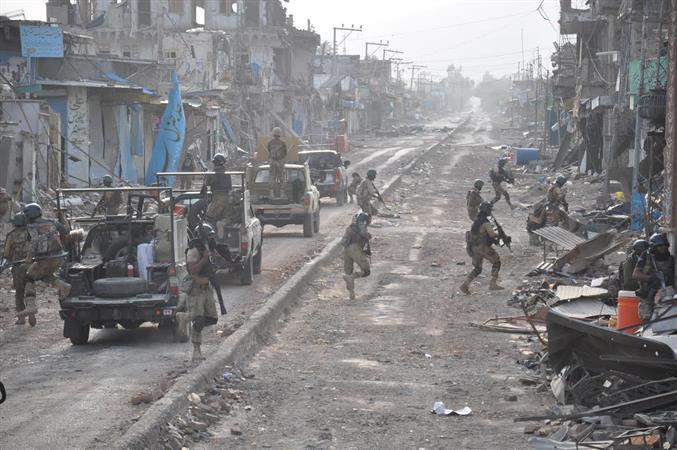
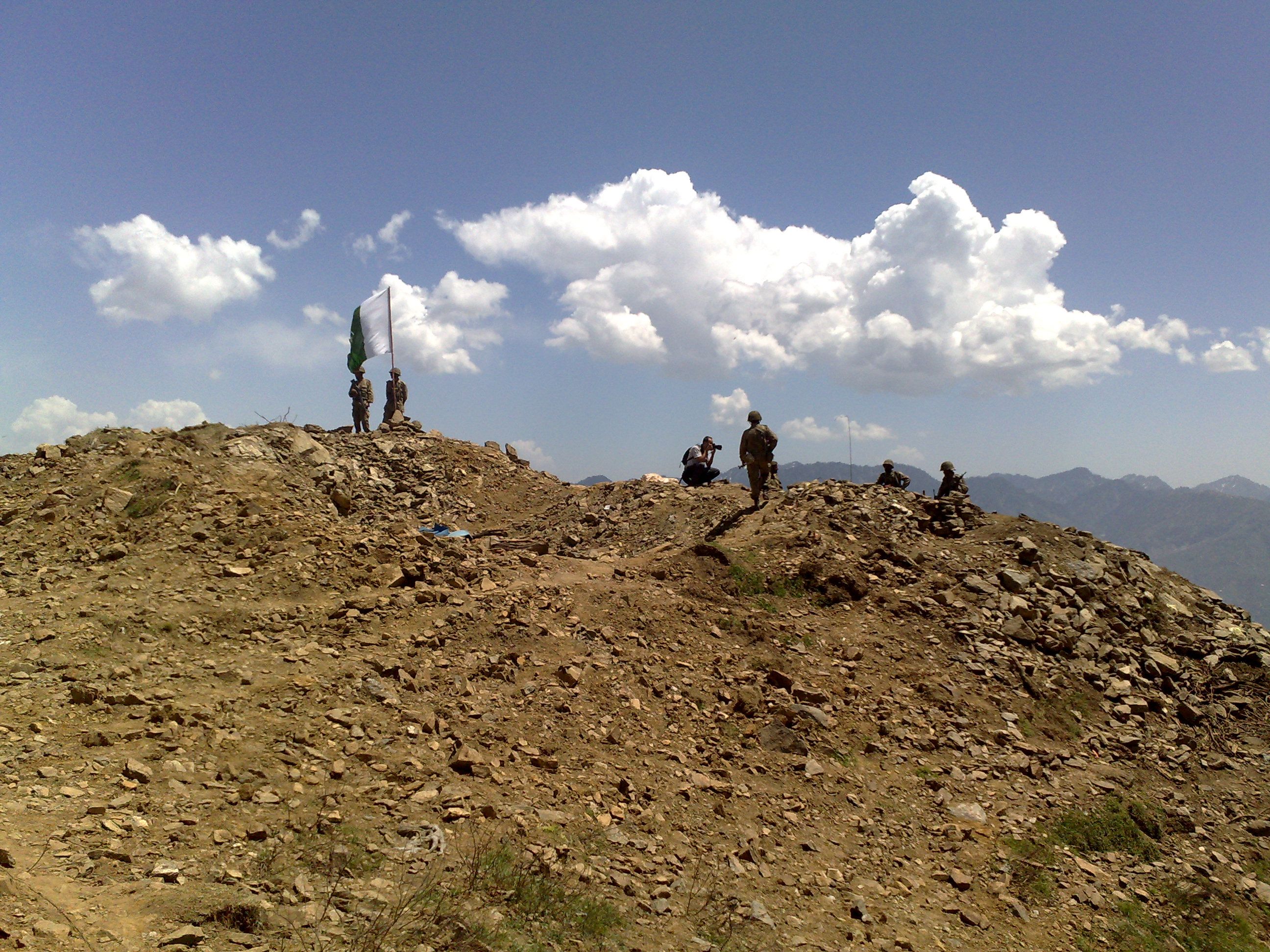
Security forces killed seven members of the banned Tehreek-e-Taliban Pakistan (TTP) during an intelligence-based operation (IBO) in North Waziristan district of Khyber Pakhtunkhwa on Friday, 9 October 2026, state media reported, citing security sources. The state uses the term Fitna al-Khwarij for the TTP. A large quantity of weapons and ammunition was recovered, the sources said, and the operation was described as part of the Azm-e-Istehkam counter-militancy vision.
Prime Minister Shehbaz Sharif, President Asif Ali Zardari and Interior Minister Mohsin Naqvi separately praised the security forces. Zardari said the plans of what he called the terrorists’ foreign sponsors and local facilitators would be defeated, while Naqvi said indiscriminate operations under Azm-e-Istehkam would continue. The statements follow a pattern in which senior civilian leaders commend operations within hours of the military’s announcements.
The 9 October operation came a day after security forces killed nine terrorists in North Waziristan, including four commanders, according to the same state-media sourcing. Those operations were conducted in the Palangzai, Nadeem Kot and Kot Khazri areas of the district. Together, the two days accounted for at least 16 fighters killed in a single district of the former tribal belt.
Three days of operations across two provinces
The tempo extended beyond North Waziristan. On Wednesday, 7 October, security forces reported killing 18 terrorists in separate operations in Khyber Pakhtunkhwa and Balochistan, according to state-media accounts relayed by The Express Tribune: 13 described as Fitna al-Khwarij in North Waziristan and five described as Fitna al-Hindustan, the state’s label for Baloch separatist groups, in Mastung, Balochistan.
The operations are the most visible state response to a sustained rise in militant violence. The Pakistan Institute for Conflict and Security Studies (PICSS), an Islamabad-based research organisation that tracks anti-state violence, recorded 225 militant attacks nationwide in September 2026, compared with 199 in August — an increase of about 13 per cent and the third consecutive monthly rise. PICSS described September as the highest monthly total in 12 years.
That monthly record is set against a string of high-casualty incidents in recent weeks. On 19 September, a bombing and assault on the police lines in Kohat killed 23 people, including 15 police officers; a group calling itself Ittihadul Mujahideen Pakistan, led by the Afghanistan-based commander Hafiz Gul Bahadur, claimed responsibility. Last week, a blast at a joint checkpoint near Aman Mela in Dera Ismail Khan killed 12 people and wounded 35, a claim the TTP made. The 9 October operations were not linked by officials to any single one of those attacks.
Why the district keeps recurring
North Waziristan remains central to Pakistan’s counter-militancy campaign because of geography and history. The district borders Afghanistan’s Khost and Paktia provinces, and Pakistani officials have long said militant factions use Afghan territory for shelter and cross-border movement — a charge the Afghan Taliban authorities reject. Mir Ali and Miranshah, both in North Waziristan, were the focus of the army’s Operation Zarb-e-Azb in 2014 and 2015, which displaced hundreds of thousands of residents. KhabarWire has reported on earlier operations in the district and on the pattern of KP and Balochistan clearance operations.
The recurrence also reflects the state’s reliance on intelligence-based operations, which target specific suspected hideouts rather than holding territory. That model can produce frequent kill announcements without changing the underlying security picture, as the monthly PICSS numbers suggest. The military does not routinely publish district-level attack data, so the public record of the operational tempo rests mainly on state-media announcements and independent tallies such as PICSS’s.
The wider diplomacy
The operations are unfolding against stalled diplomacy with Kabul. Pakistan and the Afghan Taliban authorities have held several rounds of talks, including in Urumqi and Moscow, without resolving the dispute over militant groups operating from Afghan soil. KhabarWire reported that a Moscow Format meeting in October ended without a joint statement — an unusual public sign of the gap between the two sides.
For Pakistan’s civilian government, the security numbers carry political weight as well. Rising attacks in Khyber Pakhtunkhwa and Balochistan feed the debate over provincial governance and over the federal government’s relationship with the province’s elected leadership, which has been strained through the autumn. The security file is also central to Pakistan’s external relationships: the army’s campaign against groups it labels Indian proxies runs in parallel with its mediation role in the wider regional conflict.
What is still uncertain
Several things remain unverified. The 7 October figure of 18 killed, the 8 October figure of nine and the 9 October figure of seven all rest on security sources relayed by state media; the Inter-Services Public Relations had not issued a detailed statement on the latest operation at the time of writing, and no independent monitoring group has confirmed the individual casualty claims. Pakistan’s forces have reported no casualties of their own in the 9 October operation, and no identities, affiliation details or exact locations beyond the district and area names have been published.
The bigger uncertainty is trend rather than incident. PICSS has documented three consecutive months of rising attacks, and the 12-year-high September total is the most concrete available measure of the direction of travel. Whether the current operation tempo will bend that curve, or whether it reflects a sustained insurgent campaign that outpaces clearance operations, will only be visible in the October and November data. Until then, the numbers should be read as a snapshot of an intensifying conflict, not as evidence that it is being contained.
Sources & reporting notes
This article is a synthesis of published reporting, not eyewitness coverage. The 9 October operation and the political reactions come from state-media reports relayed by The Express Tribune; the two preceding days of operations and the district-level context come from Geo News and The Express Tribune; the monthly attack data come from PICSS, an independent Islamabad-based research organisation. Sources were reviewed on 9 October 2026 (Asia/Karachi). Casualty figures for the operations originate with security sources and state media and have not been independently verified.
- The Express Tribune — Security forces kill seven terrorists in North Waziristan IBO: state mediaPublished 9 October 2026 · Primary report of the 9 October operation, the weapons recovery, the statements by President Zardari and Interior Minister Naqvi, and the preceding operations on 8 and 7 October.
- Geo News — Security forces neutralise seven terrorists in North Waziristan IBO: sourcesPublished 9 October 2026 · Independent report of the 9 October operation, the Palangzai, Nadeem Kot and Kot Khazri areas, the 8 October operation that killed nine including commanders, and the PICSS 12-year-high context.
- Pakistan Institute for Conflict and Security Studies — PICSS Monthly Insight September 2026Published 5 October 2026 · Primary data source: 225 militant attacks in September 2026 against 199 in August, a third consecutive monthly increase and the highest monthly total in 12 years.
- Geo News — Security forces kill nine terrorists in North Waziristan IBO: sourcesPublished 8 October 2026 · Independent report of the 8 October operation, the four commanders killed and the areas involved.