Reporting snapshot · 25 November 2026 (Asia/Karachi). The cabinet took the decision through circulation and the policy document has not been posted on a government page, so the terms below come from the Ministry of Industries and Production's release and from Pakistan's morning papers. The IMF has not published 11 December on its Executive Board calendar, and the government has not said how the change will be applied to the crushing season already under way.
Pakistan’s federal cabinet approved the National Policy for Deregulation of Sugar Sector on Tuesday, 24 November, ending government control of sugarcane prices, sugar production and trade, and clearing a condition the International Monetary Fund had set for the next loan tranche. Dawn reported that the cabinet cleared the policy through circulation, ending export subsidies and removing restrictions on moving sugar between provinces.
The decision closes a gap open since June. Pakistan missed the IMF’s 30 June 2026 deadline for adopting a national sugar policy and has been in breach of the benchmark since; its approval was a precondition for scheduling the board meeting now expected on 11 December, Dawn reported. Dawn’s second report that morning put the money at stake at about $1.21 billion — roughly $1bn under the $7bn Extended Fund Facility and $210m under the $1.4bn Resilience and Sustainability Facility — taking total disbursements under the two arrangements to about $5.7bn. The IMF reached staff-level agreement on the fourth EFF review and the third RSF review on 7 October, and its third-review staff report describes the policy as envisaging the removal of zoning and licensing restrictions and the end of administered cane and sugar pricing.
The three stages the policy rewrites
At the input stage, the government has removed restrictions on planting zones and cane varieties: growers may sell to any buyer and the price of cane is left to market forces, with a negative list of banned varieties, Dawn reported. At the processing stage there is no restriction on establishing new mills or approving capacity, mills choose their production, and provincial price controls end. At the trade stage, imports and exports move to a predictable published mechanism, export subsidies end, and sugar can move between provinces without restriction.
The policy keeps some state levers: the government retains the right to hold buffer sugar stocks, and the safeguards for growers — third-party validation of weighing scales, a sucrose testing framework, interest on late payments of sugarcane dues and the sugarcane cess for research — are written into it, Dawn reported. The Ministry of Industries and Production said all four provincial governments had agreed to implement the policy, the state news agency reported, a consensus that was reached only after months of negotiation.
Why Sindh held the policy up for five months
Three provinces had already consented to the draft and the approval was blocked by Sindh’s objections until the Sindh government cleared the policy on 21 November after securing amendments, Dawn reported, citing official records seen by the paper. The draft was finalised by a ministerial committee led by Power Minister Awais Leghari.
Dawn also reported, citing people familiar with the decision, that Prime Minister Shehbaz Sharif recused himself from the sugar decisions because of his immediate family’s sugar business. The cabinet summary was circulated rather than tabled, the way the government had kept its sugar export quotas quiet: the Economic Coordination Committee cleared 416,000 tonnes for export on 20 November, the third permission in four months, and The Express Tribune reported that the summary was not made part of the regular agenda and was not circulated to the ministries. KhabarWire followed that quota on 21 November.
The season the policy lands in
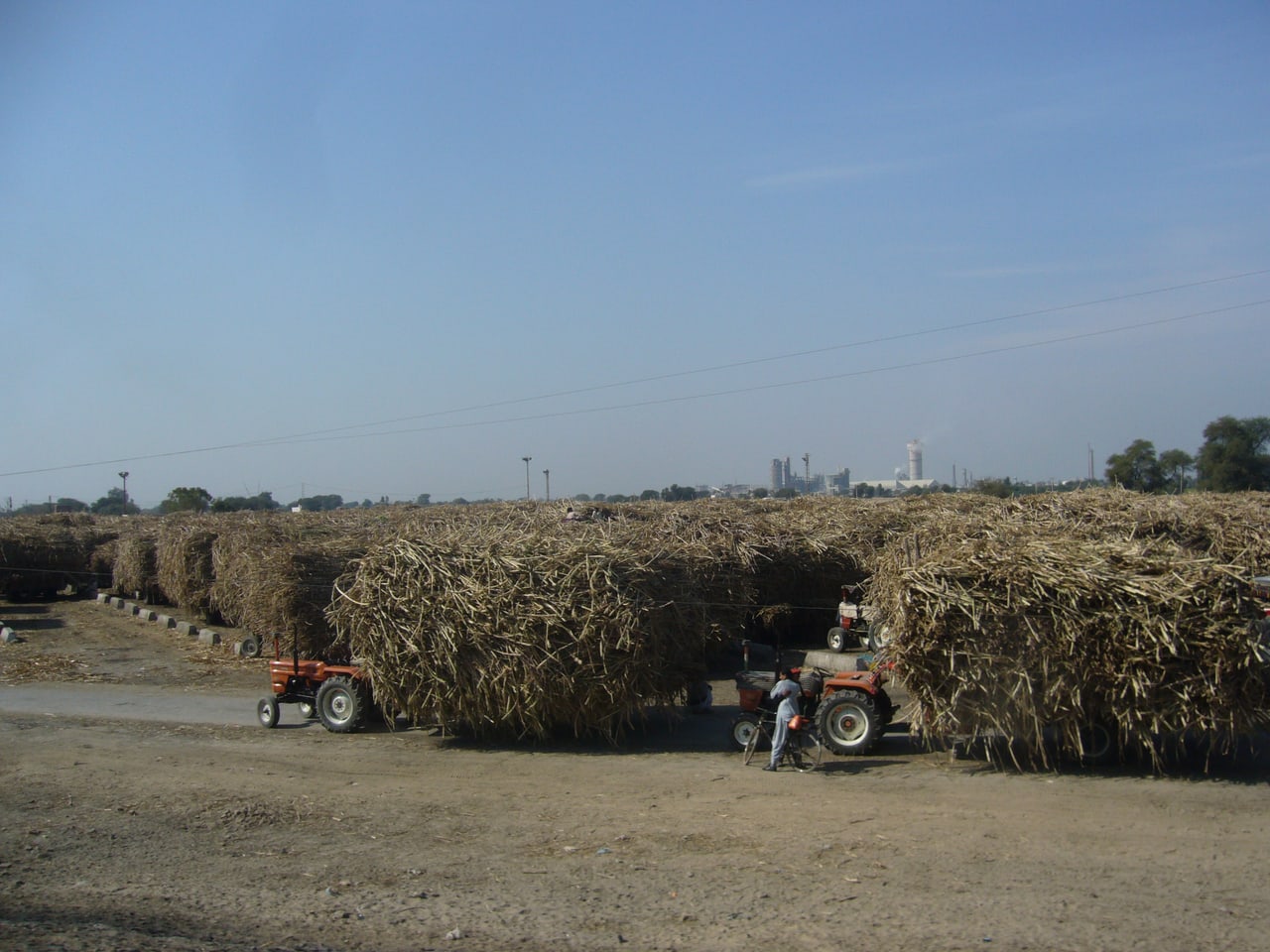
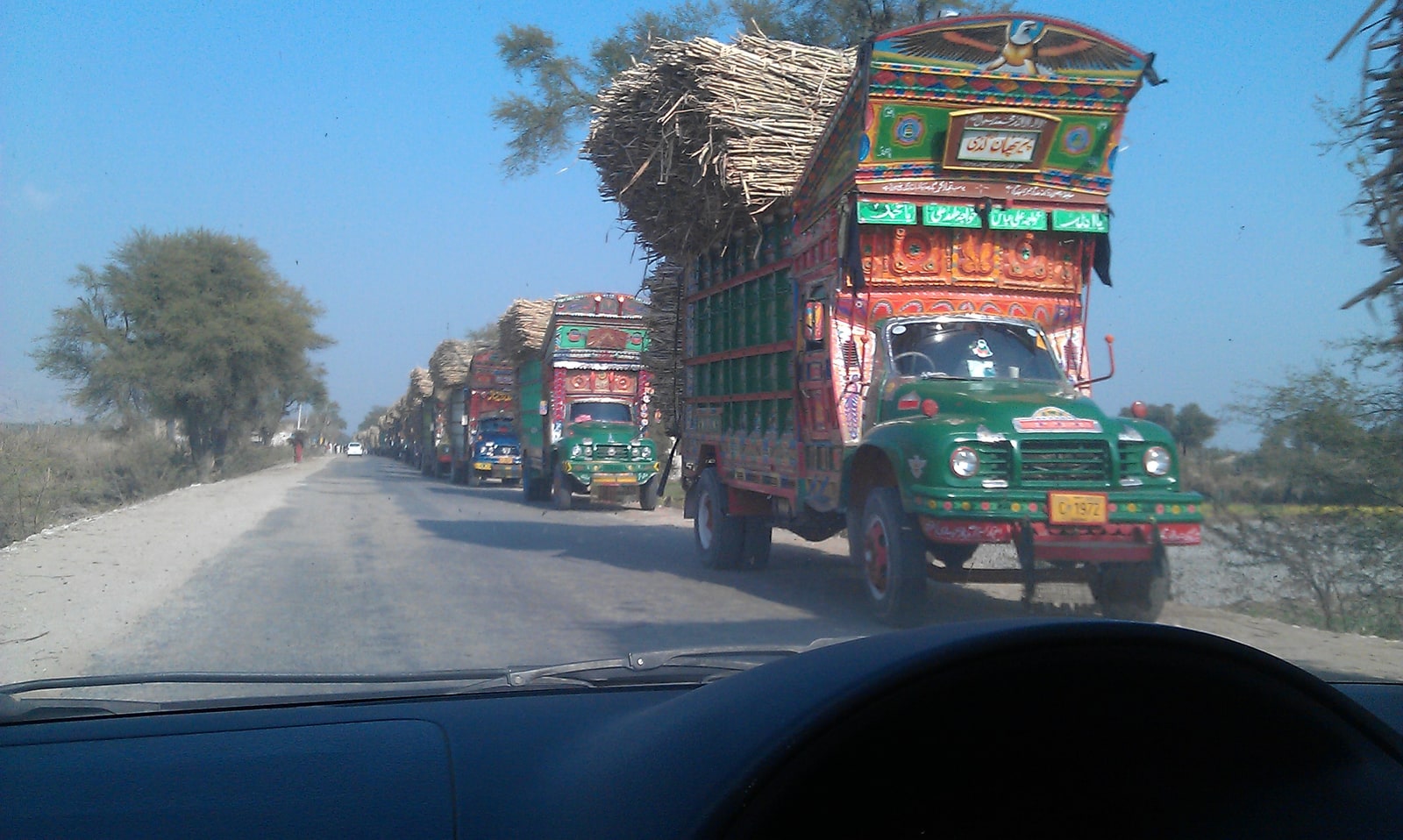
This is not an abstract reform. It arrives while the 2026-27 crushing season is in trouble. No government has notified a cane price this season, the third year in a row: Sindh last fixed one at Rs425 per 40kg in 2023-24, and as of 18 November the Sindh government had still not issued the notification that starts crushing, Dawn reported. In Punjab, only one of the province’s 47 mills had begun regular operations by 18 November, after the Pakistan Sugar Mills Association said its members would not start before December and wanted more export clearance first.
Growers are pressing the opposite way. Pakistan Kissan Ittehad president Khalid Mahmood Khokhar put the fair minimum price for cane at Rs700 a maund and warned on 11 November that farmers would burn their crops without a policy and crushing schedule, Dawn reported. On 24 November the Lahore High Court allowed an early hearing of a year-old petition by Sardar Zafar Hussain, president of Kissan Board Pakistan, asking the Punjab government to fix the price at Rs700 a maund and to order mills to clear last season’s dues, The Express Tribune reported.
The crop makes the dispute expensive. Punjab has 2.45 million acres under sugarcane this year, 16 per cent more than last year, Profit by Pakistan Today reported, and the cane competes with wheat for the same land and the same growers’ cash.
Export subsidies stop, and so does the quota system
The policy lands on top of a run of export permissions rather than replacing them. Those quotas were the visible form of the control now being withdrawn: sugar has remained on the first schedule of the Export Policy Order, which lists goods that cannot be exported without the federal government’s permission, The Express Tribune reported.
The IMF’s condition is the reason the cabinet moved now. The fund’s review documents set the benchmark as the removal of restrictions and licensing at the growing and processing stages, the liberalisation of trade and the cessation of formal and informal price controls along the value chain, and The Express Tribune reported that the IMF’s Governance and Corruption Diagnostic Assessment had used the sugar sector as a case study of state capture. Board approval is not guaranteed: the IMF has not posted the meeting on its public calendar, and its staff, not the cabinet, decides whether the benchmark counts as met. KhabarWire’s IMF and Pakistan hub follows the programme’s review and financing decisions, and its report on the October staff-level agreement sets out what the mission signed off.
What the policy leaves open
The policy text has not been published on a government page, and several operative details are missing: the timetable, the rules for the promised import and export mechanism, the transitional arrangements for the current crushing season, and the list of banned cane varieties meant to be issued before each sowing season. Geo News reported in January that the government had promised to keep a Sugar Advisory Board as a consultative mechanism for growers, and The News International’s account on Tuesday said that removing price controls without genuine competition could expose farmers and consumers to the market power of large mills and traders.
That is not a new worry. Khalid Saeed Wattoo and Waqar Ahmad argued in Dawn on 16 November that the partial deregulation of 2024-25 had freed mills to buy cane without a regulated minimum price while sugar prices and import-export decisions stayed under government control, leaving farmers the biggest losers; growers told them the Rs400 to Rs450 paid per 40kg did not cover their costs.
For households the direction is not obvious. Retail sugar prices have risen on average about 16 per cent a year over the past five years, with peaks approaching 28 per cent, and average consumption works out at about 14.76kg per person a year, or roughly Rs2,302 for a household, according to ministry figures in the policy draft that The Express Tribune reported. Pakistan averages about 6.13 million tonnes of sugar a year across 79 mills and produced 5.8 million tonnes last year, worth roughly Rs1.1 trillion. An end to state control can push prices up as easily as down: mills carry surplus stocks and face international price swings, and growers have no published floor under them.
The first test is already running: provincial law requires mills to begin crushing by 30 November at the latest, Dawn reported, a deadline the mills’ association has said it cannot meet, and the court case seeking a Rs700 price is unresolved. The second is the 11 December board meeting.