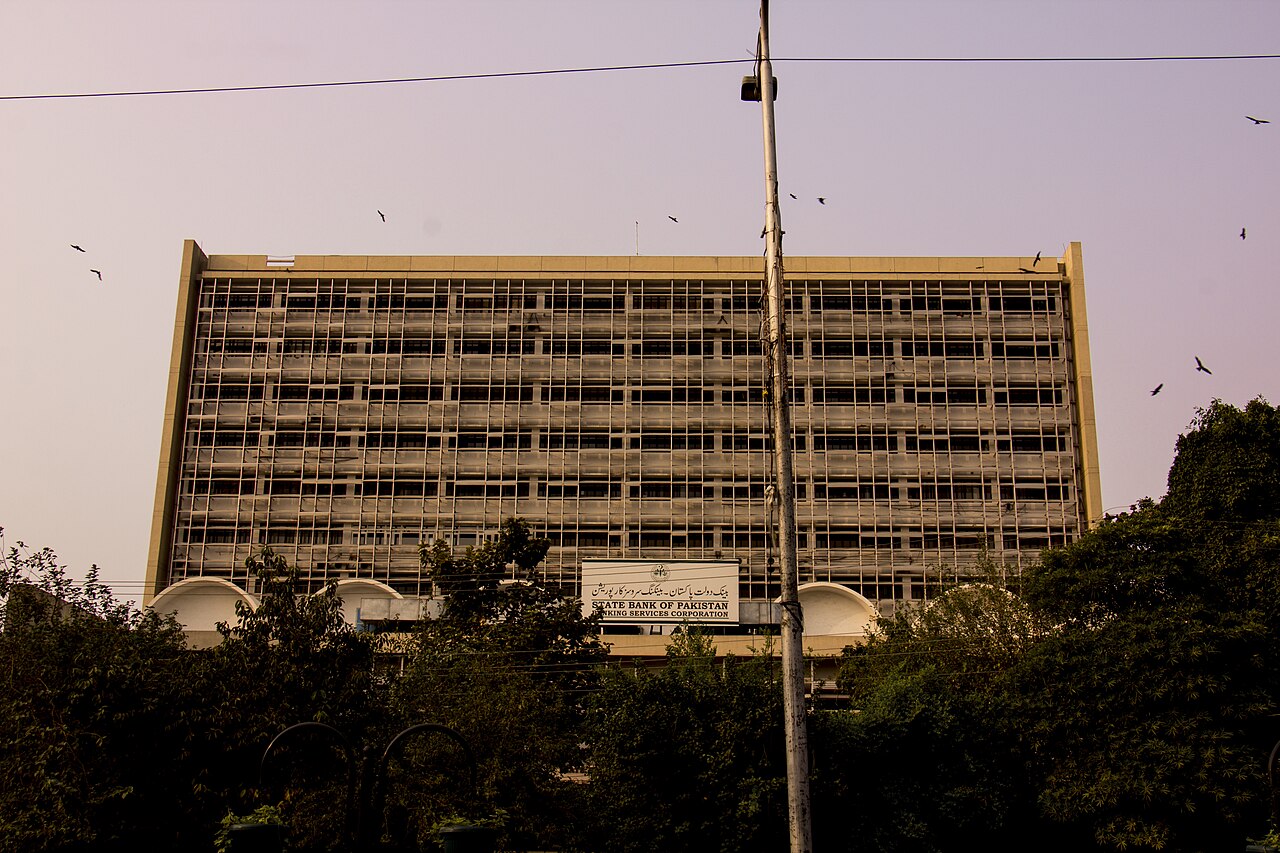
Reporting snapshot · 16 November 2026 (Asia/Karachi). These are the central bank's own forecasts rather than government targets, and they assume the Middle East energy shock that pushed inflation into double digits from April fades and that El Nino does not worsen. The report sets no new policy rate, and its FY27 fiscal-deficit range is the bank's own estimate for the year.
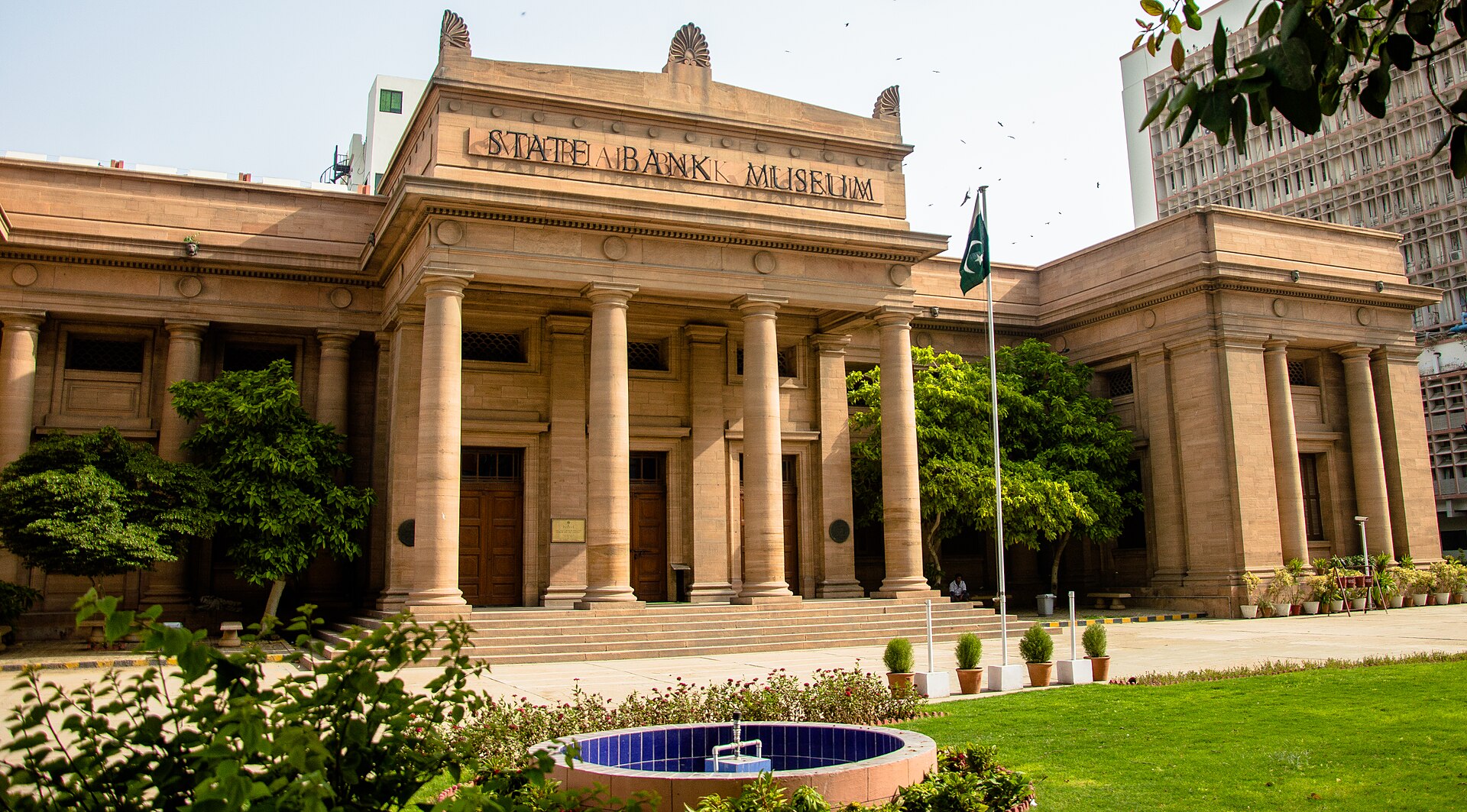
Pakistan’s central bank set out its own view of the economy on Monday, and its numbers for the year ahead are narrower than the government’s budget plan but steadier than the year just gone. The State Bank of Pakistan released its Annual Report on the State of Pakistan’s Economy for FY2025-26 on 16 November, projecting real GDP growth of 3.5 to 4.5 per cent in FY27, consumer price inflation easing gradually towards the 5 to 7 per cent medium-term band and a current account deficit of 0 to 1 per cent of GDP, the bank said in a press release accompanying the full report. Reuters reported the same three projections, and Dawn reported that the bank said Pakistan entered FY27 on relatively stronger footing, with improvements in key indicators contributing to upgrades in the country’s sovereign credit ratings.
The report is an assessment rather than a decision. It changes no policy rate, and the benchmark has stood at 12 per cent since 27 October, when the Monetary Policy Committee raised it by 50 basis points on a nine-to-ten vote to absorb the energy-driven inflation risk; KhabarWire covered that decision. What the document does is set the central bank’s own benchmark for the year, and the caveats that go with it. The bank’s rate decisions and economic data are followed on KhabarWire’s State Bank of Pakistan page.
The year the bank is looking back on
The report’s account of FY26 is of an economy that absorbed several shocks without breaking. Real GDP growth increased, the bank said, with a major impetus from a rebound in large-scale manufacturing that the report says has strong linkages to agriculture and services. The Pakistan Bureau of Statistics, the bank noted in its October monetary policy statement, revised FY26 growth to 3.7 per cent, almost unchanged from the initial estimate, while large-scale manufacturing output grew 1.9 per cent year on year in July-August FY27 against 0.4 per cent in the fourth quarter of FY26.
Imports recovered with the recovery in activity, while exports were held back by unfavourable global trends. Strong growth in workers’ remittances contained the current account deficit to 0.1 per cent of GDP in FY26. On the fiscal side, continued consolidation and a substantial decline in interest payments improved the year’s outcome, and the report says the prudent monetary and fiscal mix kept average national inflation close to the upper limit of the 5 to 7 per cent band even though year-on-year inflation was pushed into double digits from April 2026 by the energy price shock from the Middle East conflict that began in late February.
Foreign exchange reserves were supported by the central bank’s own purchases, a reduction in forward liabilities, sustained official inflows, Eurobond and Panda bond issuance and steady inflows into Roshan Digital Accounts.
What FY27 is projected to look like
The growth range is the one the bank has been using since October, when the monetary policy committee said it expected real GDP growth to remain within 3.5 to 4.5 per cent during FY27. The annual report keeps it there and adds the forecast detail: a gradual recovery in domestic demand and recent fiscal measures are expected to support activity, economic expansion, tariff rationalisation and higher global commodity prices are expected to drive import growth, and exports are expected to recover moderately on policy incentives and a slight rise in global demand.
That export assumption arrives alongside trade data that is already running hot. Pakistan’s goods exports reached a record $11.4 billion in the first four months of FY27, on figures released on 15 November, which KhabarWire examined; the bank’s “moderate” language for the year as a whole is more cautious than those four months, which grew 8.8 per cent in value terms.
The external numbers follow the same pattern of stability. Continued growth in workers’ remittances is expected to keep the current account deficit within 0 to 1 per cent of GDP, and the $3 billion Eurobond issue of September 2026, central bank purchases and projected official inflows are expected to support further reserve accumulation towards four months of import cover. On inflation, the report says the global energy price shock will keep upward pressure on prices, but that inflation is expected to ease gradually towards the 5 to 7 per cent band during FY27.
One figure in the coverage has no place in the bank’s own summary. Reuters reported that the report projects a fiscal deficit of 3.0 to 4.0 per cent of GDP for FY27, and Dawn gave the same range. The government’s own macroeconomic framework, approved by the Annual Plan Coordination Committee on 1 June, targets 4 per cent growth and 8.2 per cent inflation for the year, which KhabarWire reported at the time; the central bank’s growth range straddles that target while its inflation path is markedly lower.
The chapter on jobs
The report devotes a full chapter to what it calls the structural challenges to job creation in Pakistan, and it is the least comfortable part of the document. Weak and volatile growth, a slow pace of structural transformation and signs of premature deindustrialisation are identified as the main obstacles, and the report says these are compounded by low female labour force participation, high youth unemployment and sizeable informal employment. It also flags Industry 4.0, the green transition and geoeconomic fragmentation as pressures that will complicate the problem.
The remedies it lists are unglamorous: encourage private investment by addressing infrastructure gaps, support technology and skills development, rationalise taxes and simplify tax administration, and cut economic policy uncertainty by moving to rules-based frameworks for fiscal and regulatory decisions. It calls for early preparedness against more frequent climate shocks, particularly for agriculture, and for integrating next-generation solar into the country’s environmental strategy.
What could still move the numbers
Two risks carry the most weight, and the bank names both. The first is El Nino. Worsening conditions threaten the agricultural outlook, the report says, although preliminary information points to higher output of key kharif crops including sugarcane, rice and maize than last year. The second is the energy price shock, which the October statement described as tied to the intensification of the Middle East conflict and the low prospect of a near-term resolution. If either deteriorates, the inflation path towards 5 to 7 per cent is the first projection to move, and with it the interest rate that carries it.
The report also rests on the fiscal measures it says will support domestic demand this year. It is a forecast from the institution that also runs the currency and manages the reserves, not an independent assessment, and the figures will be tested first by the monthly inflation data and the trade numbers, then by the federal budget and the annual review of the IMF programme.