What happened
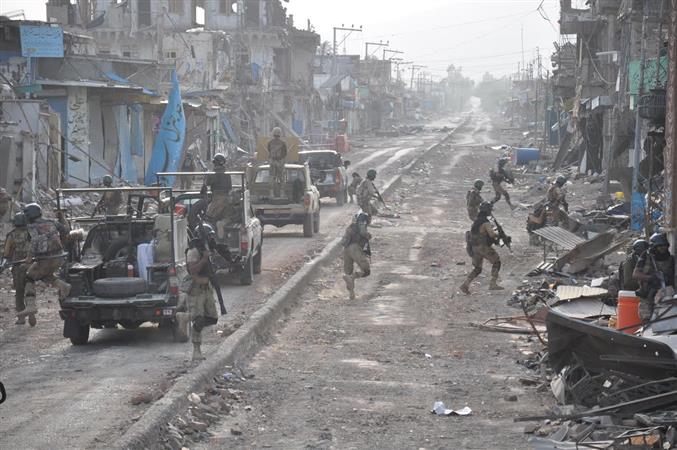
The military said on Wednesday 25 February 2026 that security forces had killed 34 militants in a series of operations in Khyber Pakhtunkhwa and Balochistan, as a separate ambush in Bajaur district killed four police officers. Inter-Services Public Relations (ISPR), the military’s media wing, said the operations were carried out over several days against groups it described as Indian proxies, using the state-designated names Fitna Al Khwarij and Fitna Al Hindustan.
According to the ISPR statement, 26 militants belonging to Fitna Al Khwarij were killed on 24 February in four separate engagements in Khyber Pakhtunkhwa. One was killed in North Waziristan after troops detected a group trying to infiltrate across the Pakistan-Afghanistan border; three were killed in an intelligence-based operation in Lakki Marwat; 10 were killed in Narmi Khel in Bannu district; and 12 were killed in Mir Ali in North Waziristan. Separately, the military said, eight militants belonging to Fitna Al Hindustan were killed in an intelligence-based operation in Sambaza, in Balochistan’s Zhob district. Weapons and ammunition were recovered, it said.
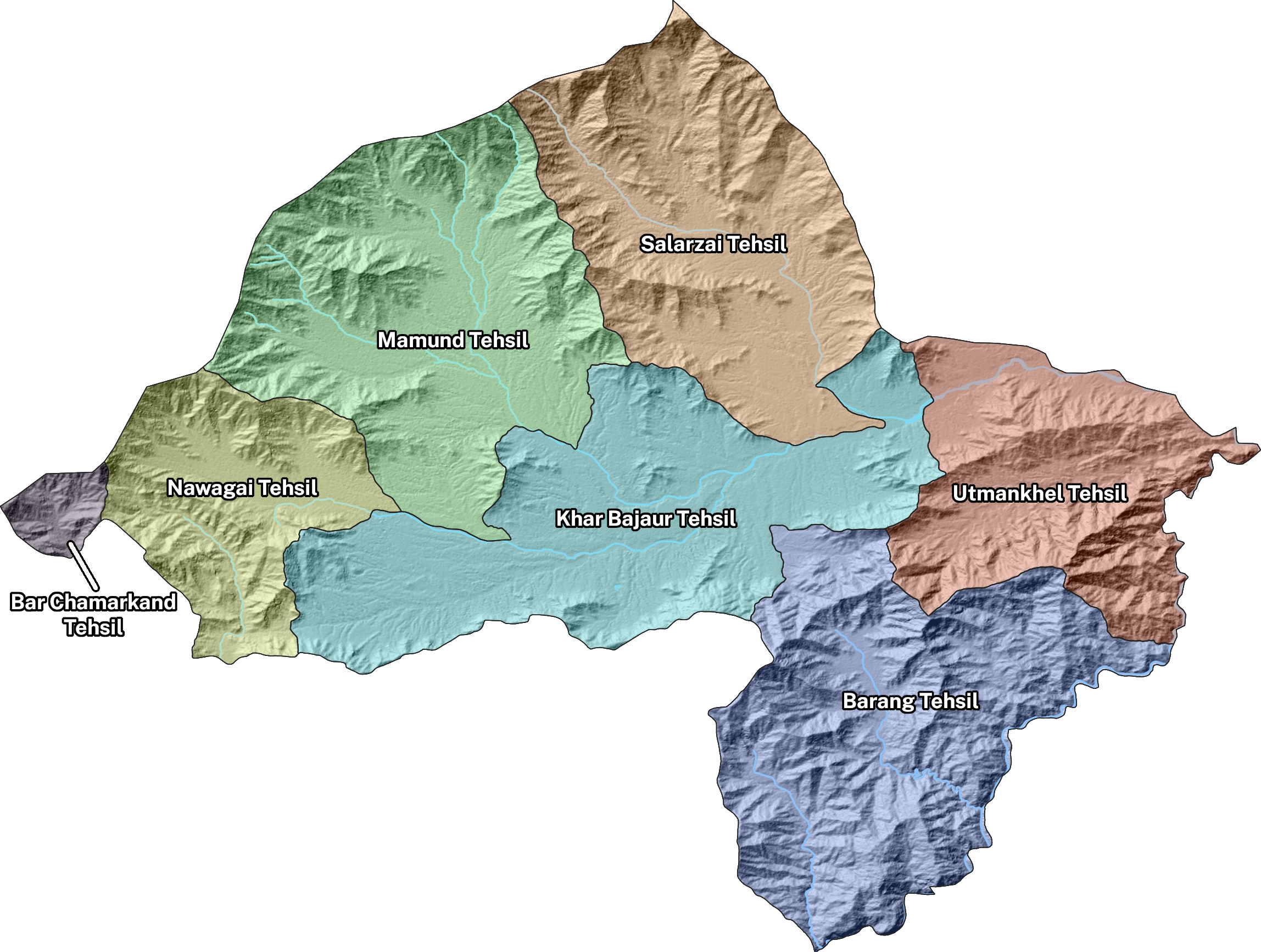
In Bajaur district of Khyber Pakhtunkhwa, unidentified gunmen opened fire on a police patrol on Wednesday, killing four officers and wounding two others, according to security officials quoted by the Anadolu Agency. The attack followed the killing of seven policemen, including a senior officer, in two attacks a day earlier.
President Asif Ali Zardari and Prime Minister Shehbaz Sharif both paid tribute to the security forces, with Zardari saying there should be “no let-up in operations against terrorists who are active with external backing,” and Sharif reaffirming that the government was determined to eliminate terrorism.
Why it matters
The announcement came amid a widening security crisis that has tested Pakistan’s relations with Afghanistan. On Sunday 22 February, Pakistan carried out air strikes it said targeted militant hideouts in eastern and southeastern Afghanistan. Afghan officials said civilians were killed and promised retaliation. In the days that followed, Pakistan accused the Taliban administration of “unprovoked” firing at Torkham and in the Tirah Valley, and the military said its forces had responded.
The toll of 34 dead in a single ISPR statement is among the largest the military has reported in the recent wave of operations, and it underscores the pressure on Pakistan’s security forces across two provinces. The Bajaur ambush also points to the persistent danger to police, who have borne the brunt of attacks in the northwestern border districts while the army conducts clearance and intelligence operations.
What is still uncertain
The casualty figures and the characterisation of the targeted groups come from the ISPR statement and could not be independently verified. The Anadolu Agency attributed the Bajaur police deaths to security officials, and no group had publicly claimed the attack at the time of writing. It was also not immediately clear how many civilians or security personnel were killed or displaced during the operations, or whether the cross-border exchanges with Afghanistan would escalate further. Pakistan has said it wants peaceful relations with its neighbours while keeping security of its citizens as its top priority.
Sources & reporting notes
This is a synthesis of published material, not eyewitness reporting. Sources were reviewed on 25 February 2026.
- Dawn — "34 terrorists killed in separate engagements in KP and Balochistan: ISPR"Published 25 Feb 2026 · The ISPR breakdown of the operations in North Waziristan, Lakki Marwat, Bannu and Zhob, the state designations Fitna Al Khwarij and Fitna Al Hindustan, and the tributes by the president and prime minister.
- Anadolu Agency — "Pakistan army says killed 34 suspected militants in separate operations"Published 25 Feb 2026 (updated 26 Feb) · Confirmation of the 34 deaths, and the Bajaur ambush in which four policemen were killed and two wounded, attributed to security officials.