Reporting snapshot · 9 October 2026 (Asia/Karachi). Pakistan has confirmed its forces are in Saudi Arabia but denies a New York Times report that its air force is being used against the Houthis. No force numbers, basing details or rules of engagement have been published, and the boundary between defending Saudi territory and offensive operations inside Yemen remains untested.
What Pakistan denied
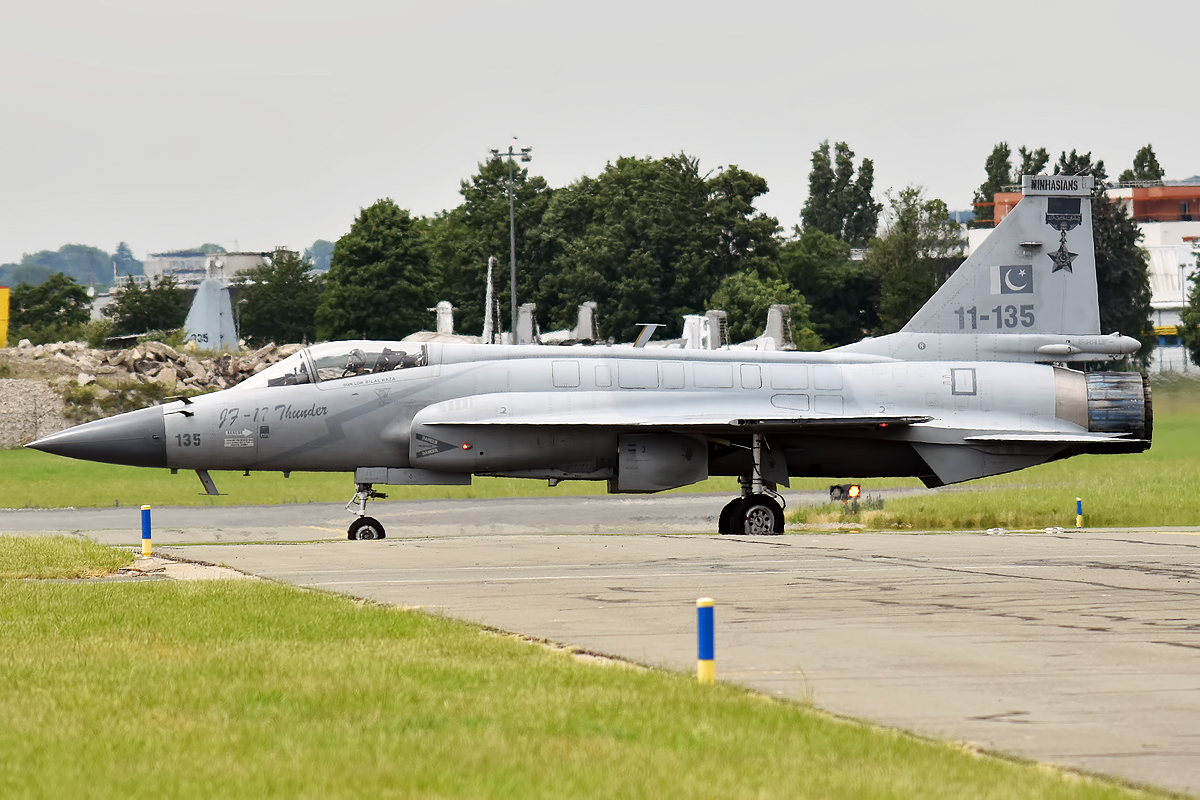
Pakistan’s Ministry of Information and Broadcasting said on 8 October 2026 that a New York Times report attributing the use of Pakistan Air Force (PAF) aircraft against Yemen’s Houthis was “fake and fabricated”, as The Express Tribune reported. The ministry urged international news organisations to avoid “speculative reporting” about the employment of Pakistan’s military forces under the Makkah Joint Defence Agreement, adding that details of any employment, “if necessary”, would be given by the authorities concerned.
The clarification was notable because it drew a line between two things Pakistan’s official messaging has often left intertwined: its long-standing military presence in Saudi Arabia and any direct participation in offensive operations in Yemen. The same day, Turkiye’s Foreign Minister Hakan Fidan, speaking in Ankara, described the arrangement in similar terms. “This is a defence agreement. This is not an offensive agreement,” Fidan said, adding that Ankara was still assessing how it could assist Saudi Arabia, particularly with air defence, but would not send troops into another country to launch an attack.
What the New York Times reported
The report at issue was published by The New York Times on 7 October under the headline “Explosions Heard in Riyadh After Saudis Say Houthi Attacks Killed 3 in Kingdom”. According to The Express Tribune’s account of the article, it cited an unnamed senior Pakistani military official as saying PAF fighter jets were being used against the Houthis, and suggested Pakistan’s role could focus on countering Houthi drone and missile threats through air support rather than a ground offensive in Yemen.
Pakistan did not publish the original text of its complaint, and the New York Times has not publicly retracted the story. The underlying claim should therefore be treated as disputed: it rests on an anonymous source, and the government of the country whose forces are said to be involved rejects it. There is no independent confirmation, and no supporting document beyond the ministry’s statement has been made public.
What Pakistan says about its role in Saudi Arabia
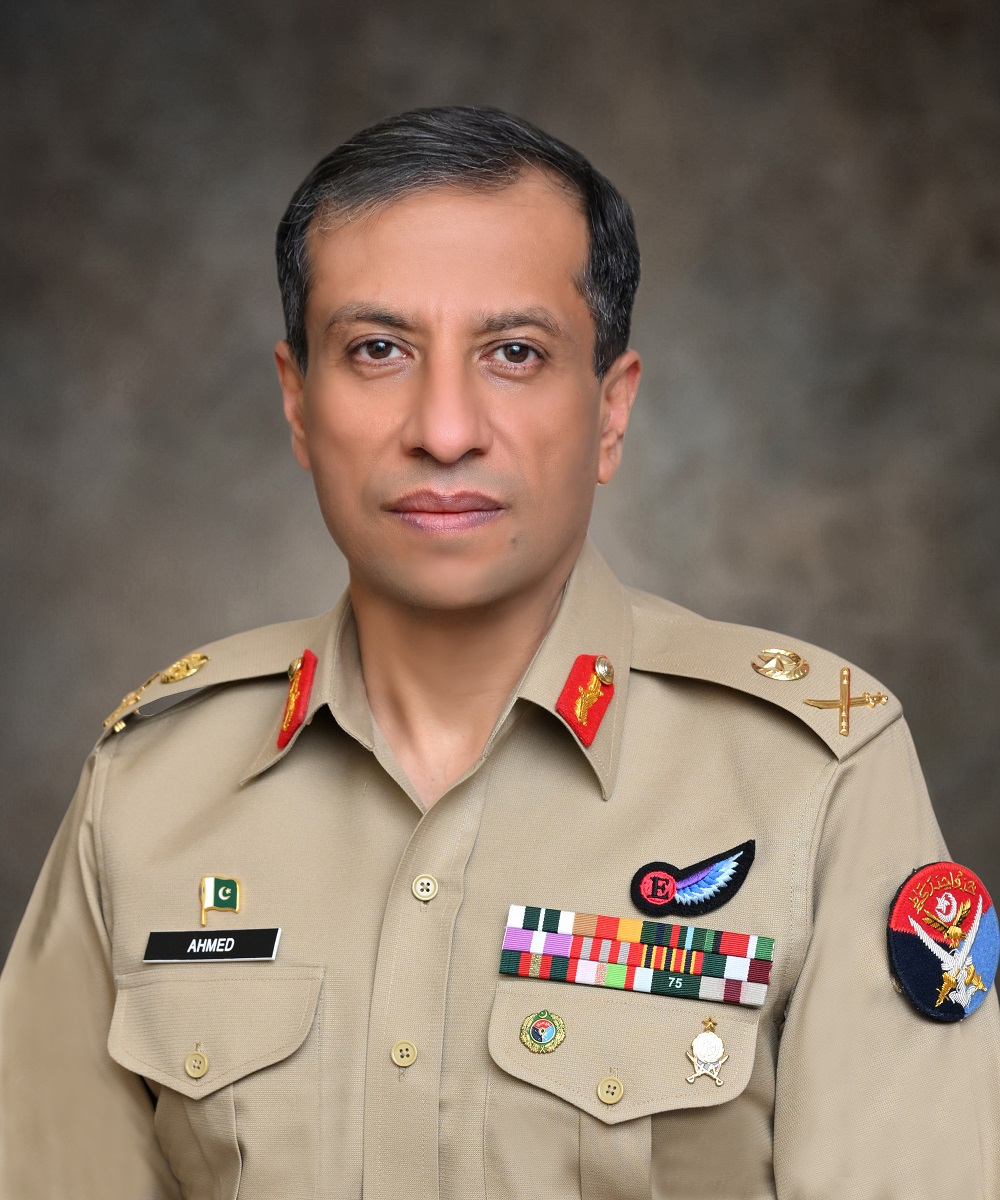
The denial sits on top of a record that has been building for months. On 7 October, the Director-General of Inter-Services Public Relations (ISPR), Lieutenant General Ahmed Sharif Chaudhry, told CNN that Pakistani forces were in Saudi Arabia and had been there “for decades” in “multiple capabilities and domains”, without giving numbers or confirming any role inside Yemen. Pakistan’s government has consistently described the Makkah Joint Defence Agreement as defensive.
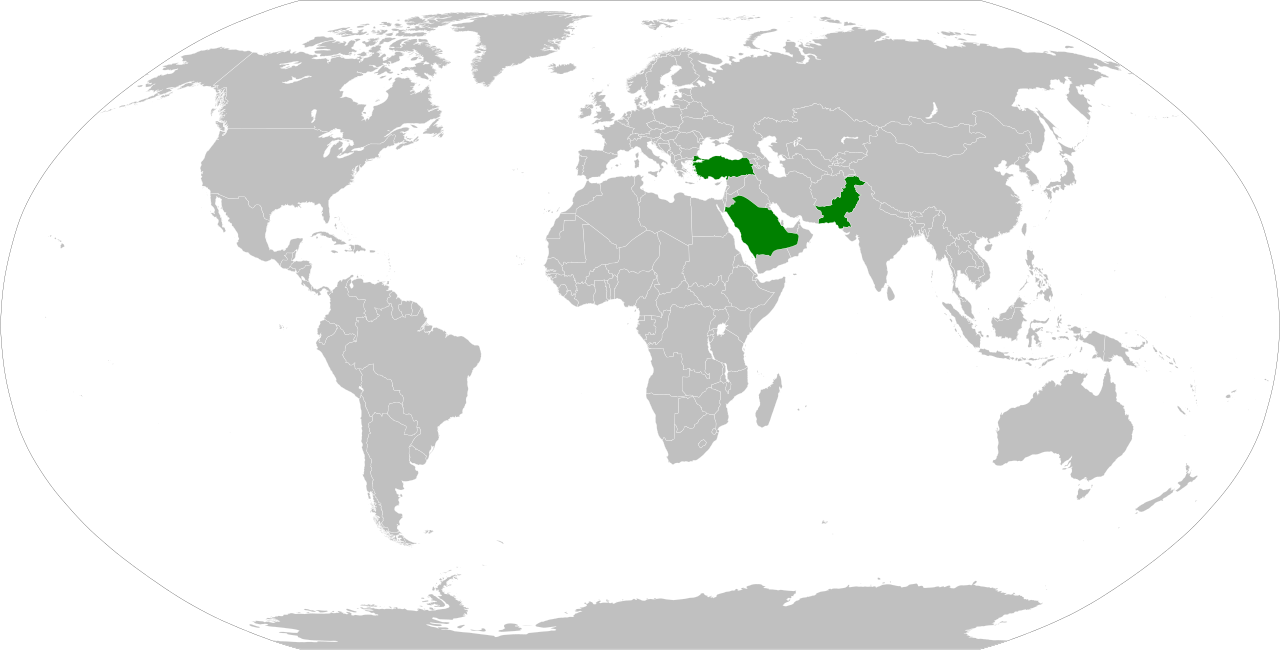
The pact, signed by Pakistan, Saudi Arabia and Turkiye on 7 August 2026, treats an armed attack against one member as an attack against all three. On 5 October, the alliance’s Strategic-Political and Defence Committee met in Riyadh and agreed to “move immediately to the practical implementation of the collective defense commitments” and to ensure the “rapid deployment” of agreed forces and capabilities in the kingdom, Al Jazeera reported, quoting the joint statement. The statement did not specify the size or role of the forces.
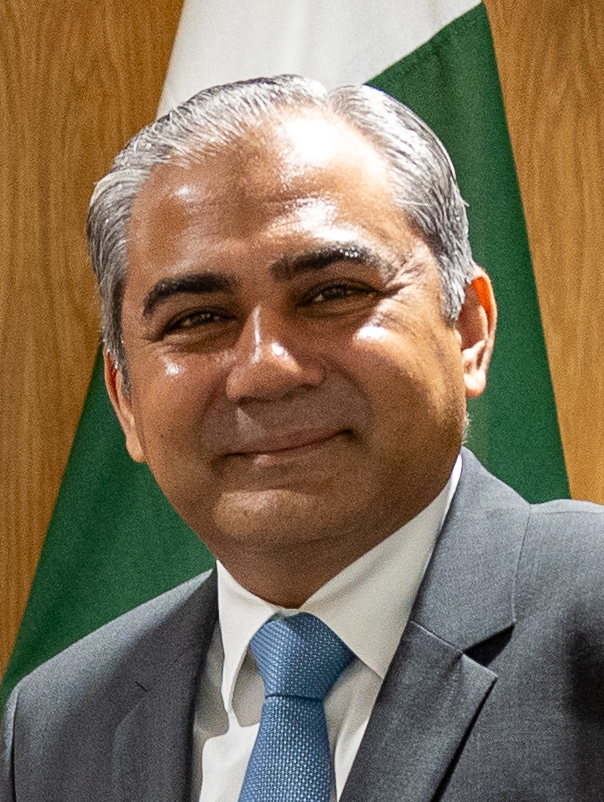
Pakistan’s Defence Minister Khawaja Asif has framed the contribution as supporting and non-combat. “The forces of Turkiye and Pakistan are playing a supporting role. We are definitely involved in reconnaissance and such things, but the combat is practically being conducted by Saudi Arabia’s own forces,” Asif told Geo News from Riyadh on 5 October, as Al Jazeera reported. Earlier, on 6 October, Pakistan’s Information Ministry said the operational details of activating the pact were a matter of “operational confidentiality” that should not be the subject of media speculation.
Why the distinction matters
For Islamabad, the political arithmetic is delicate. About two million Pakistanis work in the Gulf and their remittances are a pillar of the current account, which gives Pakistan a stake in Saudi security. But Pakistan has also positioned itself as a mediator in the wider US-Iran conflict, and it has an interest in not being seen as a belligerent in Yemen. KhabarWire has reported on the US endorsement of the Pakistan-Turkiye deployment, and on the Riyadh committee decision that activated it.
The distinction is equally important to Iran and to the Houthis. Javad Heiran-Nia, an analyst with the Persian Gulf Studies Group in Tehran, told Al Jazeera that Iran can tolerate a deployment limited to protecting Saudi installations but would regard Pakistani participation in offensive operations against the Houthis as “a red line”, because Tehran views the Houthis as part of its strategic depth. Houthi attacks on Saudi airports have continued: on 7 and 8 October, Saudi Arabia said three civilians were killed and 36 wounded at Abha and Riyadh airports, and the Saudi-led coalition said on 8 October that it had intercepted three Houthi ballistic missiles, Al Jazeera reported. Airlines including Air India and Lufthansa suspended flights to Riyadh.
Analysts expect Pakistan’s contribution to be specialised rather than large. Tughral Yamin, a retired brigadier at Islamabad’s Institute of Policy Studies, told Al Jazeera that Pakistan was most likely to add air-defence units, drones, battlefield communications, offensive cyber specialists, engineers and special-service troops. The question he framed was not how Pakistan would get involved but how it could avoid becoming involved.
What is still uncertain
Three things remain open. First, neither Pakistan nor the alliance has published force numbers, basing locations, a deployment schedule or rules of engagement, so the practical scope of the mission cannot be verified from public records. The 5 October statement said the allies would “move immediately” but stopped short of saying the mutual-defence clause had been formally invoked.
Second, the New York Times claim and Pakistan’s denial cannot be independently resolved. The report relied on an unnamed official, and no supporting evidence has been released on either side; the ministry’s rejection is itself the only officially published response.
Third, Pakistan has not said publicly where its role would stop. The Makkah agreement states that an armed attack against one member is treated as an attack against all three, yet that does not by itself require Pakistani forces to take part in offensive operations beyond Saudi territory. How Islamabad defines that boundary, and how Riyadh, Tehran and the Houthis read it, will shape what happens next.
Sources & reporting notes
This is a synthesis of published material, not eyewitness reporting. Sources were reviewed on 9 October 2026 (Asia/Karachi). The ministry's denial and the wording attributed to it come from The Express Tribune, whose report also recounts the New York Times article and quotes Turkiye's foreign minister. The Makkah pact's activation and Pakistan's stated role are taken from Al Jazeera, which quotes the 5 October joint statement, Pakistan's defence minister and the earlier Information Ministry statement. The airport casualty figures and coalition interceptions come from Al Jazeera's 8 October report. The New York Times report itself was not directly accessible and is described here as recounted by The Express Tribune.
- The Express Tribune — Pakistan denies PAF jets striking HouthisPublished 9 October 2026 · The Ministry of Information and Broadcasting's rejection of the New York Times report, the ministry's quotes, the DG ISPR's CNN remarks and Hakan Fidan's comments.
- Al Jazeera — Pakistan, Turkiye and Saudi deterrence against Houthis: What that meansPublished 6 October 2026 · Pakistan's stated defensive role, Khawaja Asif's remarks, the ministry's confidentiality statement, and analyst assessments from Tehran and Islamabad.
- Al Jazeera — Turkiye, Pakistan agree Saudi Arabia military deployment under Mecca pactPublished 5 October 2026 · The joint statement and the alliance's decision to activate collective deterrence and ensure rapid deployment.
- Al Jazeera — Saudi-led coalition says it intercepts three Houthi ballistic missilesPublished 8 October 2026 · The Houthi airport attacks, casualty figures, coalition interceptions and airline suspensions.
.jpg)