What happened
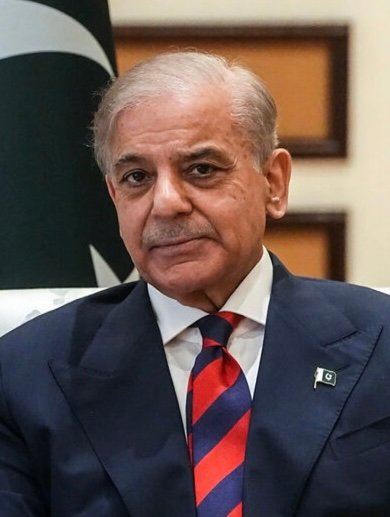
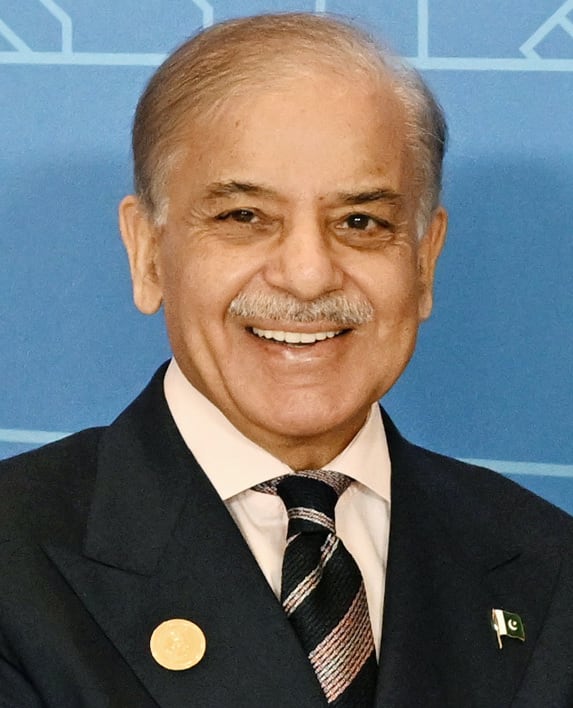
Pakistan and China issued a joint statement on 26 May 2026 at the conclusion of Prime Minister Shehbaz Sharif’s four-day official visit to China, saying the two sides had reached a “new broad consensus” on deepening their all-weather strategic cooperative partnership.
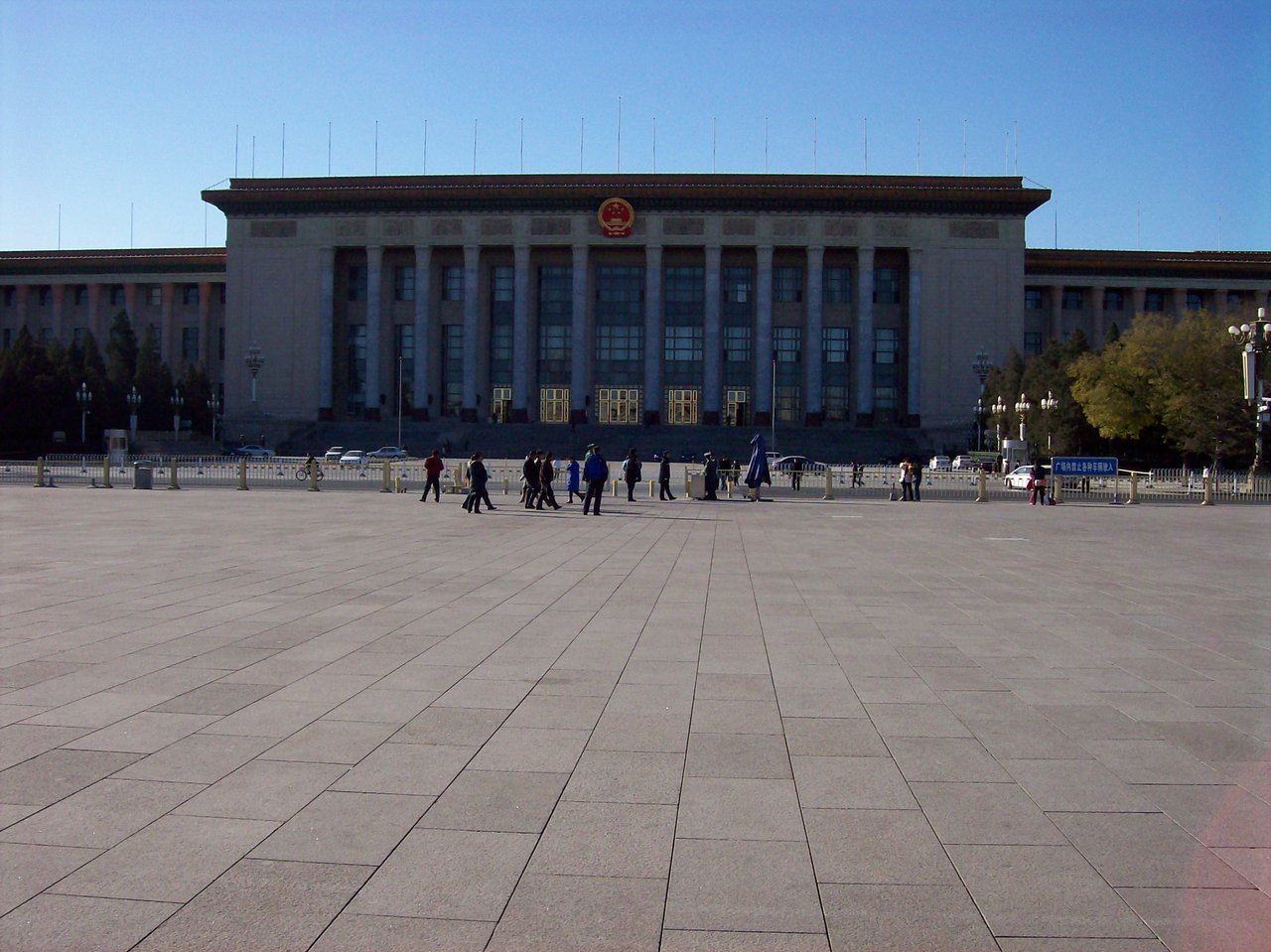
The visit, from 23 to 26 May at the invitation of Chinese Premier Li Qiang, included separate meetings between Shehbaz and President Xi Jinping and Premier Li, according to the statement issued by Pakistan’s Foreign Office. Shehbaz also attended events marking the 75th anniversary of diplomatic relations between the two countries and travelled to Hangzhou in Zhejiang province before departing, APP reported. He was seen off at Beijing airport by Chinese Vice Foreign Minister Hua Chunying, according to the Prime Minister’s Office.
What the statement covers
The joint statement said both sides agreed to accelerate the upgraded CPEC 2.0, convene a meeting of the China-Pakistan Economic Corridor Joint Cooperation Committee, advance the Karakoram Highway Thakot-Raikot realignment project “in a phased and orderly manner” and develop Gwadar Port into a regional connectivity hub. It also recorded agreement to expand cooperation in trade, energy, the digital economy, finance, artificial intelligence, water management and marine affairs.
On security, China said it was ready to work with Pakistan to fully implement its Global Security Initiative and establish a “China-Pakistan Security Partnership”, with continued counter-terrorism and military-to-military cooperation. Pakistan pledged “targeted steps” to protect Chinese personnel, projects and institutions in the country. Both sides said no individual, group or party, including the Tehreek-e-Taliban Pakistan and the Eastern Turkistan Islamic Movement, should use their territories to threaten regional security.
On Jammu and Kashmir, the statement said the Chinese side reiterated that the dispute was “left over from history” and should be properly and peacefully resolved under the UN Charter, relevant Security Council resolutions and bilateral agreements. Both sides opposed unilateral actions and expressed readiness to conduct trans-boundary water resources cooperation on the basis of equality and mutual benefit, a passage that follows India’s suspension of the Indus Waters Treaty.
The statement also said Pakistan supported Xi’s four-point proposals on Middle East peace and China’s plan for a World AI Cooperation Organisation, while China appreciated Pakistan’s role in facilitating a temporary ceasefire between the United States and Iran and hosting the Islamabad Talks.
Why it matters
The communique consolidates the agenda set out in Shehbaz’s meetings in Beijing, tying continued Chinese investment and security support to Pakistan’s cooperation against militant groups and its diplomacy on Iran and Afghanistan. It also restates Chinese backing for Pakistan’s position on Kashmir and its sovereignty, independence and territorial integrity.
What remains unclear
The statement did not publish figures for new Chinese investment or a timetable for specific CPEC projects beyond the Karakoram Highway realignment. Several cooperation documents were signed during the visit, the statement said, but it did not list them in detail.
Sources & reporting notes
This is a summary of published reporting, not independent reporting. Quotations are as carried by the cited outlets. Sources reviewed on 2026-05-26.
- The Express Tribune — "Pakistan, China reach 'new broad consensus' on strengthening strategic partnership as PM concludes visit"26 May 2026 · Reports the joint statement, CPEC 2.0, the security partnership, Kashmir, Afghanistan and Middle East passages.
- Associated Press of Pakistan — "China, Pakistan reaffirms peaceful resolution of Kashmir dispute"26 May 2026 · Carries the Foreign Office joint statement on the conclusion of the visit.