What happened
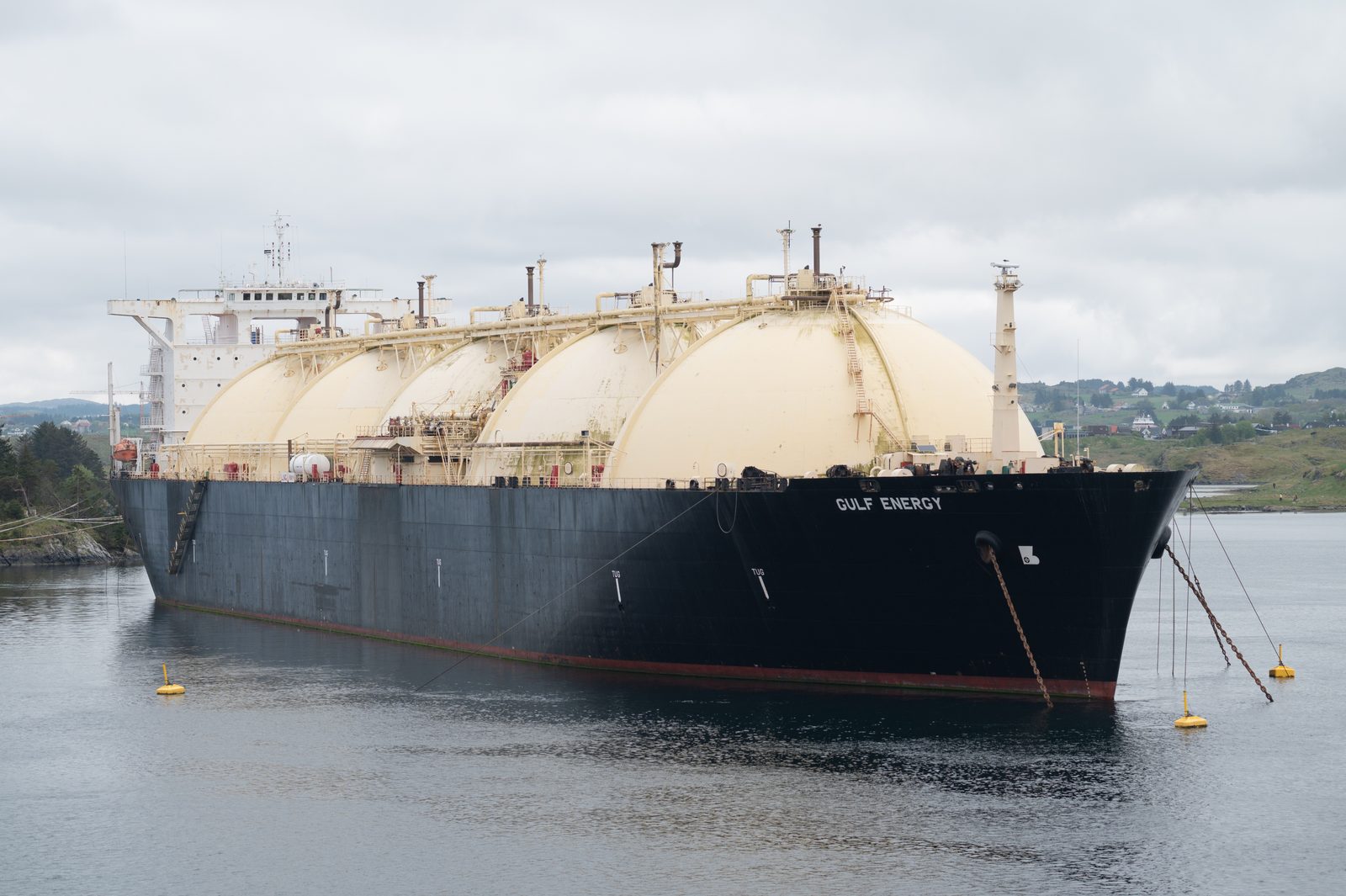
Liquefied natural gas (LNG) will no longer be available in Pakistan after 14 April because of supply disruptions linked to the conflict in the Middle East, the Senate Standing Committee on Petroleum was told on Monday 16 March 2026. The committee, chaired by Senator Manzoor Ahmed, heard that LNG imports from Qatar — the world’s second-largest LNG exporter after the United States and the source of the bulk of Pakistan’s imported gas — had been completely suspended since 2 March, DNA News reported.
Ministry of Petroleum officials told the panel that Pakistan has two LNG supply agreements with Qatar, but that shipments had been disrupted by the regional conflict. Of eight cargoes scheduled for March, only two arrived, and six cargoes expected in April are unlikely to reach the country, they said. As a result, officials warned that LNG would not be available after 14 April and that gas demand in the power sector would not be fully met in April.
The shortfall and the alternatives
Officials said alternative sources would be used to bridge the gap, including the possibility of buying LNG from Azerbaijan. But spot purchases could cost about $24 per unit, against $9 under the Qatari contract, they said, which would make electricity generation more expensive. Sui Southern Gas Company had reduced gas supply to one fertiliser plant by 50%, and gas supply to the power sector had fallen from 300 million cubic feet per day (mmcfd) to 130 mmcfd, the committee was told, while officials assured members that domestic consumers would continue to receive gas.
Secretary Petroleum Mirza Nasir-ud-Din Ahmad said about 70% of Pakistan’s petroleum imports come from the Middle East and that shipping had been disrupted. Global prices had surged, with high-speed diesel rising from $88 to $187 per barrel and petrol from $74 to $130 per barrel, he said. Pakistan holds crude oil reserves sufficient for 11 days, diesel for 21 days, petrol for 27 days, LPG for nine days and JP-1 aviation fuel for 14 days, the briefing heard.
Political friction
The briefing drew questions from senators. Manzoor Ahmed questioned the decision to raise domestic fuel prices when reserves for up to 28 days were available, and Senator Saadia Abbasi alleged the government had benefited by increasing prices on existing stock. The secretary said the recent increase, which followed a Rs55-per-litre rise in petrol and diesel, was aimed at discouraging hoarding and ensuring uninterrupted supply rather than benefiting oil marketing companies. According to the Oil and Gas Regulatory Authority, diesel prices have risen by about 100% and petrol by around 70% since 7 March.
The Petroleum Secretary also told the committee that Pakistan was in talks with Iran to secure permission for oil tankers to pass through the Strait of Hormuz, and that four Pakistani tankers were waiting, the Daily Pakistan newspaper reported.
Why it matters
The warning puts a date on the energy pressure building on Pakistan since the conflict closed in on Gulf shipping lanes. Pakistan generates a significant share of its electricity from gas, and a shortfall after mid-April would land during peak summer demand and add to the cost of generation at a time when the government is already holding down fuel prices with subsidies and austerity measures.
Energy Minister Awais Leghari told the panel that Pakistan’s growing reliance on domestic sources including solar, wind, nuclear, coal and hydropower had reduced its exposure to global LNG disruptions, and that Pakistan had cancelled 21 LNG cargoes due in 2026-27 under a long-term deal with Italy’s Eni as domestic power and solar growth cut gas demand. Officials also said the government had temporarily allowed imports of oil below the Euro-5 quality standard, was working on a relief package for motorcycle and rickshaw users, and that a ministerial committee formed by the prime minister reviews the petroleum supply situation daily.
What remains uncertain
Whether LNG from alternative suppliers such as Azerbaijan can be secured, and at what cost, has not been settled. The government has not said how it will meet the April shortfall in the power sector or whether further price increases are planned, leaving households and businesses facing an uncertain supply outlook after 14 April.
Sources & reporting notes
This is a synthesis of published reporting, not eyewitness reconstruction. Sources were reviewed on 16 March 2026.
- DNA News — "Pakistan's LNG supplies to run out after April 14 amid Mideast tensions, Senate panel told"Published 16 March 2026 · The Senate panel briefing, the suspended Qatari cargoes, the 14 April cutoff, alternative supply costs and reserve levels.
- Daily Pakistan — "Pakistan in talks with Iran for oil tanker passage through Strait of Hormuz"Published 16 March 2026 · The Petroleum Secretary's remarks on the four waiting tankers and talks with Iran.