What happened
Tanker drivers who supply fuel across Pakistan said they were waiting days at depots for petrol and diesel, even as the government and Pakistan State Oil (PSO) insisted that supplies remained sufficient despite the disruption caused by the war involving Iran, Israel and the United States.
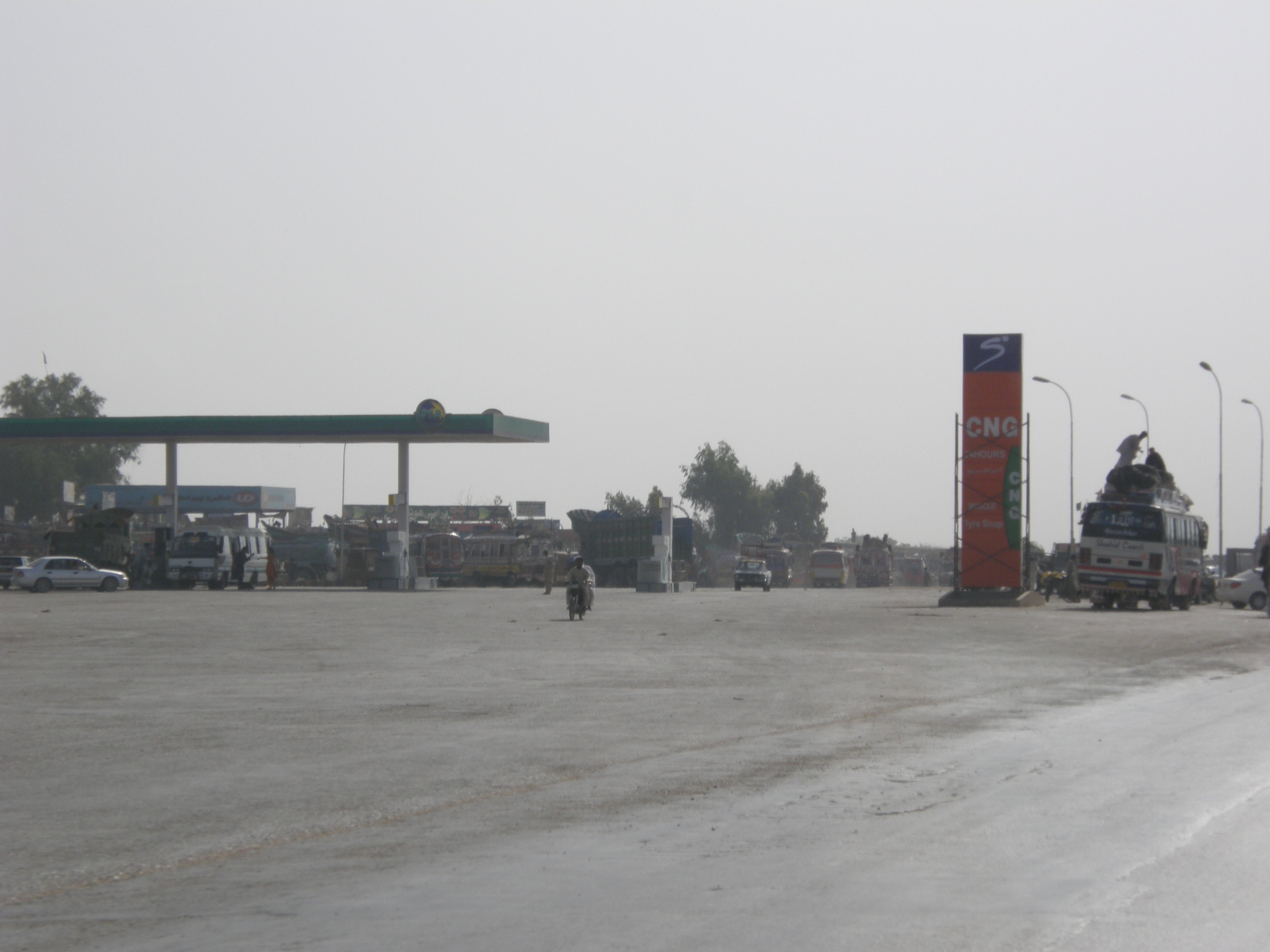
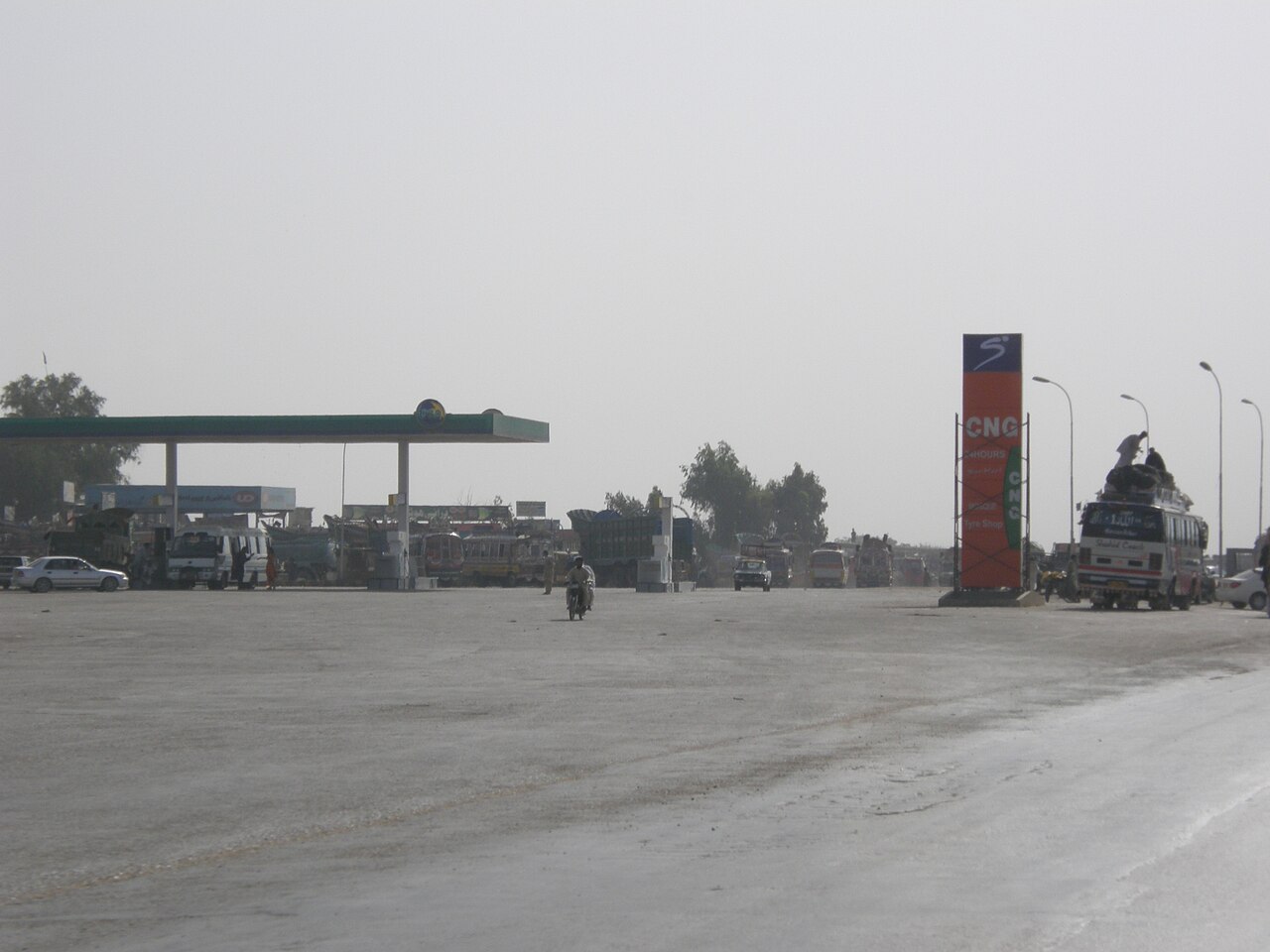
Dozens of PSO tankers were parked along the roadside at depots near Lahore, where drivers said there had been no petrol for four days. “There is no petrol at the depot for the past four days,” one driver, Abdul Shakoor, told AFP, adding that the depot was empty. Another worker, Mazhar Mahmood, said depot staff had told him fuel would arrive in five to six days.
PSO said its petroleum stocks were sufficient for more than 20 days of normal demand. It said it had secured several motor gasoline (Mogas) cargoes for March and early April through international tenders and government-to-government arrangements, including two from Oman and one from Saudi Aramco, and had opened another tender for deliveries later in April. Its high-speed diesel stocks also covered more than 20 days, it said, though supplies from Kuwait Petroleum Corporation had been disrupted after the company declared force majeure because of the closure of the Strait of Hormuz.
Petroleum Minister Ali Pervaiz Malik said in a television interview that there would be no immediate significant change in fuel prices and that the government would try to absorb future global increases through austerity, conservation, budget contingencies or targeted taxation.
Why it matters
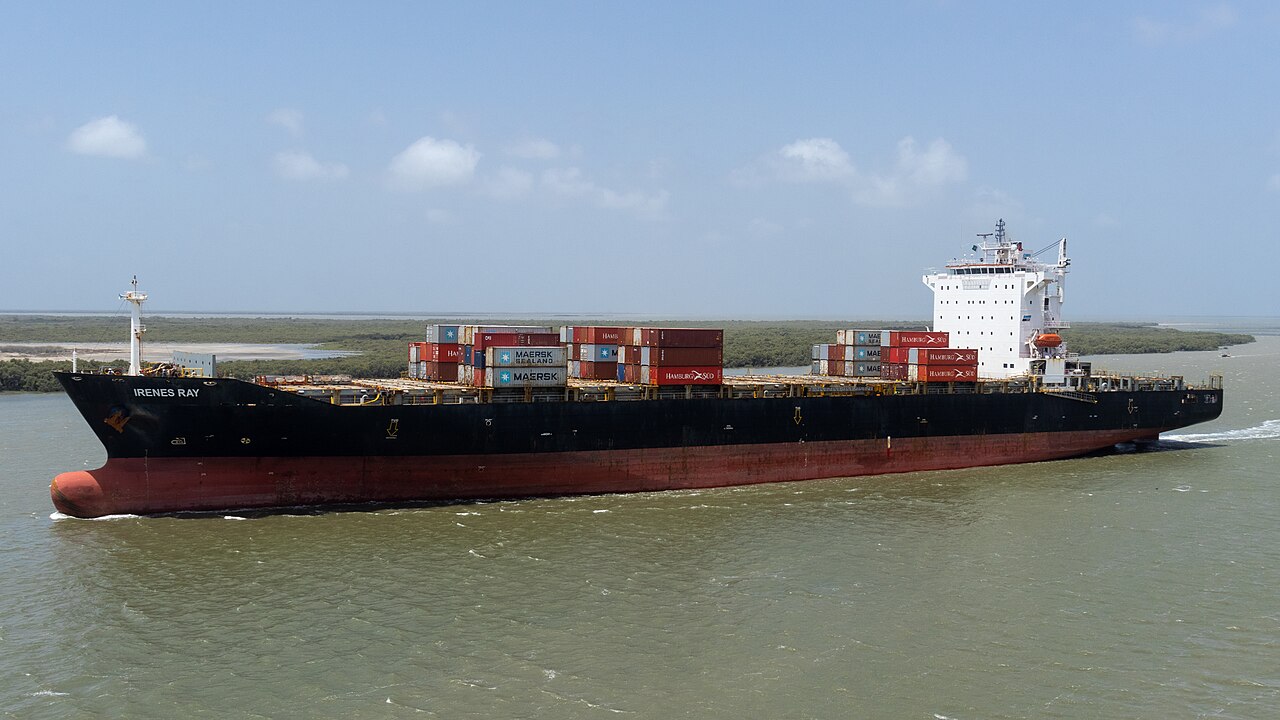
The queues at depots are the visible edge of a supply crunch caused not by a lack of global crude but by the disruption of shipping through the Strait of Hormuz and the cost of rerouting cargoes. Pakistan imports most of its energy from the Gulf, so a prolonged closure quickly feeds into pump prices, transport costs and inflation. The government last week raised petrol and diesel prices by Rs55 a litre — about 20 per cent and the largest single increase in its history — triggering panic buying and long lines at filling stations. The minister’s pledge to shield consumers sits alongside an austerity plan that cuts state fuel use, moves government offices to a four-day week and closes schools, which KhabarWire reported on 9 March.
What is still uncertain
It was unclear how quickly the queues would clear or whether depots were being deliberately rationed. PSO did not say when the next cargoes would dock or how long the Kuwaiti force majeure would last. Malik said the duration of the crisis was unknown and warned that Pakistan had to prepare for a long disruption, and he did not rule out having to adjust gas distribution if it continued. The Rs55-per-litre increase also remains in place and has been challenged in a constitutional petition before the Federal Constitutional Court.
Sources & reporting notes
This is a synthesis of published material, not eyewitness reporting. Sources were reviewed on 11 March 2026.
- Dawn / AFP — "Tanker drivers claim they are facing long waits at depots due to fuel shortage"Published 11 March 2026 · Primary: the parked PSO tankers near Lahore, drivers' accounts of four-day waits, the government's downplaying of further price rises, naval escorts for fuel vessels, and last week's roughly 20 per cent price increase.
- Pakistan Today — "Petroleum Minister 'assures' no further price hike"Published 11 March 2026 · Supporting: Ali Pervaiz Malik's televised interview, the Rs55-per-litre rise, the government's plan to buffer future increases through austerity and conservation, and his comments on gas cargoes and the Strait of Hormuz.
- Dawn — "FCC moved against fuel price increase"Published 11 March 2026 · Context: the Supreme Court advocate's constitutional petition before the Federal Constitutional Court seeking reversal of the Rs55-per-litre increase, arguing Pakistan had enough stocks until the end of the month.