What happened
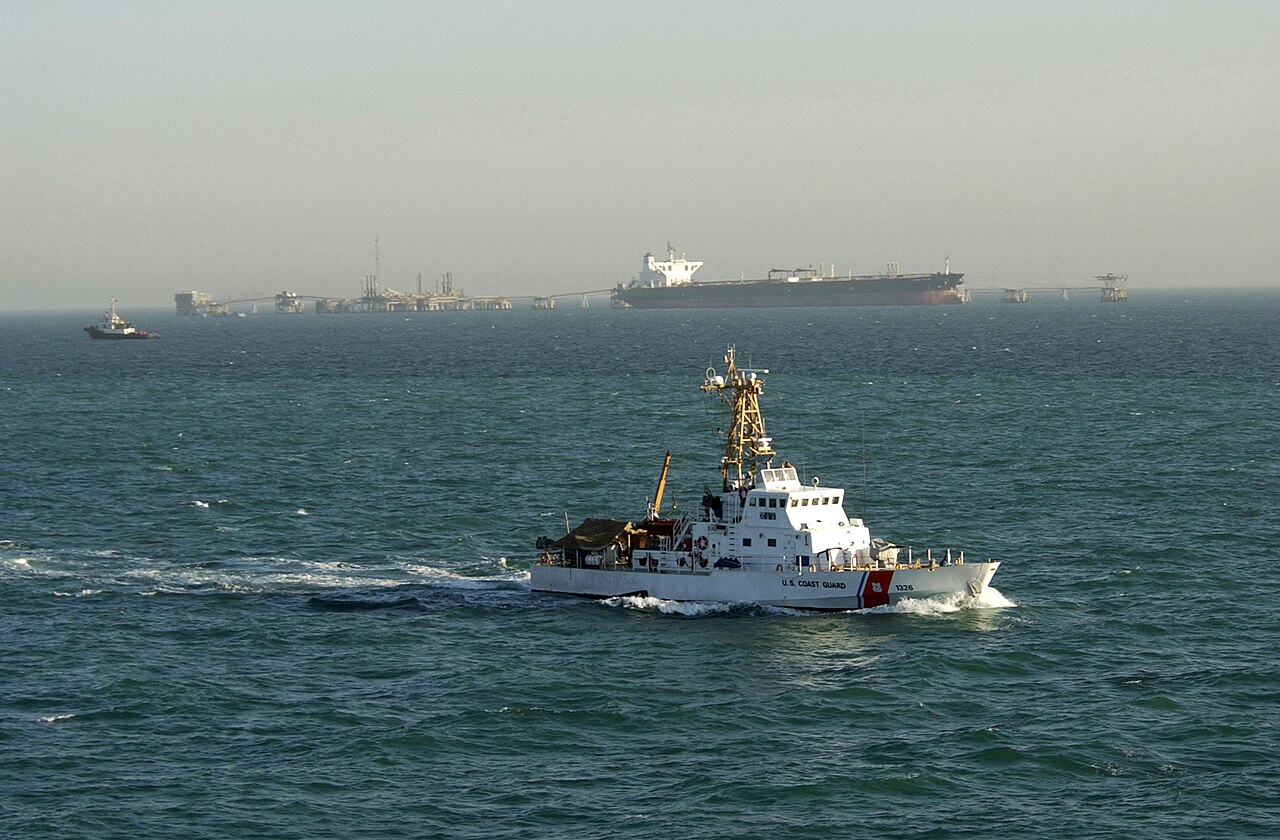
Pakistan’s cabinet committee on the oil situation decided in principle on Thursday 5 March to switch to weekly petroleum price revisions from 8 March and to prepare a national fuel-conservation plan that includes work-from-home and distance-learning measures, as the war involving Iran paralysed shipping through the Strait of Hormuz.
Dawn reported that the plan was agreed at a meeting of the committee formed by Prime Minister Shehbaz Sharif to monitor petrol prices, and that it would be presented to the prime minister on Friday. Subject to his clearance, it would go to the federal cabinet’s Economic Coordination Committee for formal approval. The committee said measures such as work-from-home, distance learning and car-pooling used during the Covid-19 pandemic could be revived from the following week to save fuel, energy and foreign exchange.
Why it matters
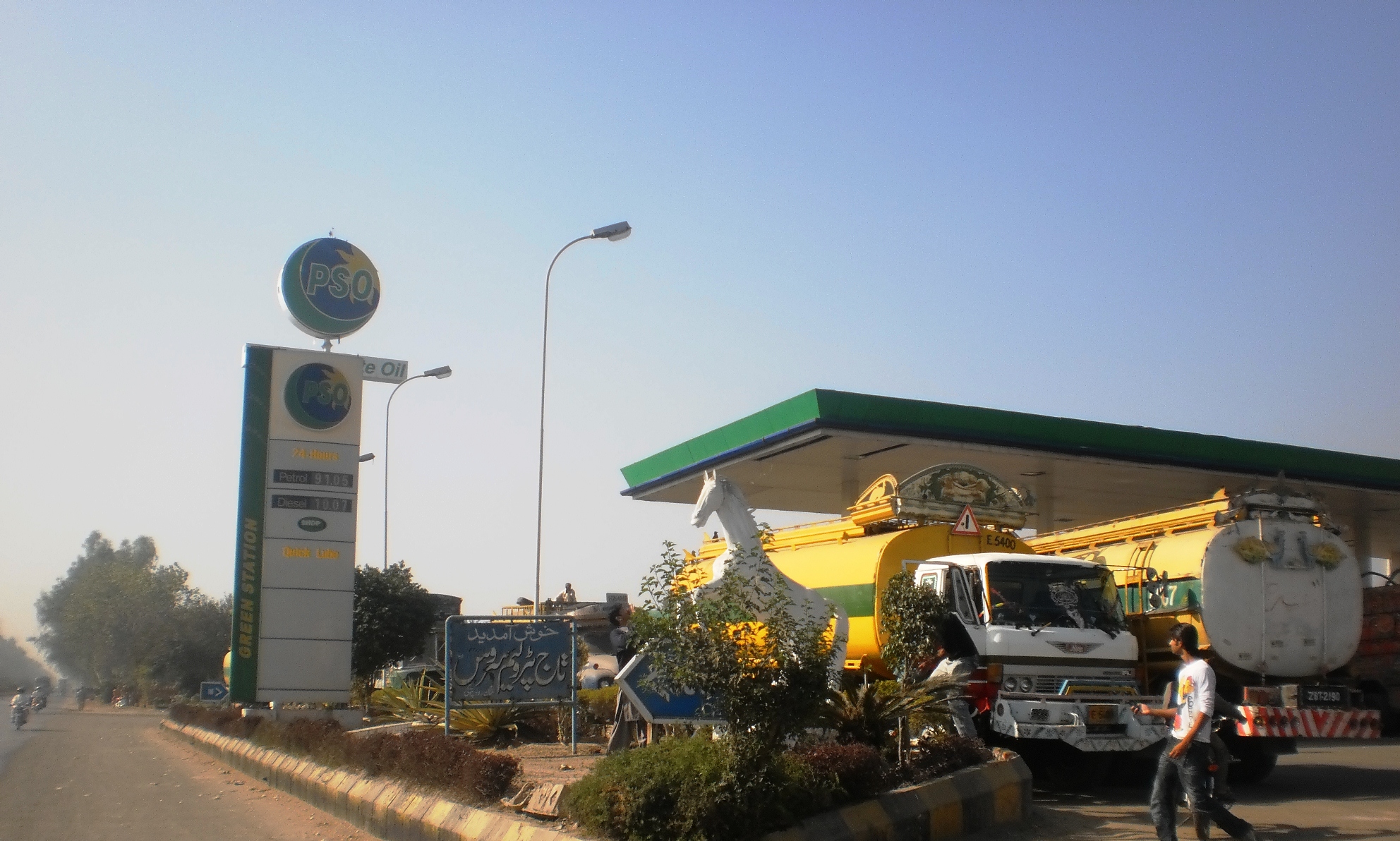
The Strait of Hormuz is the main route for Pakistan’s diesel imports, which rely heavily on long-term Kuwaiti supplies. A separate Dawn report the same day said the government was preparing an immediate summary for the ECC as pump prices appeared set to rise by about Rs25 per litre for petrol and Rs45-50 for diesel. State-run Pakistan State Oil had already launched two import tenders each for petrol and diesel outside the strait, and Islamabad asked Saudi Arabia to use the alternative Red Sea route through Yanbu. Officials said petrol and diesel stocks covered about 25 to 26 days and there was no immediate shortage. Finance Minister Muhammad Aurangzeb told a Senate committee there was “no emergency-like situation” and ruled out fuel rationing, while State Bank Governor Jameel Ahmad said reserves had crossed $16 billion. KhabarWire reported the previous day on the government’s request for a Yanbu supply route.
What is still uncertain
The measures still required the prime minister’s clearance and ECC approval, and officials did not say how long they would remain in force or how they would be enforced across public and private employers. The scale of any eventual price increase depended on how long the Strait of Hormuz disruption lasts, and the committee’s stock figures were described as current, not guaranteed.
Sources & reporting notes
This is a synthesis of published material, not eyewitness reporting. Sources were reviewed on 2026-03-05.
- Dawn — Govt decides in principle to implement work-from-home, distance learning for fuel conservationPublished 5 March 2026 · The in-principle decisions on weekly price revisions from 8 March and the work-from-home and distance-learning measures.
- Dawn — Govt plans fuel contingency measures amid Iran crisisPublished 5 March 2026 · Price estimates, stock levels, the PSO tenders, the Yanbu request and the finance minister's and central bank governor's remarks.