What happened
The United States has reiterated its support for Pakistan’s right to defend itself against terrorist attacks, as the United Nations moved ahead with a contested review of its core counterterrorism framework. “The Pakistani people have suffered greatly at the hands of terrorists,” the US State Department said in a statement reported by Reuters. Washington “supports Pakistan’s right to defend itself against terrorist attacks” as intermittent conflict between Pakistan and neighbouring Afghanistan continues, the department added.
The statement followed Pakistani operations against what Islamabad described as terrorist infrastructure along the Afghan border, carried out in response to an attack on a Pakistan Rangers Sindh headquarters in Karachi’s Gulistan-i-Jauhar area. In February, US Under Secretary of State for Political Affairs Allison Hooker had expressed similar support for Pakistan.
The UN vote
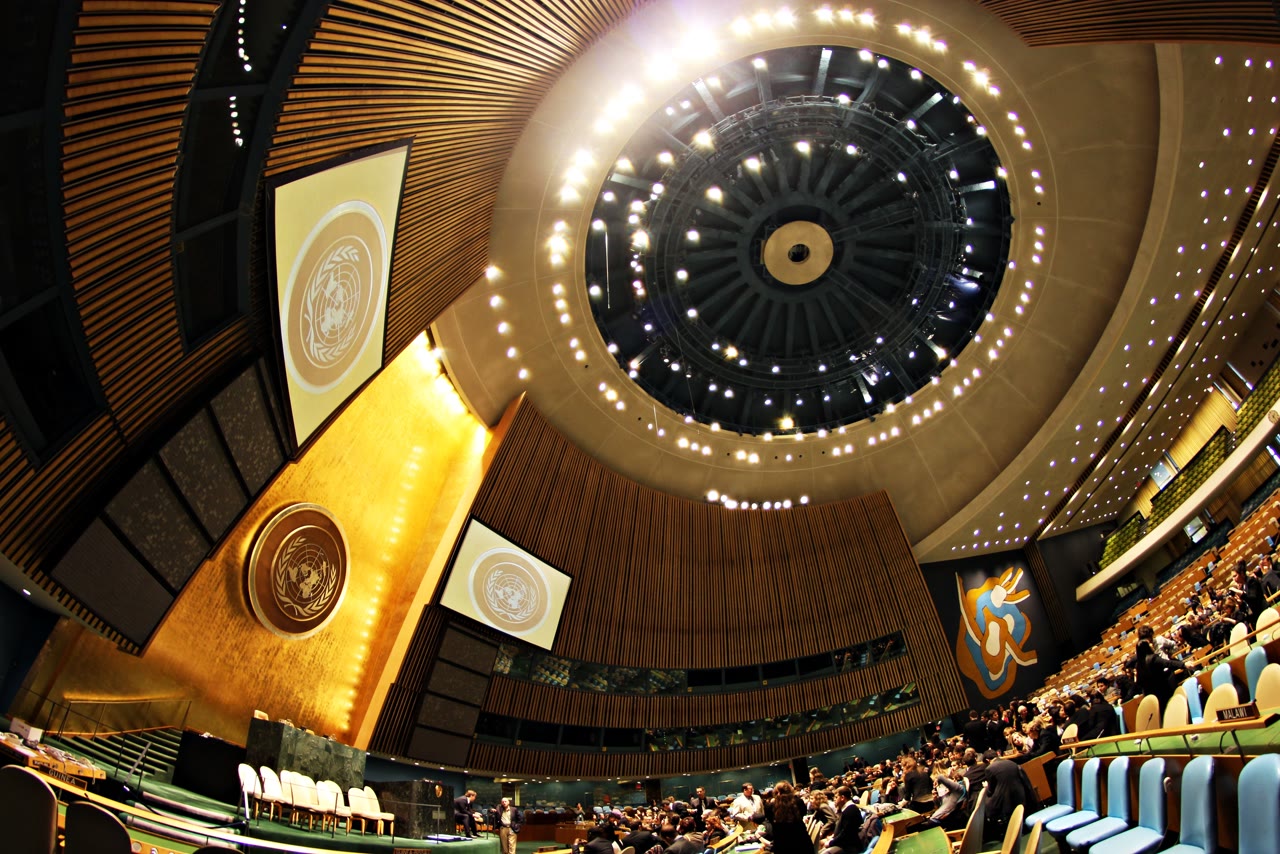
The remarks came during the ninth review of the United Nations Global Counterterrorism Strategy, a framework adopted in 2006 and periodically reviewed to guide international cooperation against terrorism. At the General Assembly, the United States voted against the resolution and pushed for a recorded vote, breaking with the strategy’s traditional consensus-based adoption.
The General Assembly adopted the ninth review by 140 votes in favour on 1 July, including Pakistan’s. The United States, Israel and Argentina voted against the resolution. Japan abstained but its delegate later said the abstention was the result of a technical error and that his delegation had intended to vote in favour. Washington described the draft as “bloated, outdated, and lacking focus”, arguing that its 170-plus paragraphs diluted core counterterrorism priorities, and said it ignored numerous US redlines and policy concerns. Pakistan, Egypt and Iran regretted that several proposals made by Islamic countries were not considered, while Turkiye regretted the absence of stronger condemnation of the repeated targeting of Muslims, including the desecration of mosques and the burning of the Holy Quran.
Pakistan’s position
Pakistan’s permanent representative to the UN, Ambassador Asim Iftikhar Ahmad, told the General Assembly that terrorism transcended national boundaries and was manifesting itself in an “increasingly interconnected yet decentralised organisational manner globally”. He said the strategy remained a “living document” that evolved with emerging threats, and that Pakistan had remained at the forefront of global counterterrorism efforts while also suffering heavy losses, with more than 1,200 Pakistanis killed in terrorist attacks in the past year alone.
He expressed disappointment that the ninth review had failed to address longstanding gaps or incorporate concerns raised by the Organisation of Islamic Cooperation. He rejected any attempt to equate the “legitimate struggle for self-determination” with terrorism, called for coordinated action against xenophobia and violent far-right and supremacist groups, and urged reforms to make the UN counterterrorism architecture and sanctions regime more transparent and insulated from political influence. He also called for stricter regulation of social media platforms and of digital financial systems, virtual assets and cryptocurrencies to stop their misuse by terrorist networks, and for the Financial Action Task Force to remain impartial.
Why it matters
The split over the review underscores how difficult it has become to sustain consensus on counterterrorism at the United Nations. For Pakistan, the US statement is a public reaffirmation of support at a time when its security forces are conducting operations along the Afghan border, while the outcome of the review highlights the widening gap between Western priorities and those of the OIC bloc.
Sources & reporting notes
This is a summary of published reporting, not independent reporting. Details are as carried by the cited source, which was reviewed on 2026-07-03.
- Dawn — "US backs Pakistan's right to self-defence after UN votes on global counterterrorism strategy"3 July 2026 · The State Department statement, the background to Pakistan's border operations and the ninth review of the Global Counterterrorism Strategy.