What happened
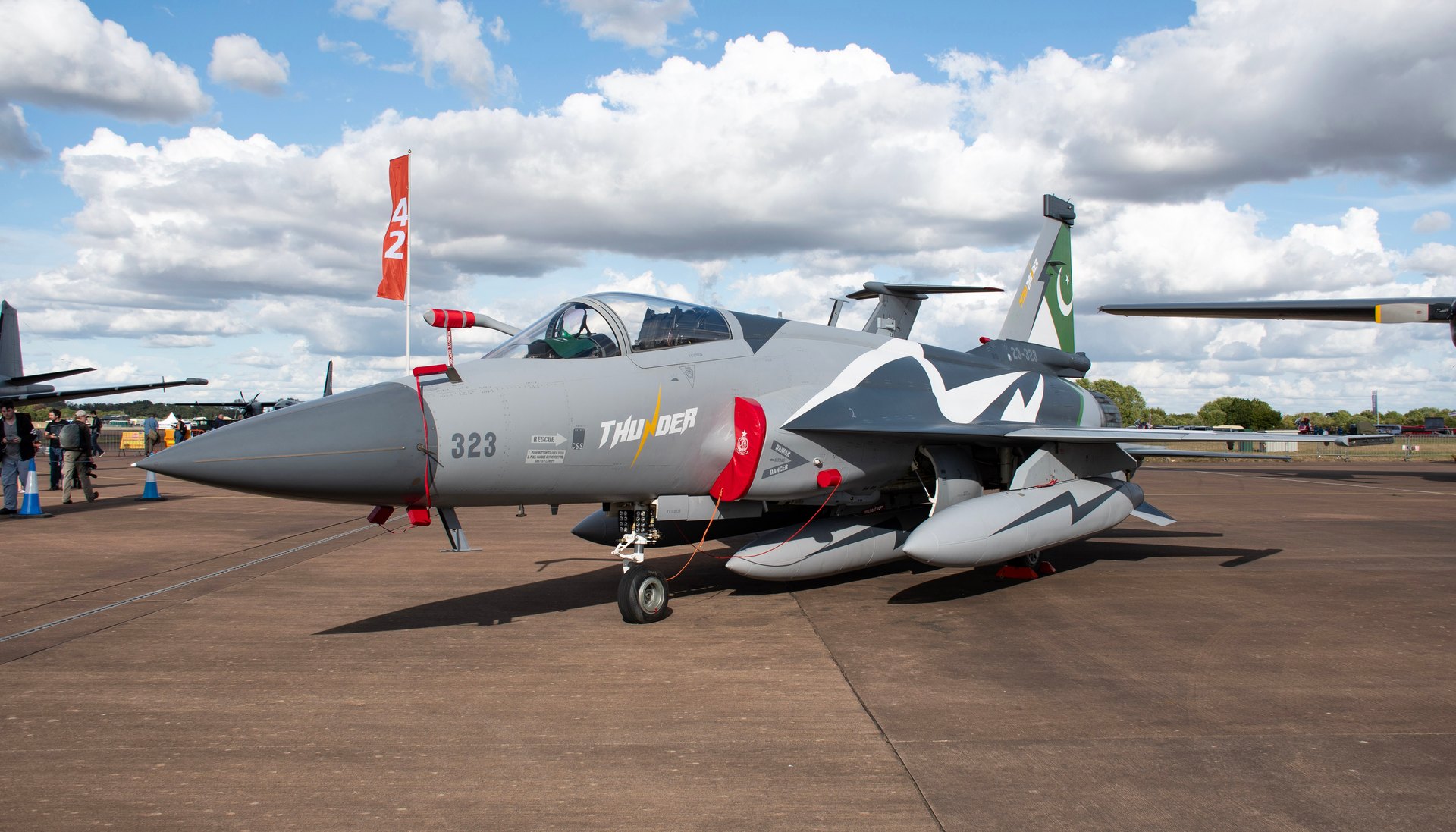
A Pakistani military contingent, including Pakistan Air Force fighter jets and support aircraft, arrived at King Abdulaziz Air Base in Saudi Arabia’s Eastern Province on 11 April 2026, the Saudi Ministry of Defence announced. The ministry said the deployment was made under the joint strategic defence agreement between the two countries and was intended to strengthen military coordination, raise operational readiness and support regional stability.
It was the first visible military deployment under the pact, signed in September 2025 by Prime Minister Shehbaz Sharif and Saudi Crown Prince Mohammed bin Salman in Riyadh, under which an attack on either country is treated as an attack on both.
Why it matters
The deployment landed on the same day that Islamabad hosted direct negotiations between the United States and Iran aimed at ending the weeks-long regional war. Since Iran launched missile and drone strikes on what it described as US targets in Gulf states after the US-Israeli killing of Supreme Leader Ali Khamenei on 28 February, Pakistan has had to balance its commitments to both Riyadh and Tehran.
Foreign Minister Ishaq Dar has said he warned Iran’s leadership in early March that Islamabad was bound by its obligations to Saudi Arabia under the agreement, and that he secured Iranian assurances that Saudi territory would not be used to attack Iran. Iranian strikes on Saudi targets, including key bases and a US embassy building, nonetheless continued. Army chief Field Marshal Asim Munir travelled to Riyadh in early March to discuss measures to halt them.
Four days before the deployment, Sharif telephoned the crown prince to say Pakistan would stand “shoulder to shoulder” with the kingdom, and the two sides agreed to accelerate a pledged Saudi investment package for Pakistan worth US$5 billion. Saudi Arabia hosts about 2.5 million Pakistani workers whose remittances are a mainstay of Pakistan’s economy.
What is still uncertain
Pakistan’s government has not publicly commented on the deployment. Analysts quoted by Al Jazeera read it as a signal to Tehran rather than a combat escalation: security analyst Imtiaz Gul said “three jets won’t make much of a difference militarily” and described the move as messaging Iran to be flexible in the Islamabad talks while underlining Pakistan’s obligations to Riyadh.
Michael Kugelman of the Atlantic Council called the deployment “a bit of a risky gambit”, suggesting it signals that Pakistan could move closer to Saudi Arabia and potentially invoke the mutual defence pact if the talks fail and fighting resumes. The number and type of aircraft involved, and the duration of the deployment, have not been disclosed.
Sources & reporting notes
This article is a synthesis of published material, not original reporting. Sources were reviewed on 11 April 2026.
- Al Jazeera (Faisal Ali) — Pakistan sends fighter jets to Saudi Arabia amid fragile US-Iran ceasefirePublished 11 April 2026 · The Saudi ministry announcement, the defence pact's terms, Dar's assurances to Iran and analyst reaction.
- Dawn — Pakistan sends military force, fighter jets to Saudi ArabiaPublished 11 April 2026 · Confirmation of the deployment and the terms of the September 2025 Strategic Mutual Defence Agreement.
- Reuters — Pakistan sends fighter jets to Saudi Arabia under mutual defence pactPublished 11 April 2026 · Security rationale for the deployment and the role of strikes on energy facilities.