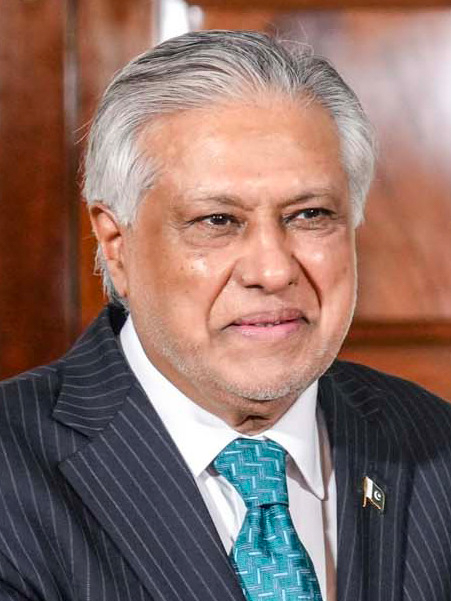
Reporting snapshot · 23 September 2026. Deputy Prime Minister and Foreign Minister Ishaq Dar addressed the meeting of the OIC Contact Group on Afghanistan on Tuesday, 22 September, on the sidelines of the 81st session of the UN General Assembly in New York, calling for concrete and verifiable action to stop Afghan soil from being used for terrorism against Pakistan and urging the OIC to press the Taliban on rights, returnees and humanitarian funding. The account of the address rests on the Foreign Office's statement as reported by Radio Pakistan, Dawn, The Express Tribune and Geo News; the meeting's proceedings were not otherwise public.
What happened
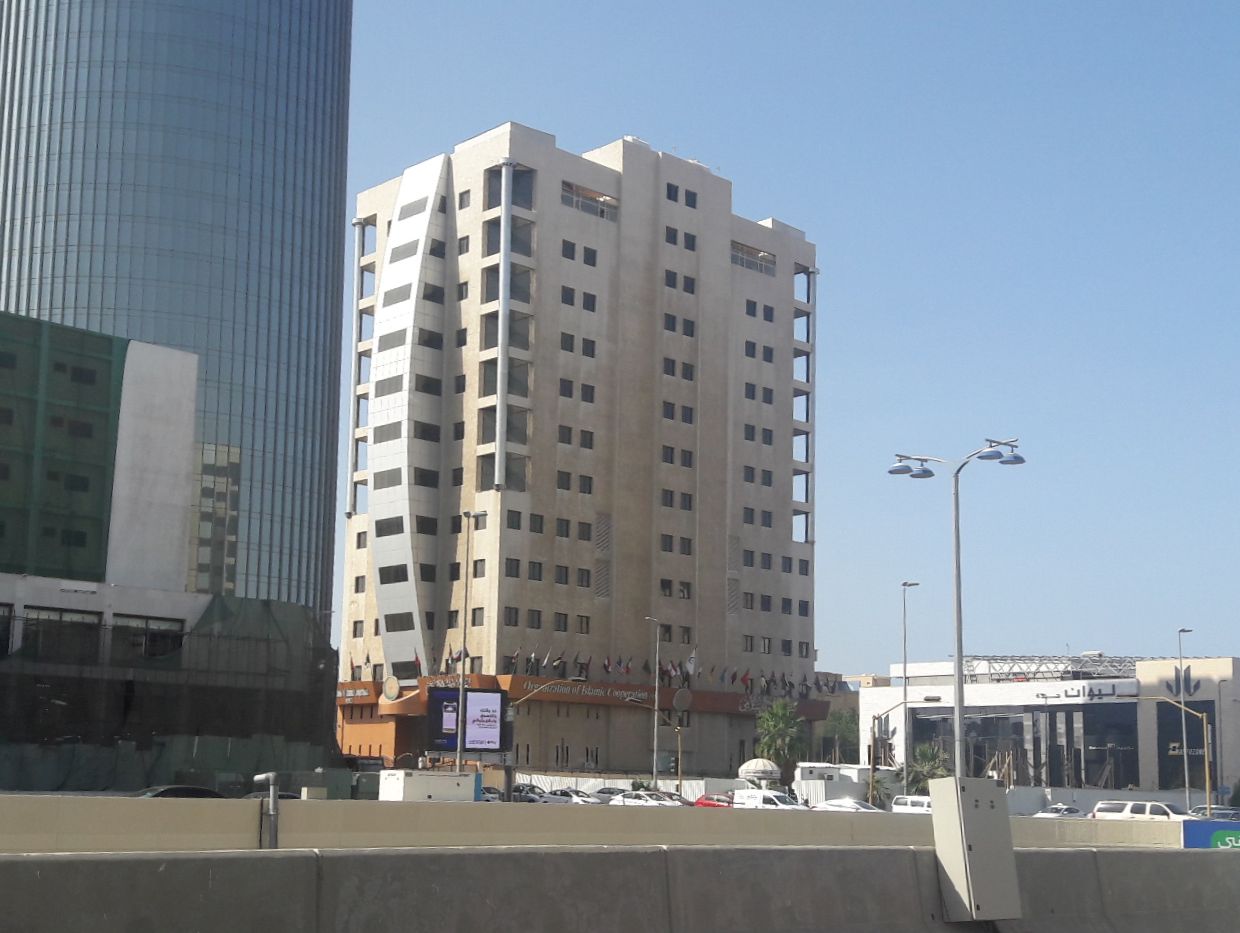
Deputy Prime Minister and Foreign Minister Ishaq Dar told a meeting of the Organisation of Islamic Cooperation’s (OIC) Contact Group on Afghanistan that the situation demanded continued attention, particularly for its implications for regional peace, security and stability, and urged the group to press the Afghan Taliban to take concrete and verifiable action to prevent Afghan territory from being used for terrorism against neighbouring countries, particularly Pakistan.
Dar spoke at the Contact Group meeting held on Tuesday, 22 September 2026, on the sidelines of the 81st session of the United Nations General Assembly in New York. The Foreign Office’s account of his remarks, carried by Radio Pakistan, Dawn, The Express Tribune and Geo News, shows the address was an attempt to marshal the Muslim world’s collective diplomatic weight behind Islamabad’s long-standing demands of the Taliban government.
“Pakistan is seriously concerned over the presence of more than two dozen terrorist groups inside Afghanistan, particularly the TTP, BLA and Majeed Brigade, ISIL-K (Daesh), Al-Qaida and ETIM that threaten regional and international peace and security,” Dar said, according to The Express Tribune. He described the recent suicide bombing at a mosque in Kohat, Khyber Pakhtunkhwa, which he said had “martyred at least 24 Pakistanis”, as a stark reminder of the threat posed by terrorism emanating from the region.
Why Pakistan is pressing now
The address comes at a moment of sharp escalation in Pakistan-Afghanistan relations. On 18 September, a suicide bomber struck a mosque inside the old Police Lines compound in Kohat and gunmen stormed the complex, setting off a 20-hour battle that killed at least 23 people, most of them police, and wounded more than 100, an attack KhabarWire covered in its Kohat reporting. Two days later, six security personnel including two army officers were killed in an ambush on a convoy in Hangu.
On 21 September, Pakistani fighter jets carried out airstrikes on suspected militant hideouts in Afghanistan’s Kunar and Paktika provinces, which Islamabad said killed 28 militants and Kabul said killed three civilians. The strikes ended a nearly three-month pause in publicly reported Pakistani air operations inside Afghanistan and followed an Information Ministry warning that Pakistan had “both the will and the capability to eliminate terrorist threats wherever they are”.
Against that backdrop, Dar used the OIC platform to frame the issue in multilateral terms. He recalled that Pakistan was “the first country to open its doors to our Afghan brothers” after the US troop withdrawal in 2021, and noted that Islamabad had hosted the 17th Extraordinary Session of the OIC Council of Foreign Ministers on 19 December 2021 to mobilise international support for Afghanistan’s humanitarian needs.
But the expectations of OIC members and the wider international community had “remained unfulfilled”, and the Taliban had “failed to seize the opportunity to integrate Afghanistan with the wider world and to improve the lives of the Afghan people” because of what he described as their “misplaced priorities and flawed ideologies”.
What Dar asked of the OIC and the Taliban
Dar said the OIC, as “a collective voice of the Muslim world”, had a vital role in Afghanistan, and urged the group to call on the Taliban to take several steps, foremost among them eliminating terrorism and ending the patronage of terrorist groups. “They must not allow Afghan soil to be used for orchestrating terrorist attacks against neighbouring countries,” he said, according to The Express Tribune.
He asked the OIC to press the Taliban to honour Afghanistan’s international obligations and commitments, curb trafficking through illegal smuggling networks including narcotics, weapons and human trafficking, and lift restrictions on women and girls that he said ran contrary to Islamic principles and the norms of Muslim societies. He referenced the ninth OIC Ministerial Conference on Women, held in Islamabad on 12-13 July 2026, which he said had expressed “deep concern” over continued restrictions on girls’ education and women’s employment in Afghanistan.
Dar also called for a politically inclusive process involving all ethnicities and minorities, and urged the Taliban to facilitate the resettlement and integration of Afghan returnees, noting that the international community also had a responsibility to share the burden. He called on international donors to provide adequate funding for Afghanistan’s humanitarian needs and socio-economic development, and commended the OIC Office in Kabul as well as humanitarian support delivered through the Afghanistan Humanitarian Trust Fund and the King Salman Humanitarian Aid and Relief Centre. He also thanked Qatar, Turkiye and Saudi Arabia for their mediation efforts.
The context of a strained relationship
The address restates a position Islamabad has held for years: that meaningful engagement with the Taliban government cannot resume until Kabul takes concrete and verifiable action against the banned Tehreek-e-Taliban Pakistan (TTP) and other groups that Pakistan says operate from Afghan territory to plan attacks inside the country. Kabul denies the allegations and accuses Pakistan of violating its sovereignty through cross-border strikes.
Dar’s reference to more than two dozen groups echoes a UN Security Council-mandated monitoring report covering December 2025 to June 2026, which found that the Afghan Taliban’s continued support for the TTP had contributed to a rise in the frequency and lethality of terrorist attacks in Pakistan. The report also pointed to growing operational and facilitation linkages among the TTP, Al Qaeda, Islamic State-Khorasan and the Baloch Liberation Army.
Pakistan’s message to the OIC also comes in a week of intensive diplomacy at the UN. Prime Minister Shehbaz Sharif and Dar are leading the Pakistani delegation to the 81st session of the UN General Assembly, where the prime minister has held meetings with leaders of Kenya, Kuwait, Austria and Somalia. The OIC address on Afghanistan is a distinct thread focused squarely on the Pakistan-Afghanistan relationship.
What is still uncertain
The most significant open question is whether the OIC Contact Group will translate Dar’s appeal into concrete collective action, and what the Taliban will do in response. The group’s members have repeatedly voiced concern about Afghanistan, but translating statements into pressure on Kabul has proved difficult, and the Taliban government has shown little inclination to change course on the issues Pakistan raised.
Also unclear is how the address interacts with the recent military escalation. Islamabad has said it will respond to terrorist threats from Afghanistan in self-defence as and when needed and in accordance with international law, a position it stated at the UN Security Council last week. Whether the diplomatic channel, the military track, or both, ultimately shape the relationship remains to be seen. As with all such reporting, this is a dated snapshot of a developing situation, not a live tracker.
Sources & reporting notes
This is a synthesis of published material, not eyewitness reporting. Sources were reviewed on 23 September 2026. The account of Dar's remarks rests on the Foreign Office statement as reported by Radio Pakistan and by Dawn, The Express Tribune and Geo News; quotations are as reported by those outlets. The OIC Contact Group meeting was held on the sidelines of the 81st UNGA, and its proceedings beyond Dar's statement were not otherwise public.
- Radio Pakistan — Concrete action needed to prevent Afghan soil use for terrorism: DPM23 September 2026 · Official account of Dar's address to the OIC Contact Group on Afghanistan: the call for concrete action, the concern over terrorist groups, the Kohat reference, and the appeals on rights, governance and returnees.
- Dawn — Afghanistan's situation demands continued attention in view of implications for regional peace, Dar tells OIC moot23 September 2026 · Independent report of the address, the demand for concrete and verifiable action, the concern over two dozen terrorist groups, and the FO's position that progress depends on Taliban action.
- The Express Tribune — Dar calls on OIC to urge Taliban to eliminate terrorism 'with sincerity'23 September 2026 · Independent report with the most detailed quotations from the address, the list of named groups, the women's-rights references, the returnees appeal, and the Qatar-Turkiye-Saudi mediation mention.
- Geo News — PM Shehbaz, DPM Dar engage world leaders on sidelines of UNGA23 September 2026 · Independent corroboration of Dar's OIC Contact Group remarks and the wider UNGA engagements of the Pakistani delegation.