What happened
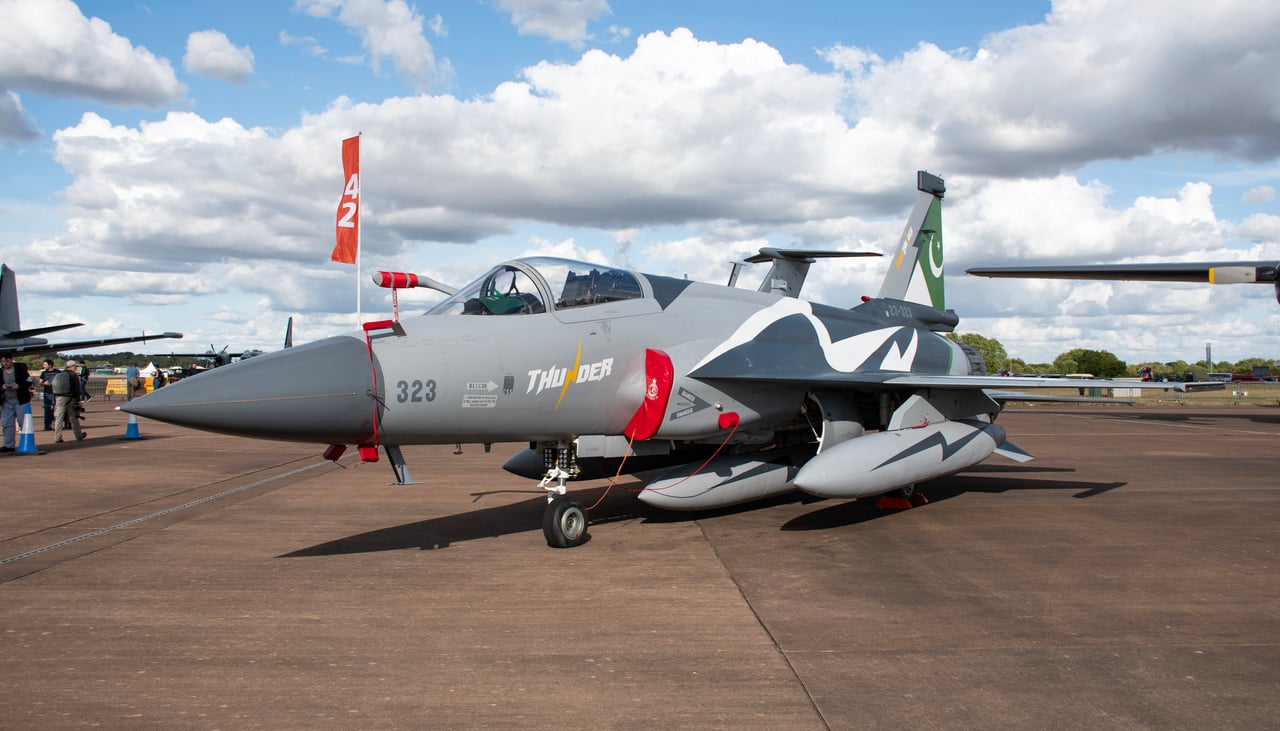
Pakistan’s military said on Wednesday 1 July 2026 that it had intercepted four drones launched from Afghanistan into Balochistan, the latest exchange in months of cross-border fighting between the neighbours. The Inter-Services Public Relations (ISPR) said the “hostile aerial platforms were immediately picked up by Pakistan’s robust air defence network” and neutralised, and described the launch as part of the Afghan Taliban’s “patronisation and support of terrorist outfits”. It warned that if the Taliban “continue to provoke Pakistan, they would receive a befitting response which would cost them heavily.”
The Afghan defence ministry said separately that it had carried out “air strikes” in Balochistan’s Pishin district and in parts of Khyber Pakhtunkhwa. It said the strikes targeted a centre it alleged was used to plan “subversive activities and attacks in Afghanistan”, that the casualties were among members of an Islamic State affiliate, and that no civilians were harmed. The Taliban’s military does not have fighter jets and lacks a fully functional air force, but it has used small drones in fighting with Pakistan, mainly in the border regions.
How the escalation built
The drone launches followed a deadly weekend attack in Karachi. On 27 June gunmen attacked a paramilitary compound in the city, killing three personnel; Jamaat-ul-Ahrar, a splinter faction of the Pakistan Taliban (TTP), claimed responsibility, and a suspect captured alive was identified as an Afghan national. Pakistan responded on 29 June with strikes in Paktia, Paktika and Kunar provinces, saying it killed 25 fighters. The Taliban government said at least 36 civilians died.
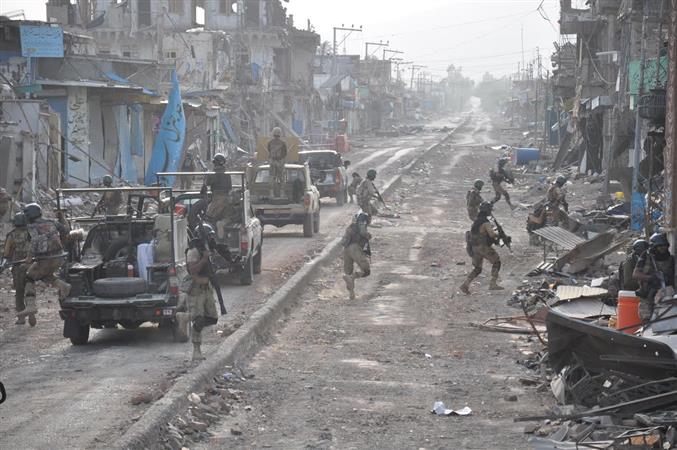
Pakistan-Afghanistan relations have been fraught since the Taliban took power in Kabul in 2021, and hundreds of people have been killed in cross-border fighting since February 2026, when Afghanistan launched retaliatory strikes after Pakistani air attacks inside Afghan territory. Pakistan declared “open war” on 27 February and launched Operation Ghazab-lil-Haq. The two sides’ conflict centres on Islamabad’s accusation that the Taliban government shelters armed groups behind attacks in Pakistan, particularly the TTP; Afghan officials deny the allegations and say Pakistan harbours hostile groups and does not respect Afghan sovereignty.
Why it matters
The exchange matters because it shows the border conflict is continuing despite earlier efforts to calm it. Chinese-mediated talks in Urumqi in April produced a measurable drop in Pakistani air strikes, but the lull lasted about two months before tensions resurfaced in June. Analysts warn the tit-for-tat strikes risk a wider escalation. The Pakistan Institute for Peace Studies recorded 699 “terrorist” attacks across the country in 2025, a 34 percent increase on the previous year, with at least 1,034 people killed. The United States-based Armed Conflict Location and Event Data project has documented at least a dozen drone launches into Pakistani territory since February.
What is still uncertain
Both sides’ accounts of the 1 July exchange rest on their own military statements and have not been independently verified. Pakistan described four “rudimentary” drones; the Afghan defence ministry described air strikes, a capability its air force is not known to possess. Casualty figures from the earlier strikes also remain contested: Pakistan said it targeted fighters, while Kabul reported civilian deaths. Pakistani officials have said they plan to pursue a strategy of “controlled escalation” that answers attacks from armed groups while being selective about retaliation against the Taliban government itself, but it is unclear how long that approach will hold.
Sources & reporting notes
This is a summary of published reporting, not independent reporting. Details are as carried by the cited sources, which were reviewed on 2026-07-01.
- Al Jazeera — "Pakistan says it intercepted four drones fired from Afghanistan"1 July 2026 · The ISPR statement on the four drones and its warning, the Afghan defence ministry's claim of air strikes in Pishin and Khyber Pakhtunkhwa, and the context of the Karachi attack and the 29 June Pakistani strikes.
- Al Jazeera — "After Afghanistan fires drones into Pakistan, what's next?"1 July 2026 · The sequence of the 27 June Karachi attack, the Urumqi talks, the PIPS and ACLED figures, and Pakistani officials' stated strategy of controlled escalation.