Reporting snapshot · 21 September 2026. Pakistan carried out airstrikes inside Afghanistan in the early hours of Monday, 21 September. This is breaking news: Pakistan's military had not issued a formal statement when this article was prepared, and the rival casualty claims — Pakistan reporting 28 suspected militants killed and Kabul reporting three civilians dead and four wounded — could not be independently verified. The account below is a dated snapshot drawn from Associated Press, Reuters and The Express Tribune.
What happened
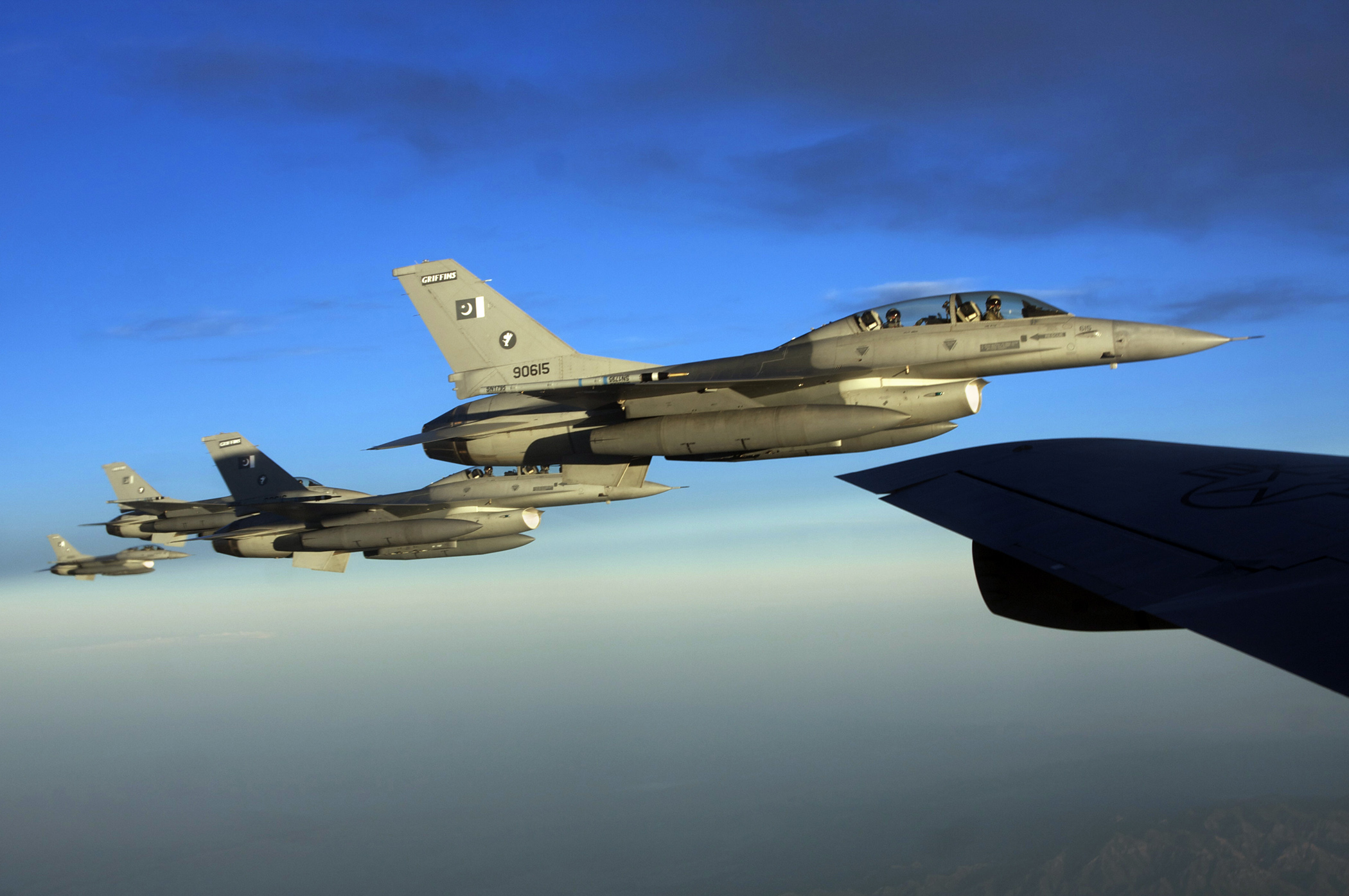
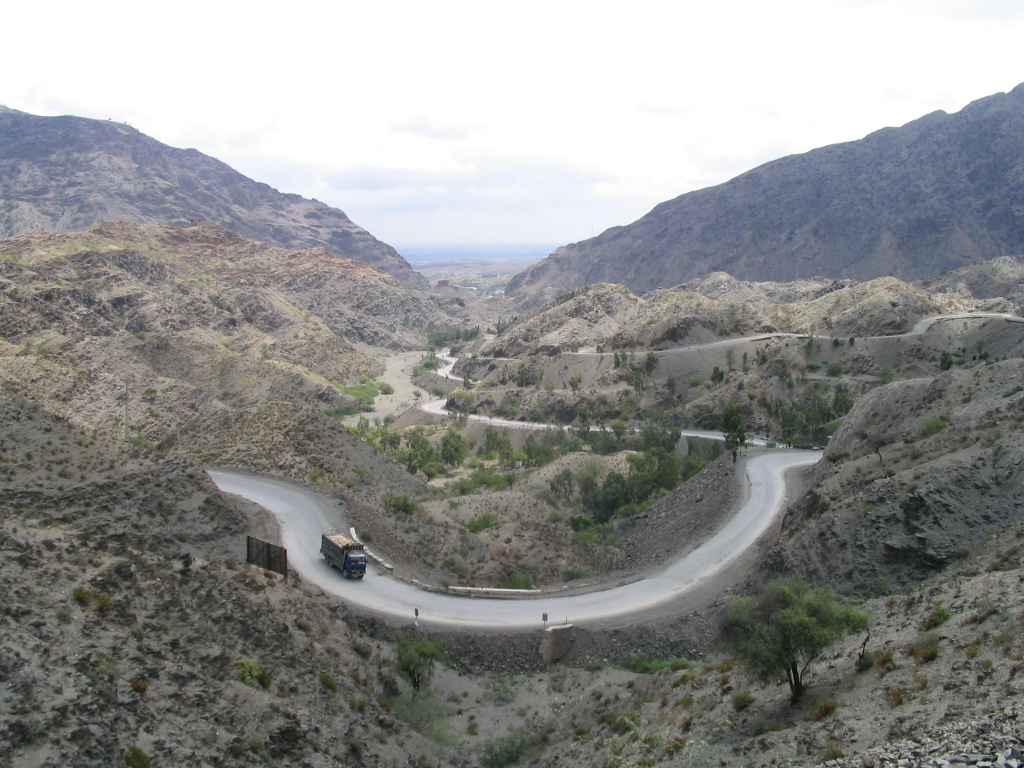
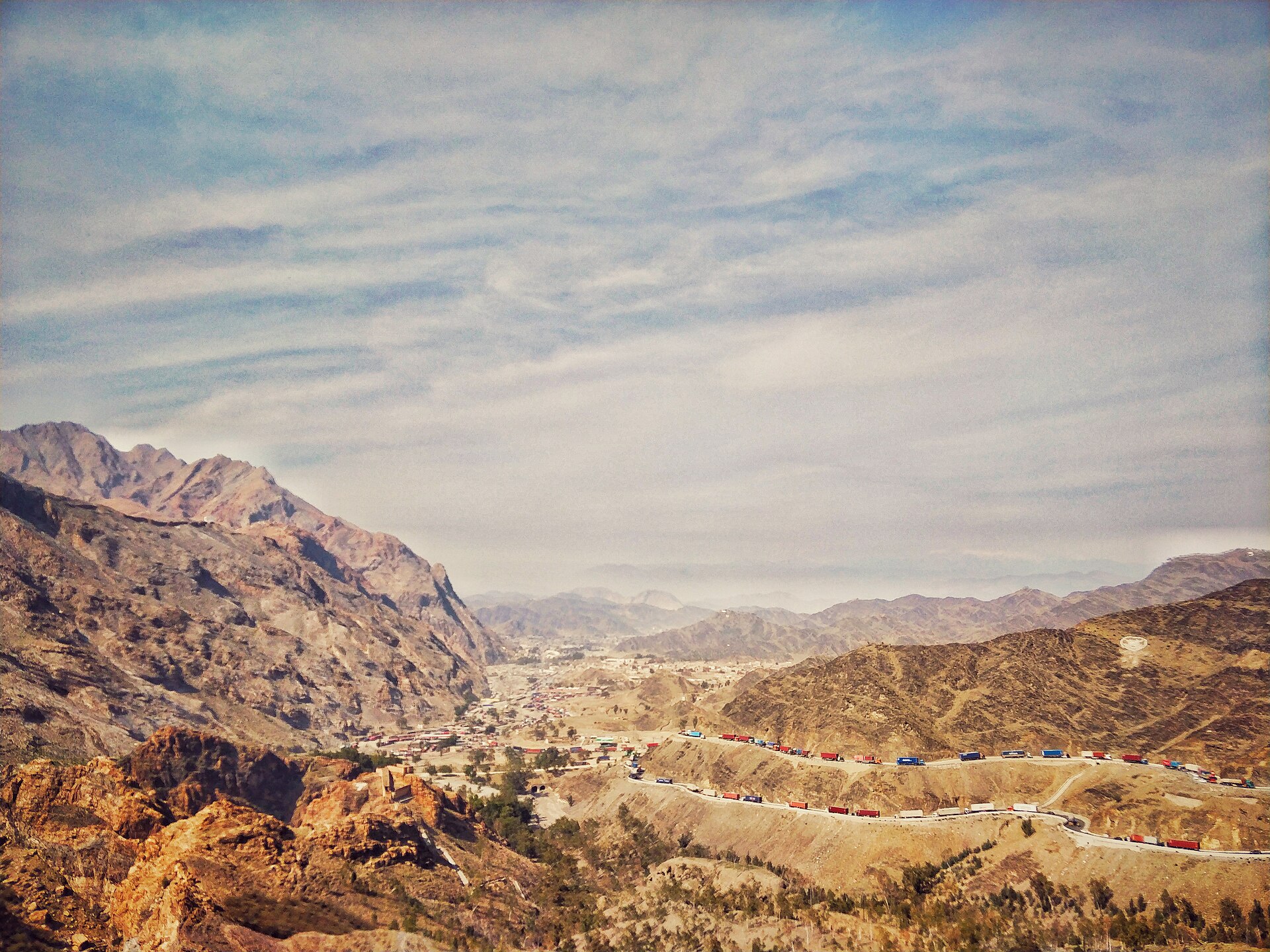
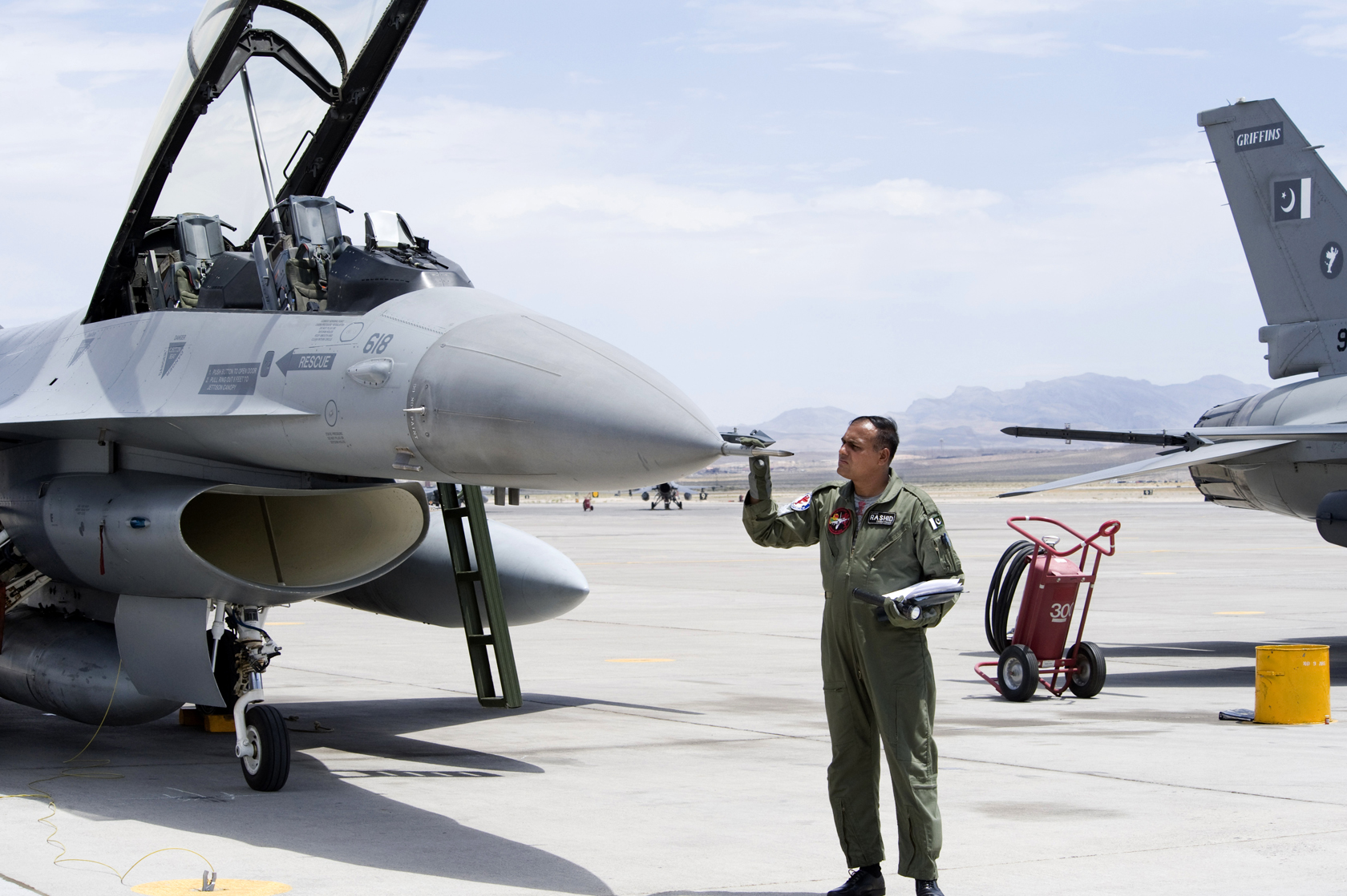
Pakistani fighter jets carried out airstrikes on what security officials described as suspected militant hideouts in eastern Afghanistan early on Monday, 21 September, two Pakistani security officials told the Associated Press on condition of anonymity. They said 28 suspected militants were killed in the strikes, which hit the Nurgal district of Afghanistan’s northeastern Kunar province and the Barmal district of Paktika province near the Pakistani border.
Afghanistan’s government disputed that account. Afghan deputy government spokesperson Hamdullah Fitrat said the strikes occurred around 3 a.m. in Nurgal and Barmal districts. Citing preliminary information, Fitrat said a home belonging to a villager named Noor Ahmad in Nurgal’s Pathan village was destroyed, killing Ahmad and two members of his family and wounding four relatives. He said strikes in the Rakhah and Tor Kundi areas of Barmal destroyed a shop and an unoccupied house but caused no casualties. Kabul said at least three civilians were killed and four others wounded.
Neither side’s casualty claims could immediately be independently verified, the Associated Press reported. The strikes threatened to reignite tensions between the neighbours “after nearly three months of relative calm”, Reuters reported, ending a near three-month pause in publicly reported Pakistani air operations inside Afghanistan.
Why the strikes happened now
The airstrikes followed two deadly attacks on Pakistani security forces in recent days. On Friday, 18 September, a suicide bomber struck a mosque inside the old Police Lines compound in Kohat, in Khyber Pakhtunkhwa, and gunmen stormed offices, setting off a 20-hour gunbattle that killed at least 21 people, most of them police, and wounded more than 100, an attack KhabarWire has covered in its Kohat reporting. The following day, 20 September, six Pakistani security personnel including two army officers were killed in an ambush on a convoy in Hangu.
Pakistan’s Information Ministry warned on Saturday, 20 September, that the country could strike militants inside Afghanistan in response to attacks in Pakistan. It blamed the Kohat attack on militants it said were based in Afghanistan, accused the Afghan Taliban government of sheltering and supporting groups that carry out attacks in Pakistan, and said Pakistan had “both the will and the capability to eliminate terrorist threats wherever they are”. The ministry called on Kabul to take “credible, verifiable and sustained measures” to dismantle what Pakistan describes as militant sanctuaries and recruitment and training networks in Afghanistan.
No group had claimed responsibility for the Kohat or Hangu attacks by the time of Monday’s strikes. Suspicion fell on the Pakistani Taliban, formally known as Tehrik-e-Taliban Pakistan, or TTP, which has intensified attacks on police and security forces in Pakistan in recent years. The TTP is separate from but allied with Afghanistan’s Taliban, which returned to power in 2021. Islamabad has repeatedly accused the Taliban government of sheltering TTP leaders and allowing militants to launch cross-border attacks; Kabul denies the allegations.
The Afghan Taliban’s response
Afghan Taliban government spokesman Zabihullah Mujahid condemned the airstrikes in a post on X and said there would be a response. “We condemn this aggression and oppression, regarding it as a repetition of such crimes,” he wrote. “Pakistani military circles have once again committed such a crime to divert attention from their country’s security failures.” Mujahid said three civilians — one woman and two men — were killed and four others wounded in Kunar, and that a house and a shop were struck in Paktika with no fatalities.
Mujahid’s condemnation came after he had warned on Saturday, in remarks reported on 18 September, that Afghanistan would defend its territory if Pakistan invoked Article 51 of the UN Charter to justify military action inside Afghanistan. He said Afghanistan had the right to defend its country and warned of a “crushing response” to any Pakistani strikes, while also voicing willingness to engage through dialogue and proposing a possible Saudi mediation role.
A fragile cross-border calm under strain
The strikes end a nearly three-month pause in publicly reported Pakistani air operations inside Afghanistan. The relationship between Islamabad and Kabul has been marked by repeated cross-border confrontations since the Afghan Taliban returned to power: Pakistan carried out strikes inside Afghanistan in late 2025 and repeatedly in 2026, including operations in February, March, June and late June, while Afghan and Pakistani forces have exchanged fire along the frontier. The United Nations Assistance Mission in Afghanistan has documented civilian casualties from such strikes in the past year.
The escalation also complicates a diplomatic track. The Express Tribune reported on 21 September that a fresh effort by Turkey and Qatar to ease tensions between Islamabad and Kabul was facing an immediate test after the Kohat attack, with Turkish intelligence chief Ibrahim Kalin having travelled to Kabul and then Islamabad, and a senior Qatari security official having visited the Afghan capital. China has also brought the two sides together through the Urumqi process. Pakistan has said it is willing to talk but wants Kabul to take verifiable action against the TTP, which Islamabad accuses of using Afghan territory to launch attacks inside Pakistan; the Taliban regime denies the allegations.
What is still uncertain
The most significant open question is the casualty toll, which differs sharply between the two sides. Pakistan’s figure of 28 militants killed comes from unnamed security officials and had not, at the time of writing, been confirmed in a formal statement from Pakistan’s military or Foreign Office. Kabul’s figure of three civilians killed and four wounded also had not been independently verified. Both numbers may be revised as reporting develops.
It is also unclear how deep inside Afghanistan the Pakistani jets flew, whether Afghan forces will retaliate across the border, and whether the strikes will end or further complicate the Turkish-Qatari and Chinese diplomatic efforts. As with all such operations, this is a dated snapshot: the military’s formal account, if one is issued, may add detail or change the picture.
Why it matters
The airstrikes are the most significant escalation in the Pakistan-Afghanistan relationship since the Kohat attack, which Pakistan attributed to militants operating from Afghan soil. They show that Islamabad, after warning it would act, has followed through with cross-border air operations for the first time in nearly three months, at a moment when the Kohat and Hangu attacks have put the security situation in Khyber Pakhtunkhwa at the centre of public attention.
For readers, the key questions are whether the toll is confirmed or revised, whether Kabul’s promise of an “appropriate response” materialises along the border, and what becomes of the Turkish-Qatari and Chinese mediation efforts now that a near-three-month pause in Pakistani air operations has ended.
Sources & reporting notes
This is a synthesis of published material, not eyewitness reporting. Sources were reviewed on 21 September 2026. This is breaking news and, in the absence of a formal statement from Pakistan's military at the time of writing, the casualty figures rest on official statements and reporting that could not be independently verified.
- Associated Press — Pakistan says airstrikes target militant hideouts in Afghanistan, killing 28. Kabul says 3 killed21 September 2026 · Primary reporting on the strikes, the two Pakistani security officials' account, Fitrat's details, the Information Ministry warning and Mujahid's condemnation.
- Reuters — At least three killed in Pakistani airstrike on Afghanistan, Tolo News reports21 September 2026 · Independent confirmation of the strikes and their context two days after the attack on a Pakistani police facility.
- The Express Tribune — The Pak-Afghan deadlock (Kamran Yousaf)21 September 2026 · Analysis of the Turkey-Qatar-China diplomatic track and how the Kohat attack complicated it.
- Dawn — Pakistan targets 'terrorist nests' along Afghan border29 June 2026 · Background on the 28-29 June strikes in Paktia, Paktika and Kunar, the most recent confirmed Pakistani air operations before 21 September.