Reporting snapshot · 22 September 2026. Deputy Prime Minister and Foreign Minister Ishaq Dar and Saudi Foreign Minister Prince Faisal bin Farhan signed the agreement on the sidelines of the 81st session of the UN General Assembly in New York. The agreement covers diplomatic, official and special passports; it does not change visa rules for ordinary or worker passports. Details beyond the signed agreement itself were not publicly released when this article was prepared.
What happened
Pakistan and Saudi Arabia signed an agreement on Tuesday to abolish visa requirements for holders of diplomatic and official or special passports, a step both sides said would make official travel easier and deepen institutional contact between the two countries.
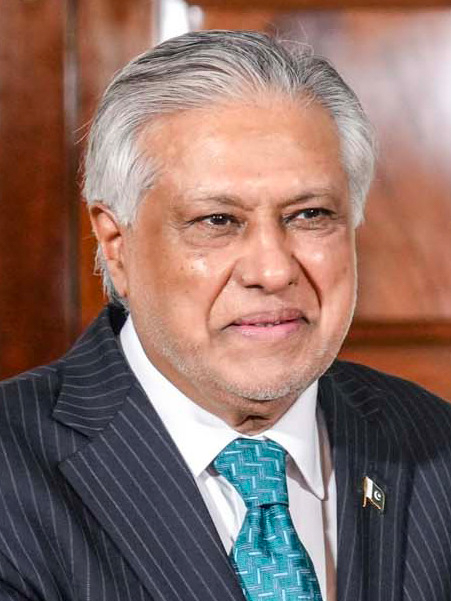
Deputy Prime Minister and Foreign Minister Ishaq Dar signed the agreement with Saudi Foreign Minister Prince Faisal bin Farhan on the sidelines of the 81st session of the United Nations General Assembly in New York, according to a post Dar published on X and reported by Radio Pakistan, Geo News and The News International.
Under the agreement, Pakistani citizens holding diplomatic passports and official or special passports will be able to travel to Saudi Arabia without obtaining a visa, Dar said. The reciprocal arrangement applies to holders of the corresponding Saudi documents travelling to Pakistan, as the agreement’s title — the Agreement between the Islamic Republic of Pakistan and the Kingdom of Saudi Arabia on the abolition of visa requirements for holders of Diplomatic and Official/Special Passports — indicates.
Dar described the step as one that would “further facilitate high-level engagement and institutional exchanges, and contribute to advancing our enduring and brotherly strategic partnership across all areas of mutual interest.”
Who the agreement covers
The visa waiver applies only to three categories of passport: diplomatic passports, official passports and special passports. It does not cover ordinary Pakistani passports, including those held by the more than two million Pakistani workers and residents in Saudi Arabia, who continue to follow the kingdom’s standard work-visa and residency procedures.
Diplomatic and official passports are issued in Pakistan through the Ministry of Foreign Affairs and related channels to accredited diplomats, senior officials travelling on state business and designated office holders. The practical effect of the waiver is that these travellers will no longer need a separate visa for each visit, removing a step that previously applied even to official delegations.
The announcement did not include a start date for the waiver or technical implementation details. Saudi Arabia had previously moved towards reciprocal visa arrangements with a number of partners, and the exact mechanics — including whether the waiver applies on arrival or is implemented administratively in advance — had not been published when this article was written.
Why it matters
The visa waiver is a practical marker of the pace at which Islamabad and Riyadh have moved to institutionalise their relationship over the past year. It arrives as Pakistan’s leadership is in New York for the UN General Assembly, where the deepening of ties with Gulf states has been a consistent theme.
The agreement follows a series of steps that have drawn the two countries closer. In August, Pakistan, Saudi Arabia and Turkiye signed the Makkah Joint Defence Agreement, establishing a framework for collective security cooperation, and the pact’s Strategic Political and Defence Committee held its inaugural meeting in Istanbul on August 31. In late August, Prime Minister Shehbaz Sharif told a visiting Saudi business delegation, led by Prince Mansour bin Mohammad Al Saud, that Pakistan wanted to elevate its economic relationship with Riyadh into a mutually beneficial strategic economic partnership, with Saudi interest flagged in agriculture, ports, highways, airport outsourcing, real estate, energy, power distribution and information technology.
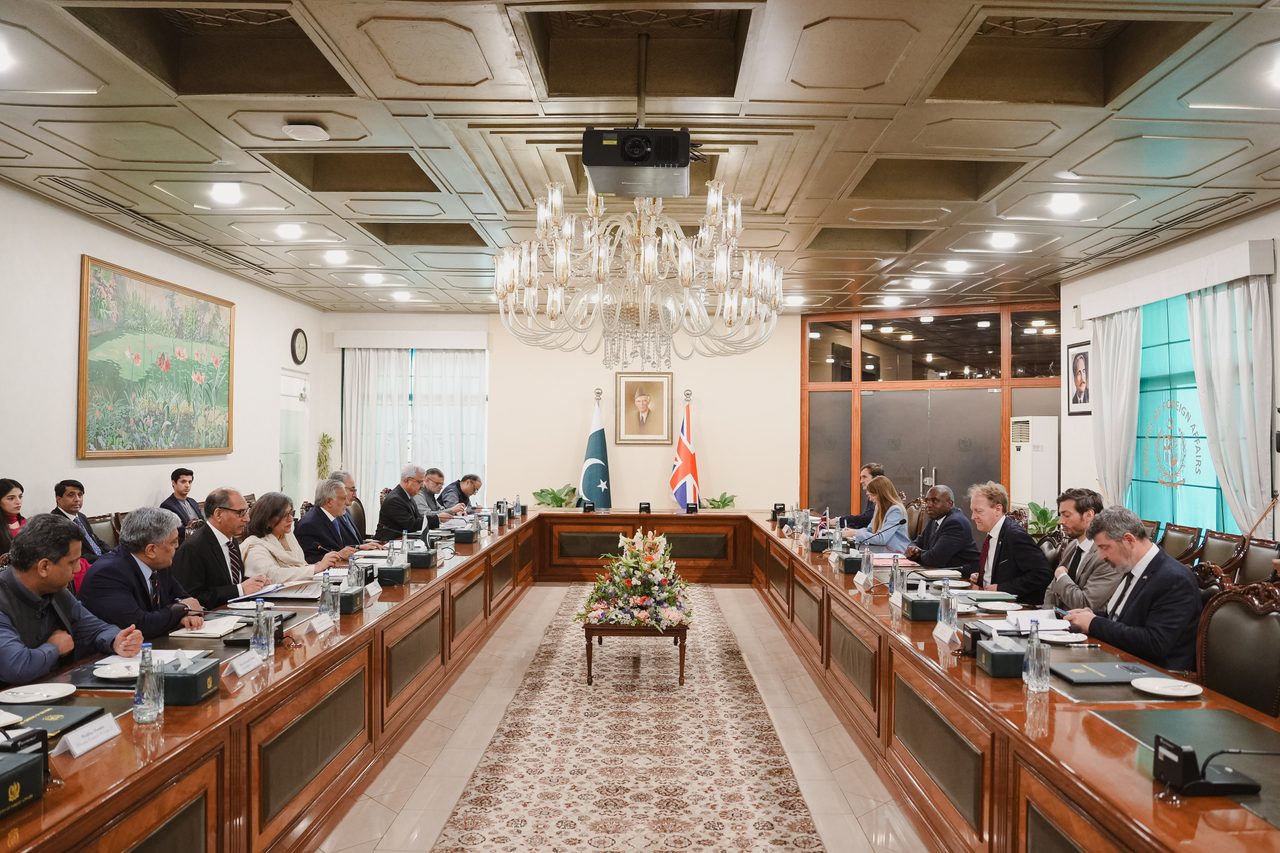
The visa waiver eases the practical mechanics of those exchanges. Government-to-government contact — committee meetings, ministerial visits, defence consultations and investment negotiations — depends on officials and technical delegations being able to travel quickly. Removing a visa requirement for official passports lowers a friction point that previously accompanied every such visit.
The broader context is strategic as much as administrative. Saudi Arabia remains Pakistan’s largest source of remittances and a key partner in energy and investment, while the Makkah pact has committed Islamabad to a defined security role in the region. The two countries have also been navigating the wider Middle East crisis, with Pakistan reiterating its support for Saudi Arabia amid Houthi attacks, and Riyadh hosting large Pakistani migrant communities whose remittances anchor Pakistan’s external accounts.
What is still uncertain
Several details of the agreement remain to be clarified. The government has not published the full text, the operational start date, or guidance on how the waiver will be implemented at airports and land borders in either country. Dar’s statement did not specify whether the waiver extends to the families of diplomatic and official passport holders, who are sometimes covered separately in such arrangements.
The practical reach of the agreement is also narrow in one respect: it changes nothing for ordinary Pakistani travellers. Anyone seeking an explanation of Saudi work-visa or family-visit rules will not be affected by this step. That distinction matters for a publication whose readers include large numbers of Pakistani workers in the Gulf.
None of the reporting outlets cited here indicated any dispute or delay over the agreement, and both governments presented the signing as routine and completed. The remaining uncertainty is largely technical and administrative rather than political.
Next steps
Both foreign ministries are expected to publish implementation guidance in the coming days, including how the waiver will be recorded in travel systems. The agreement adds to the schedule of bilateral activity around the UN General Assembly, where Dar has held a series of meetings with counterparts. Pakistan’s engagement with Saudi Arabia — economic, strategic and now administrative — is likely to remain a steady thread through the rest of the year.
Sources & reporting notes
This is a synthesis of published material, not eyewitness reporting. Sources were reviewed on 22 September 2026.
- Radio Pakistan — Pakistan, KSA sign visa waiver agreement for diplomatic passport holders22 September 2026 · Official government record confirming the signing and Dar's announcement on the UNGA sidelines.
- Geo News — Pakistan, Saudi Arabia sign pact to waive visas for diplomatic, official passport holders22 September 2026 · Independent report on the signing and the scope of the waiver.
- The News International — Pakistan, Saudi Arabia end visa requirement for official passport holders22 September 2026 · Independent report placing the waiver within the wider strategic partnership.
- Dawn — Pakistan, Saudi sign agreement to abolish visa requirements for official, diplomatic passports22 September 2026 · Independent report quoting Dar's statement on the agreement.
- Arab News Pakistan — Pakistan, Saudi Arabia sign visa waiver agreement for diplomatic, official passport holders22 September 2026 · Independent report on the formal title and scope of the agreement.
.jpg)