.jpg)
What happened
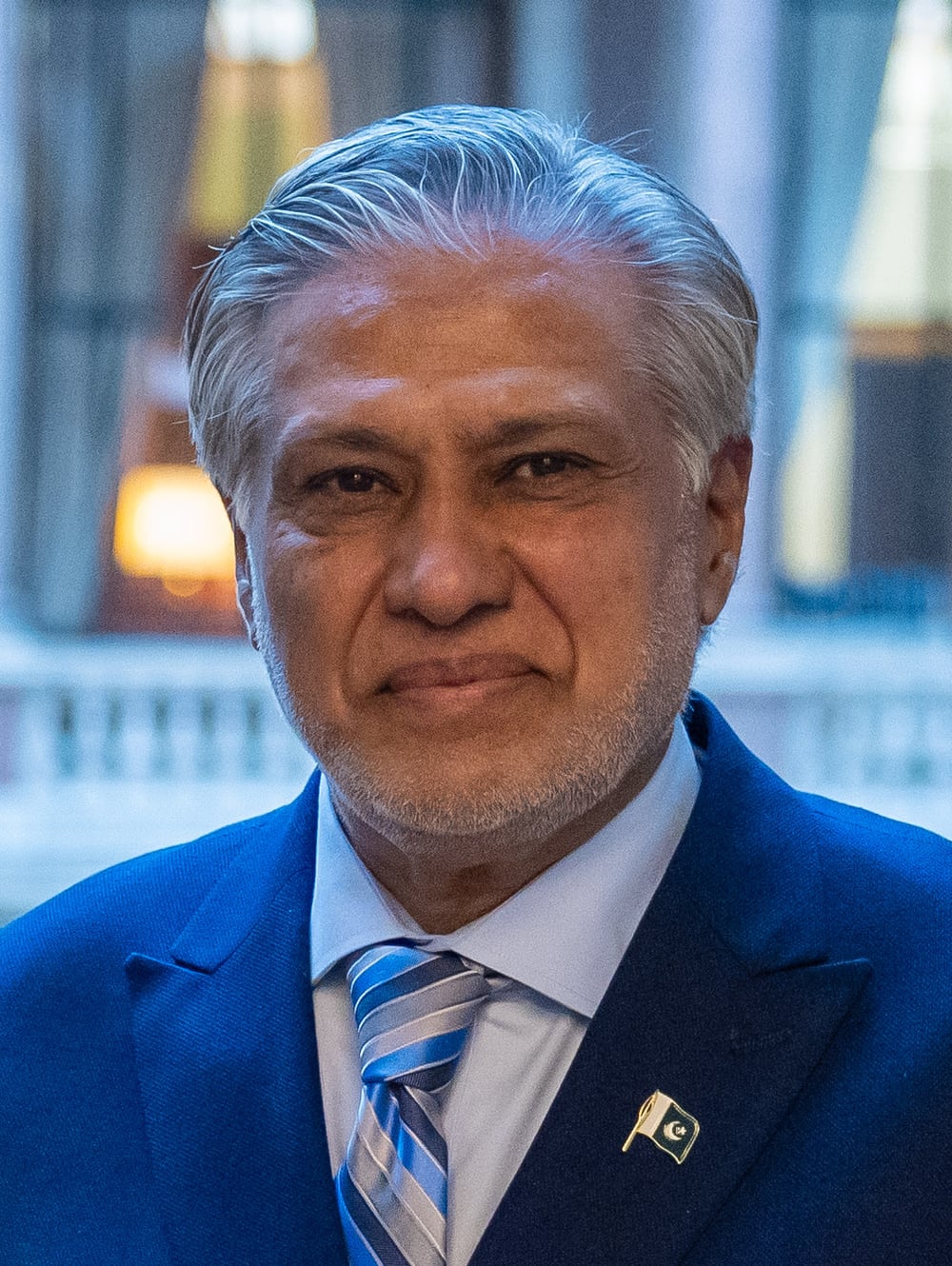
Deputy Prime Minister and Foreign Minister Ishaq Dar said on Monday, 2 March 2026, that Pakistan was making “full diplomatic efforts” to de-escalate the crisis triggered by joint United States and Israeli strikes on Iran, and confirmed that a Pakistani national had been killed in an Iranian retaliatory attack on Abu Dhabi.
Briefing foreign envoys at the Foreign Office in Islamabad, Dar called the past 72 hours “very, very worrisome” and said the escalation had “significantly heightened tensions in an already volatile and fragile environment.” Pakistan, he said, was “requesting all parties to de-escalate and refrain from this process,” and stood “ready to extend support towards peaceful resolution of outstanding issues.”
Pakistan’s position
Dar said Pakistan was “concerned over the violation of norms as well as international law” because “heads of state and the government have been targeted,” a reference to the killing of Iran’s Supreme Leader Ayatollah Ali Khamenei in the opening strikes. He said he had spoken with Iranian Foreign Minister Abbas Araghchi on 28 February, conveying Pakistan’s condemnation of the attacks and calling for diplomacy, restraint and dialogue, to which Araghchi responded positively. Pakistan’s permanent representative at the United Nations Security Council also reiterated the condemnation, Dar said.
At the same time, he said, Pakistan “regretted and condemned” Iran’s retaliatory strikes against Saudi Arabia, Bahrain, Jordan, Kuwait, Qatar, the United Arab Emirates and Oman. He noted that Gulf states host millions of Pakistanis and expressed regret over the death of a Pakistani national in the attack on Abu Dhabi, saying Pakistan’s missions in the region were “fully engaged with the diaspora” and coordinating with local authorities.
Mediation and the road ahead
Dar recalled earlier rounds of United States-Iran talks, including in Geneva and Oman, and said the Omani foreign minister was “absolutely satisfied” with the negotiations, as were the IAEA authorities whom Pakistani leaders had met in Austria ten days earlier. “So it is puzzling that what necessitated all of a sudden the decision to attack,” he said. Pakistan, he added, had been encouraging both sides toward a “viable, win-win” outcome and believed it was “very close in counselling both countries.”
Prime Minister Shehbaz Sharif, meanwhile, spoke by telephone with Sultan Haitham bin Tariq of Oman and praised Muscat’s mediating role, saying the strikes had derailed a delicate diplomatic process. The US Mission in Pakistan separately announced an immediate halt to operations at its Peshawar consulate and the cancellation of visa appointments at its missions in Karachi and Lahore, citing the security situation.
What is still uncertain
It was not clear whether Pakistan’s mediation would produce a new round of direct United States-Iran talks, when the US consular closures would be lifted, or whether Islamabad would formally take up the killing of its national in Abu Dhabi with the Emirati and Iranian authorities. Dar named no date or venue for any future negotiations.
Sources & reporting notes
This is a synthesis of published material, not eyewitness reporting. Sources were reviewed on 2026-03-03.
- The News International — Pakistan in touch with US, Iran: DarPublished 2 March 2026 · Dar's briefing to foreign envoys, the Abu Dhabi death, the Oman and IAEA mediation context, PM Shehbaz's call with the Sultan of Oman and the US consular suspensions.
- Dawn — Pakistan making 'full diplomatic efforts' to de-escalate situation in Middle East, says DarPublished 2 March 2026 · Dar's condemnation of the strikes, the call with Araghchi, the UNSC statement and the rebuke of Iran's strikes on Gulf states.
- Pakistan Today — Pakistan calls for de-escalation amid US-Israel strikesPublished 2 March 2026 · Dar's "very, very worrisome" remarks, the win-win mediation line and the expression of regret over the Pakistani national's death.