Reporting snapshot · 31 October 2026 (Asia/Karachi). The figures come from a written reply the Ministry of National Health Services gave the National Assembly, reported on 31 October, rather than from a published dataset. The reply records registrations, not the number of new infections, and it does not say how or when the children acquired HIV. The reports do not include the full document or a provincial treatment breakdown.
What the ministry told parliament
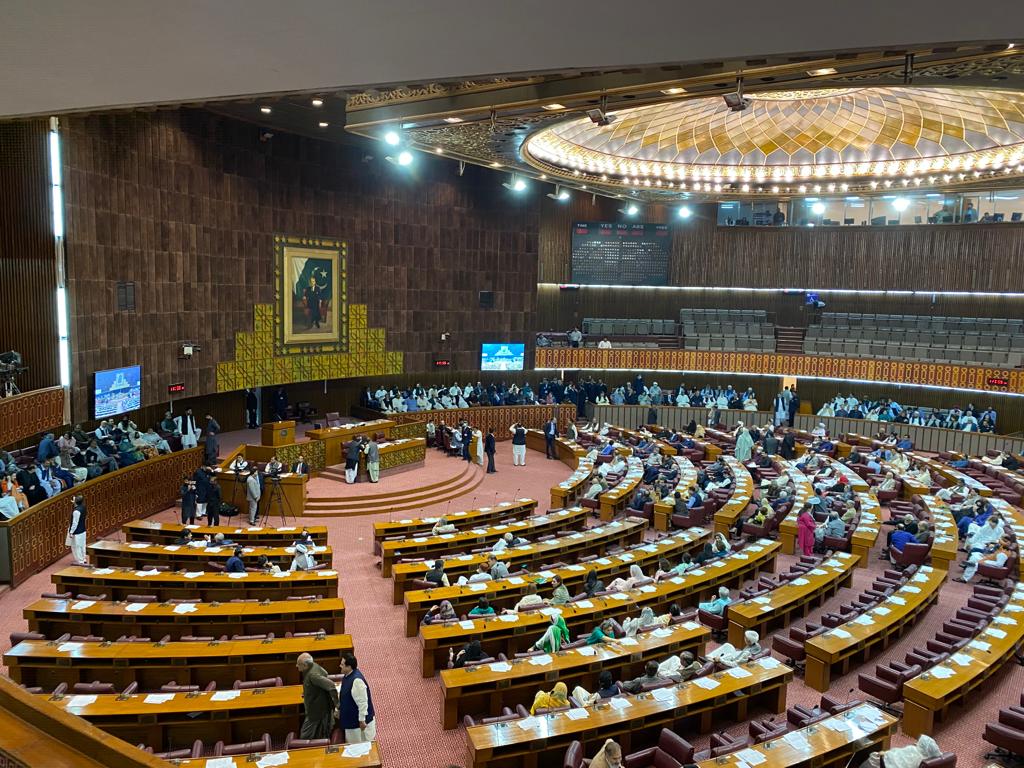
Pakistan’s Ministry of National Health Services told the National Assembly that 3,900 children tested positive for HIV between January 2025 and June 2026, with Sindh and Punjab accounting for 3,680 of the registrations, according to The Express Tribune and Geo News.
The province-by-province figures, which Geo News reported citing The News, put Sindh at 1,915 registrations and Punjab at 1,765. Khyber Pakhtunkhwa recorded 139, Balochistan 46, Islamabad 30, Azad Jammu and Kashmir four and Gilgit-Baltistan one. The Express Tribune reported the same national total and the 3,680 combined figure for the two largest provinces.
The reply also estimated that 417,214 people were living with HIV in Pakistan, of whom 92,148 had been registered with the authorities and 67,878 were receiving antiretroviral treatment. The national treatment network had grown to 113 centres, including 15 added in Sindh this year, and HIV testing had risen from 37,944 people in 2020 to 374,126 in 2025, according to the figures.
The reply cited World Health Organization and UNAIDS estimates showing annual new HIV infections had risen from about 16,000 in 2010 to 48,000 in 2024, an increase of around 200 per cent. It described the epidemic as concentrated, with general-population prevalence below 0.1 per cent, while Pakistan remains among the countries with the fastest-growing HIV epidemics in the Eastern Mediterranean region, Geo News reported.
Why the paediatric registrations matter
The 3,900 figure is the central new element in the disclosure because it covers children alone and a period of only 18 months. It works out to an average of about 217 children a month, although the reply does not give a monthly breakdown or say whether the pace changed over the period.
It is a registration count, not an estimate of how many children were newly infected. The ministry’s own estimate of 417,214 people living with HIV is more than four times the 92,148 people registered, and only 67,878 are on treatment. On those numbers, the 3,900 children are a floor for the paediatric caseload rather than a full count, and the treatment gap is wider than the registration gap alone suggests.
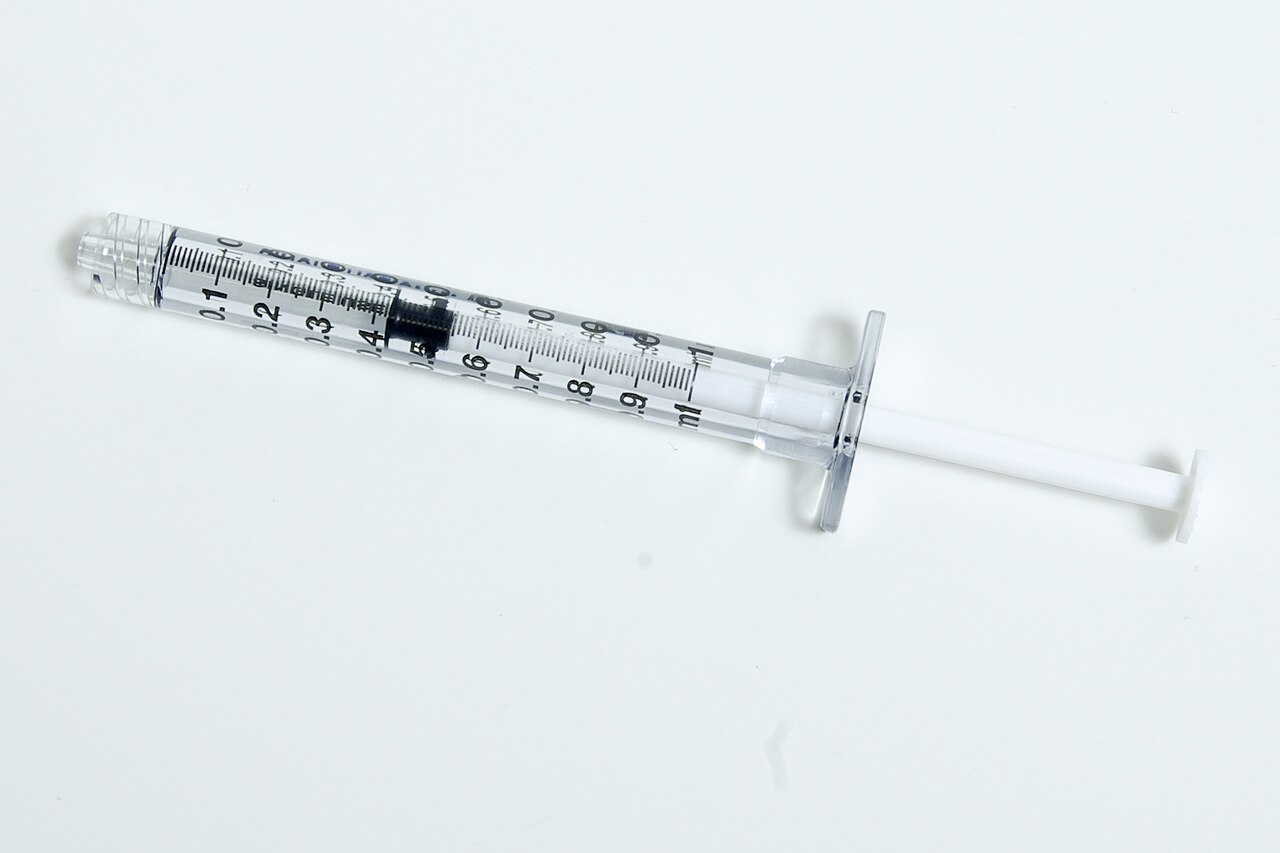
The figures also need to be read separately from the outbreak at Karachi’s Kulsum Bai Valika Hospital. A federal inquiry found that repeated use of a single syringe on newborns caused that outbreak, and KhabarWire reported in July that 120 people linked to the hospital had tested positive. The National Assembly reply covers all provinces and 18 months, and it does not separate outbreak-linked children from other paediatric infections.
The ministry described several measures alongside the numbers. It said a case-based national HIV dashboard was operating, but Punjab’s separate system was still being integrated. It listed pre-surgical screening, contact tracing, screening at 14 points of entry and a phased move to reuse-prevention syringes, with restrictions on conventional syringes up to 10cc due to take effect on 1 January 2027.
The wider burden behind the numbers
The HIV figures were part of a broader public-health disclosure. The same reply put 12.9 million people in Pakistan living with hepatitis B or C, including about nine million with hepatitis C and 3.86 million with hepatitis B. It cited more than 48,000 hepatitis-related deaths a year and more than 88,000 new hepatitis C infections in 2024.
The World Health Organization’s Pakistan office said in July that Pakistan carries nine million of the 47 million estimated hepatitis C cases worldwide, the heaviest burden of any country, and that only three in 10 people affected know their status. The WHO said the high burden is largely the result of historical health-care-associated transmission, particularly the reuse of needles and unsafe blood transfusions.
The ministry said a Rs67.77 billion federal-provincial programme aims to screen 82.5 million people and treat confirmed cases by June 2027, with elimination of hepatitis C as a public health threat targeted for 2030. KhabarWire reported in May that the health ministry and NADRA had signed a memorandum to digitise the hepatitis C programme’s patient registration and data sharing; the new reply does not say how far that system has progressed.
The disclosure also covered mental health. The ministry estimated that 32.4 million people were living with mental health conditions in 2023, up from 30 million in 2019, and counted 1,050 registered psychiatrists nationwide, or about one for every 245,400 people. It said figures for clinical psychologists and other trained mental-health professionals were unavailable.
What is still uncertain
The main limitation is that the reply records registrations, not infections. It does not give the children’s ages, how or when they acquired HIV, whether they are receiving treatment, or how many of the 3,900 are linked to the Valika outbreak or to other known clusters. Without that breakdown, the figure cannot be used to measure the current rate of transmission.
The full document was not included in the reports, and the ministry has not released the underlying provincial tables or a statement setting out its interpretation. No independent verification of the figures was included in the reporting.
Provincial coverage may be uneven. The ministry said Punjab’s HIV dashboard was still being integrated into the national system, which means the provincial figures may not be complete or may be revised. The hepatitis totals are WHO estimates rather than the result of a new nationwide survey, and the 2030 elimination target depends on funding and delivery by provincial governments.
What to watch
The next check is whether the ministry publishes the full reply and a province-by-province treatment breakdown, including how many of the 3,900 children are on antiretroviral treatment. The syringe restrictions due on 1 January 2027 and the hepatitis screening programme’s progress will show whether the registration data is matched by delivery.
For readers following the Valika outbreak, the question is whether the national dashboard captures the children identified there and whether they are counted in the 3,900. KhabarWire’s report on the federal inquiry into the outbreak sets out what officials found about the cause; the new figures show the scale of the wider problem the health system is still counting.