What happened
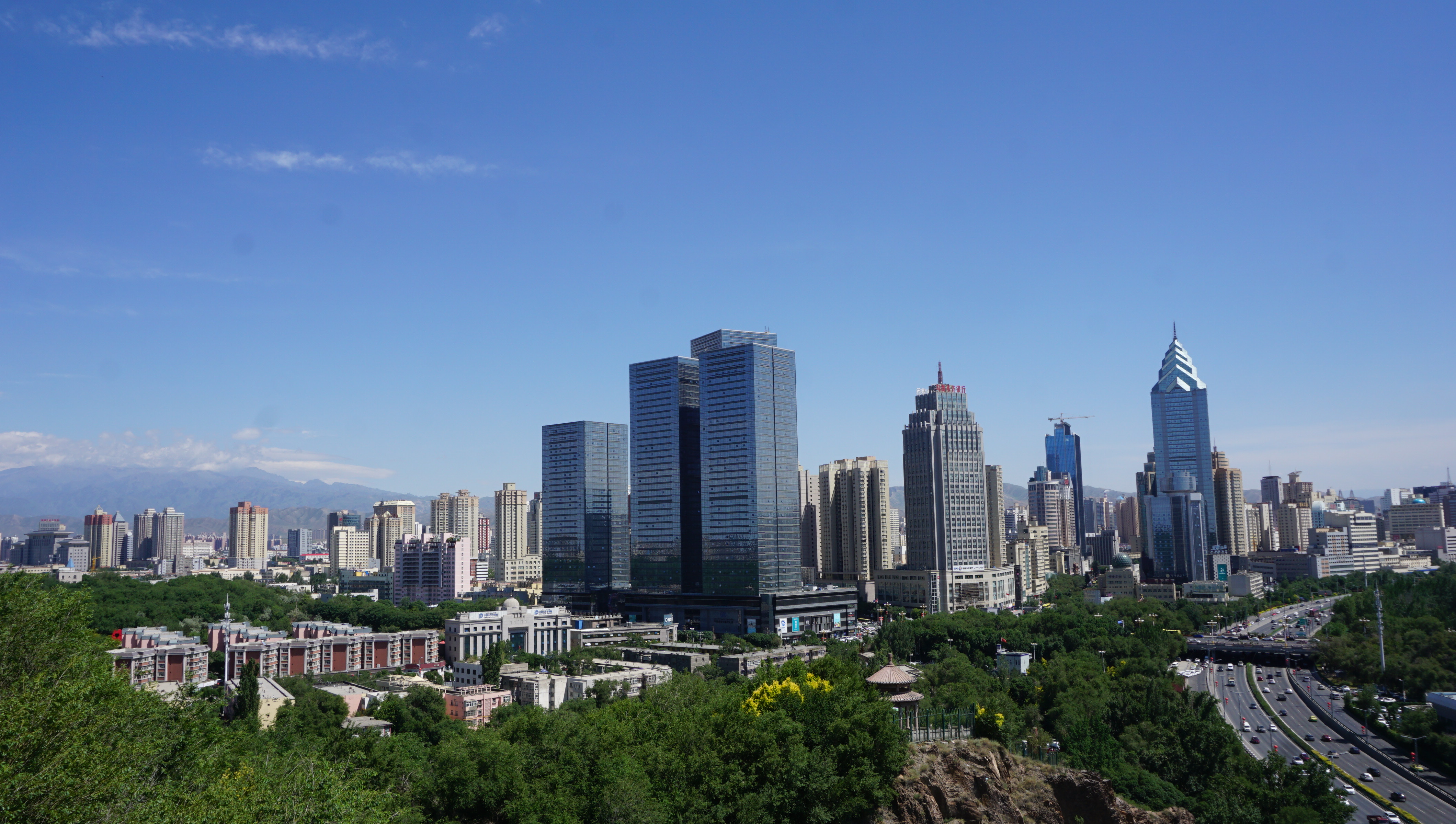
Officials from Pakistan, Afghanistan and China sat down on Wednesday, 1 April 2026, in Urumqi under the trilateral mechanism the three governments set up to manage the border dispute between Islamabad and the Afghan Taliban, Dawn reported. It was the first formal contact since Pakistan launched Operation Ghazab lil-Haq on 26 February.
A senior Foreign Office official told Dawn the meeting was not “a mediation effort per se.” The session focused on sharing perspectives on the latest escalation, with no major outcomes expected, although Beijing pushed for confidence-building measures including reopening bilateral trade routes. The Pakistani delegation was led by the additional secretary of the Afghan desk, joined by military and intelligence officials. The Afghan side drew on the interior and foreign ministries and Afghanistan’s General Directorate of Intelligence.
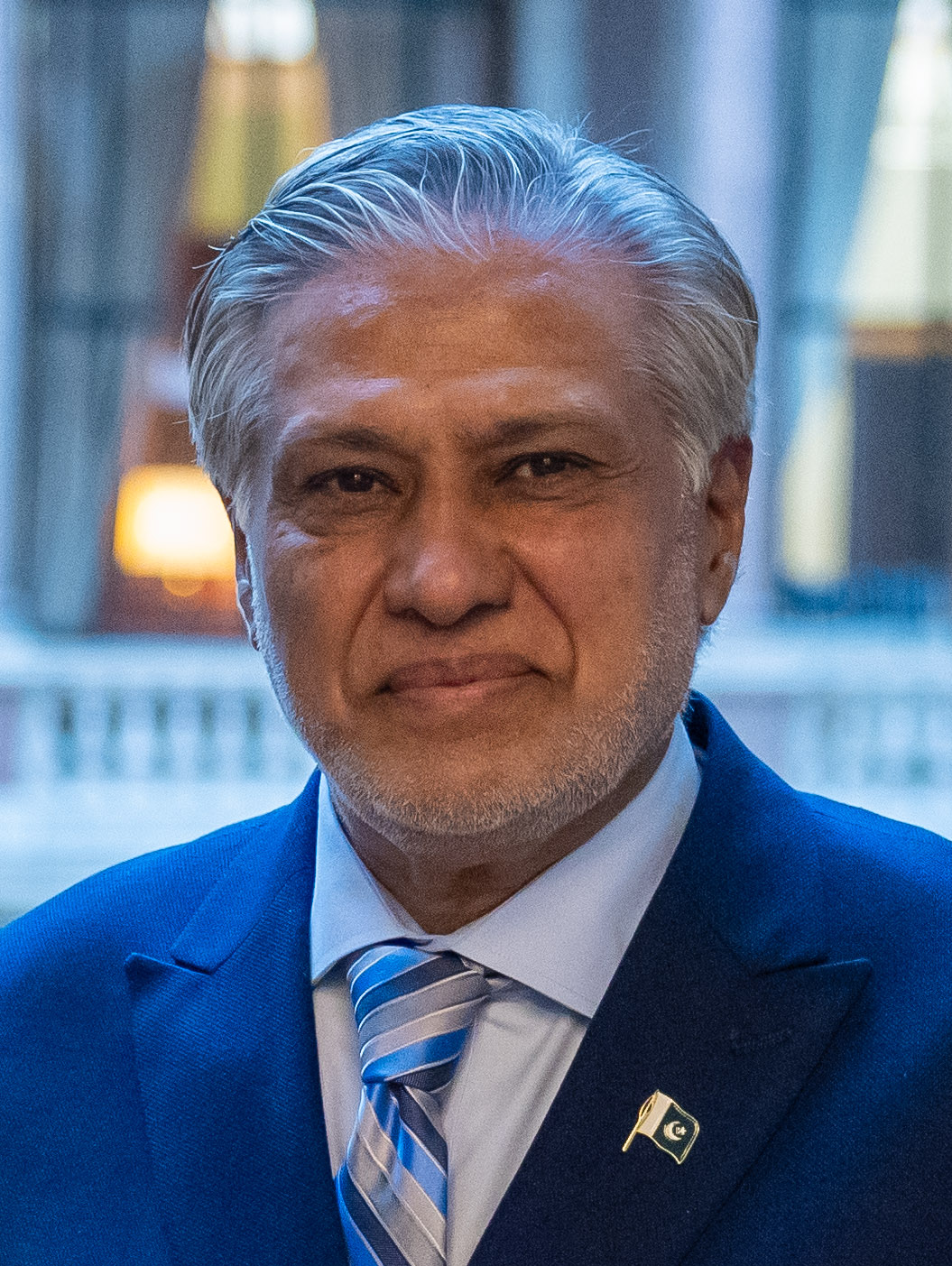
Pakistan’s agenda, Dawn’s diplomatic sources said, was to reiterate concerns about Tehreek-i-Taliban Pakistan (TTP) sanctuaries on Afghan soil; the Afghan side signalled willingness to engage but maintained TTP actions inside Pakistan are not its responsibility. Another Pakistani official said Beijing had requested Deputy Prime Minister Ishaq Dar, in the Chinese capital on Tuesday, to facilitate Islamabad’s participation because Kabul asked China to bring Islamabad to the table. China, the official added, has concerns about the East Turkestan Islamic Movement (ETIM). Dar and Chinese Foreign Minister Wang Yi had issued a five-point initiative in Beijing on 31 March for halting the US-Iran war and reopening the Strait of Hormuz.
Why it matters
The session lands four weeks into the Eidul Fitr pause in Operation Ghazab lil-Haq — the temporary five-day halt Pakistan announced for Eid on 18 March — and a month after the military publicly declared it was in “open war” with the Afghan Taliban. Dawn reported on 26 March that the Foreign Office framed the pause as concluded but operations would continue “until their objectives are achieved.”
The trilateral channel matters because it is the only formal venue in which the Afghan Taliban, the Pakistani state and a major power are speaking on the border question. Beijing’s role — both convener and party with its own ETIM concerns — gives the talks a stake that survives any single round collapsing. Dawn’s sources described Wednesday’s session as “exploratory.”
The Chinese foreign ministry confirmed the talks on Friday, 3 April. Spokesperson Mao Ning told reporters that “the consultation process is being steadily implemented and advanced,” and that the three parties had “reached consensus and arrangements on a specific operational mode, including media coverage,” according to The Associated Press.
What is still uncertain
It was unclear on Wednesday whether the session produced any commitment on TTP verification — the long-standing Pakistani ask — or simply reset the diplomatic calendar. The senior Pakistani official’s framing as “not mediation per se” suggested Pakistan does not yet read the Afghan side as ready to deliver a verifiable TTP mechanism. The Afghan Taliban’s position that TTP actions inside Pakistan are not its direct responsibility remained unchanged. The Associated Press reported on Friday that a suicide bomber rammed an explosives-laden vehicle into a Bannu police station late on Thursday, killing at least five — a reminder that confidence-building measures still have to translate into operational reality on the ground.