What happened
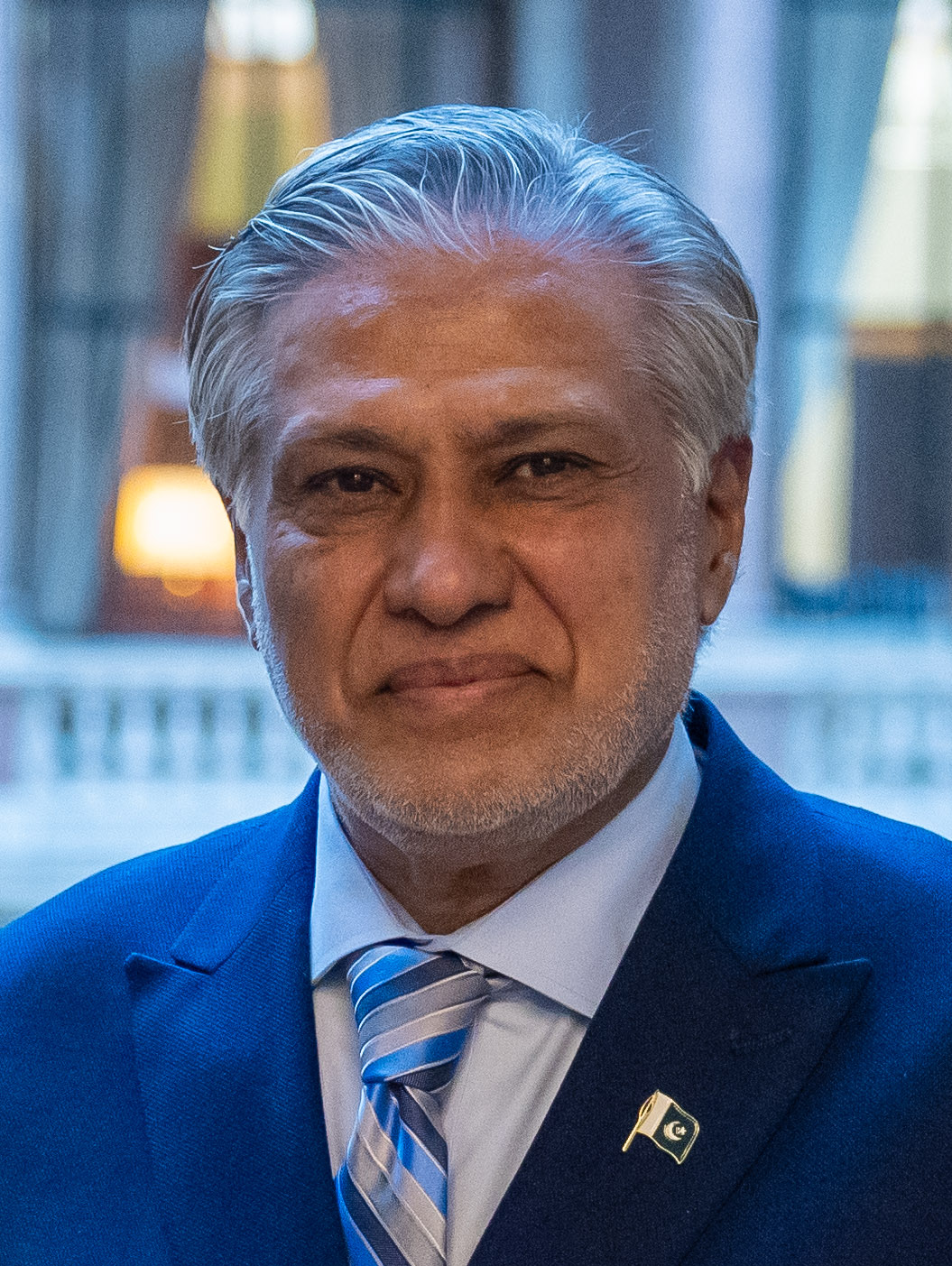
Deputy Prime Minister and Foreign Minister Ishaq Dar travelled to Beijing on Tuesday, 31 March 2026, at the invitation of his Chinese counterpart Wang Yi, and the two men issued a five-point peace initiative for the Gulf and the Middle East at the end of the meeting, the Foreign Office said. The plan was published as the US-Israeli war on Iran entered its fifth week, Dawn reported.
The five points called for an “immediate cessation of hostilities”; unhindered humanitarian access; the launch of peace talks “as soon as possible”; the protection of “sovereignty, territorial integrity, national independence and security of Iran and the Gulf states” under international law, with dialogue as “the only viable option”; and the security of non-military targets and shipping lanes, with the Strait of Hormuz restored to “normal passage” as soon as possible, Dawn’s news desk account said. A final point endorsed “true multilateralism” and the “primacy of the United Nations” in any peace framework.
The Foreign Office said both sides reaffirmed the “all-weather strategic cooperative partnership” as Pakistan and China marked 75 years of diplomatic ties, Dawn noted. Chinese foreign ministry spokeswoman Mao Ning said the two ministers would “strengthen strategic communication and coordination on the Iran situation,” per Dawn. In January, Dar had arrived in Beijing to co-chair the seventh Pakistan-China strategic dialogue with Wang Yi.
Why it matters
The plan lands four days after the Quadrilateral FM meeting of Pakistan, Saudi Arabia, Turkiye and Egypt in Islamabad on 29 March, where the four said both Iran and the US had “expressed confidence” in Pakistan to facilitate talks, Dawn reported. It follows the 27 March phone call in which Wang told Dar peace talks would be “conducive to restoring normal navigation through the Strait of Hormuz,” per the Chinese readout in Dawn.
The five points are notable for what they do not say. There is no endorsement of the US-Israeli position on Iran, no reference to non-proliferation, and no call for regime change; the language on “sovereignty” reads as a signal to Tehran. The Strait-of-Hormuz line addresses the pressure point both the US and Iran have publicly tied to the war’s end-state.
The Guardian noted that “Pakistan continues to push for the role of peacemaker between the United States and Iran, even as the war shows little sign of relenting,” while Axios reported it was “unlikely that the Pakistanis — the key mediator between the U.S. and Iran — would launch such an initiative with China if the U.S. opposed it.”
What is still uncertain
It was not clear whether Washington or Tehran had received the five points before Dar’s plane left Beijing. Iran had, on Monday, signalled through its Supreme National Security Council that it would only negotiate on the basis of its own demands, including lifting all primary and secondary sanctions, Dawn’s War Diary noted. The White House had no public reaction and the State Department had not set a date for direct talks.