What happened
Pakistan’s National Disaster Management Authority, working with the National Emergencies Operation Centre, issued a nationwide alert on 16 May 2026 warning of thunderstorms, heavy rainfall and hailstorms across much of the country from Monday 18 May through Friday 22 May.
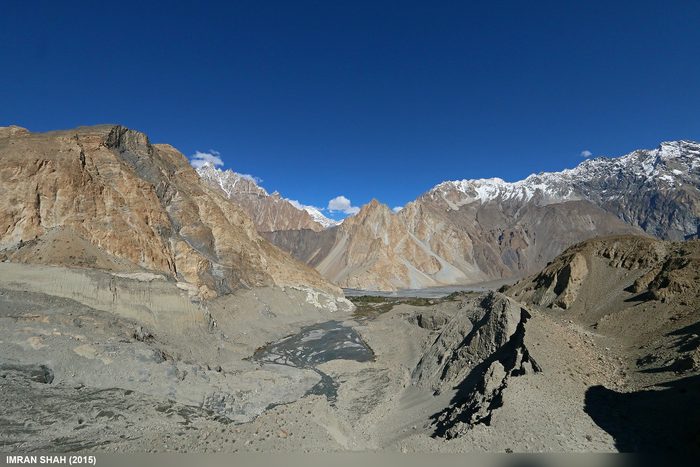
The authority cautioned citizens and provincial administrations about a heightened risk of flash floods, landslides and glacial lake outburst floods, particularly in the northern regions, which it attributed to rising temperatures and accelerated glacier melting. It said strong winds, rain and isolated hailstorms were likely to affect Islamabad, Punjab, Khyber Pakhtunkhwa, Sindh, Balochistan, Gilgit-Baltistan and Azad Jammu and Kashmir.
The advisory listed likely affected areas across the provinces. In Punjab, rain and thunderstorms were forecast for Murree, Rawalpindi, Attock, Chakwal, Jhelum, Sialkot, Gujrat, Gujranwala, Narowal, Mandi Bahauddin, Lahore, Sheikhupura, Faisalabad, Sargodha, Sahiwal and Okara, with heavy rainfall and isolated hailstorms possible in Islamabad and adjoining areas. In Gilgit-Baltistan and Azad Kashmir, rainfall and thunderstorms were expected in Gilgit, Skardu, Hunza, Nagar, Ghizer, Diamer, Astore, Ghanche, Shigar, Kharmang, Muzaffarabad, Neelum Valley, Bagh, Haveli, Poonch and Rawalakot.
In Khyber Pakhtunkhwa, rain and gusty winds were expected in Chitral, Dir, Swat, Swabi, Kalam, Mingora, Malakand, Battagram, Mansehra, Abbottabad, Haripur, Mardan, Nowshera, Peshawar, Kohat, Charsadda and Dera Ismail Khan. Sindh was forecast to see thunderstorms and possible hailstorms in Karachi, Hyderabad, Matiari, Thatta, Badin, Mirpurkhas, Sujawal and Jamshoro, while Balochistan was expected to be affected in Quetta, Zhob, Qila Saifullah, Pishin, Chaman, Loralai, Khuzdar, Qalat, Mastung, Ziarat, Sibi, Hub, Gwadar and Kech.
Why it matters
The alert came as pre-monsoon heat accelerated snow and glacier melt in the north, the conditions that feed glacial lake outburst floods and flash flooding in mountain valleys. KhabarWire has reported on earlier flash flooding in Shangla. The NDMA said the weather matched forecasts and seasonal assessments the National Emergencies Operation Centre had issued months earlier, and that pre-monsoon preparedness had been reviewed at a national monsoon conference held on the prime minister’s directives.
What is still uncertain
The advisory did not specify expected rainfall amounts, the likelihood of any individual glacial lake bursting, or whether any communities would be evacuated in advance. It gave a Monday-to-Friday window rather than precise dates and locations for the most severe weather. Provincial authorities had not announced specific precautionary measures at the time of the alert.
Sources & reporting notes
This is a summary of published material, not independent reporting. Sources reviewed on 2026-05-16. The alert and its regional detail are attributed to the sources named below.
- WE News English — "Pakistan Braces for Heavy Rains and Glacial Floods from May 18 Amid Rising Temperatures"16 May 2026 · Reports the NDMA and NEOC alert, the glacial flood and landslide risk and the regional breakdown.
- Radio Pakistan — post on the NDMA alert16 May 2026 · Carries the NDMA advisory on widespread rain, windstorms and isolated hailstorms from Monday to Friday.