What happened
The Pakistan Meteorological Department and the National Disaster Management Authority issued warnings on Thursday, 11 June 2026, of rain, thunderstorms and possible flash flooding in several parts of the country, even as hot and humid conditions persisted in the major urban centres.
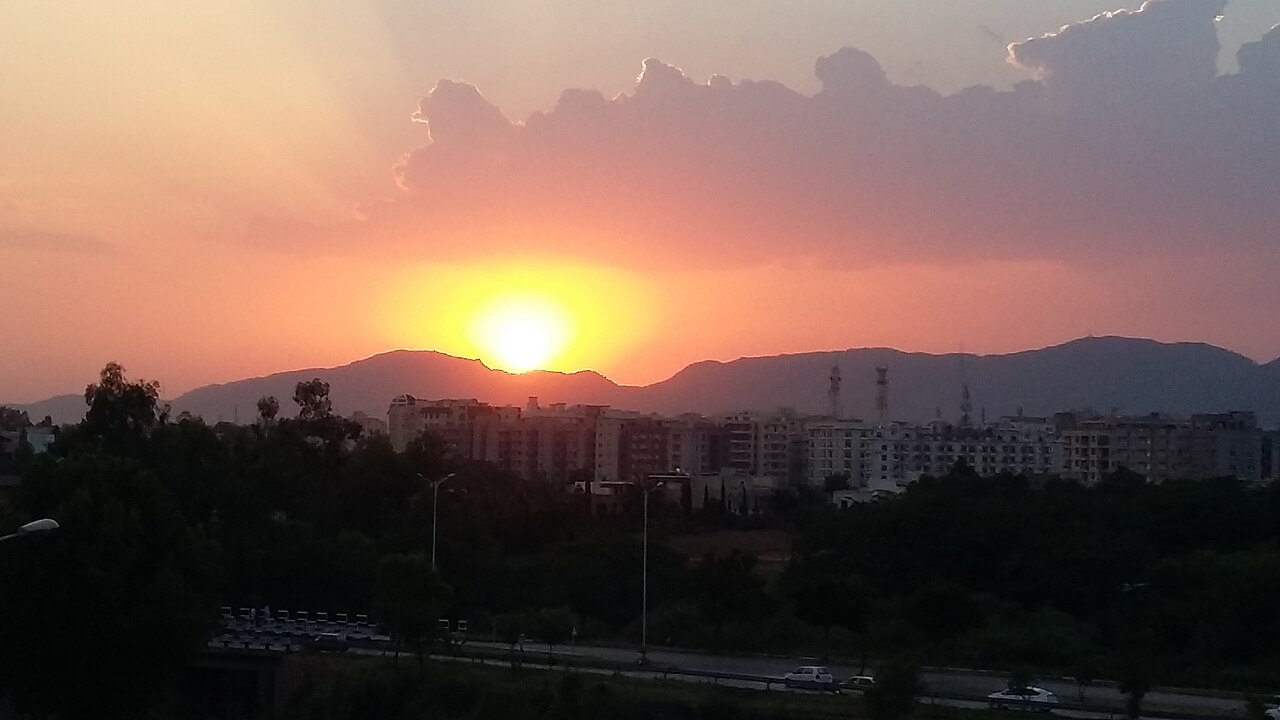
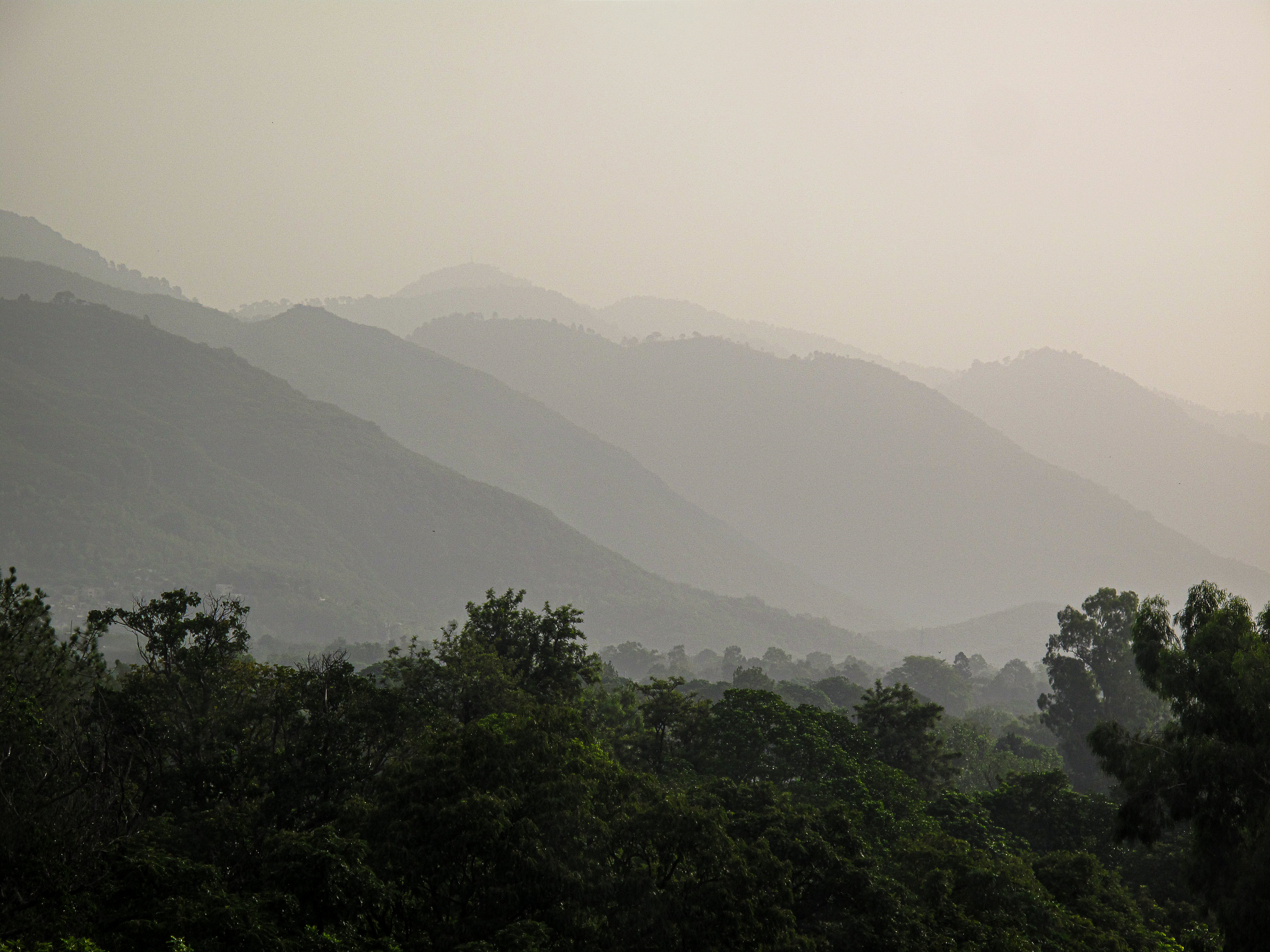
The PMD said rain was expected in Islamabad and parts of Punjab, Khyber Pakhtunkhwa, Sindh and Balochistan between 11 and 13 June, with hailstorms possible in some areas. The NDMA warned that thunderstorms and heavy rain could trigger flash floods in parts of Gilgit-Baltistan, Khyber Pakhtunkhwa and Azad Jammu and Kashmir, saying mountain streams and seasonal waterways could surge during the period.
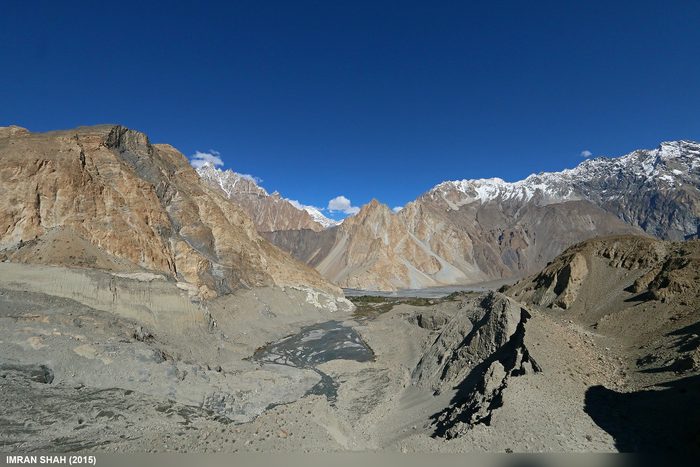
The authority listed areas at risk as Chitral, Shangla, Kohistan, Battagram and Mansehra in Khyber Pakhtunkhwa, and Muzaffarabad, Neelum Valley, Bagh and Rawalakot in Azad Jammu and Kashmir. In Gilgit-Baltistan it warned of possible flooding in streams and waterways in the Gupis-Yasin, Ghizer, Diamer, Tangir, Darel and Gilgit districts.
The NDMA advised residents of low-lying areas and people living near waterways to take precautionary measures and urged tourists and travellers to avoid unnecessary travel to mountainous regions during heavy rainfall. It also issued a landslide alert for Gilgit-Baltistan and adjoining mountainous areas from 12 to 15 June, warning of temporary road closures and travel disruption along the Karakoram Highway and the Jaglot-Skardu Road.
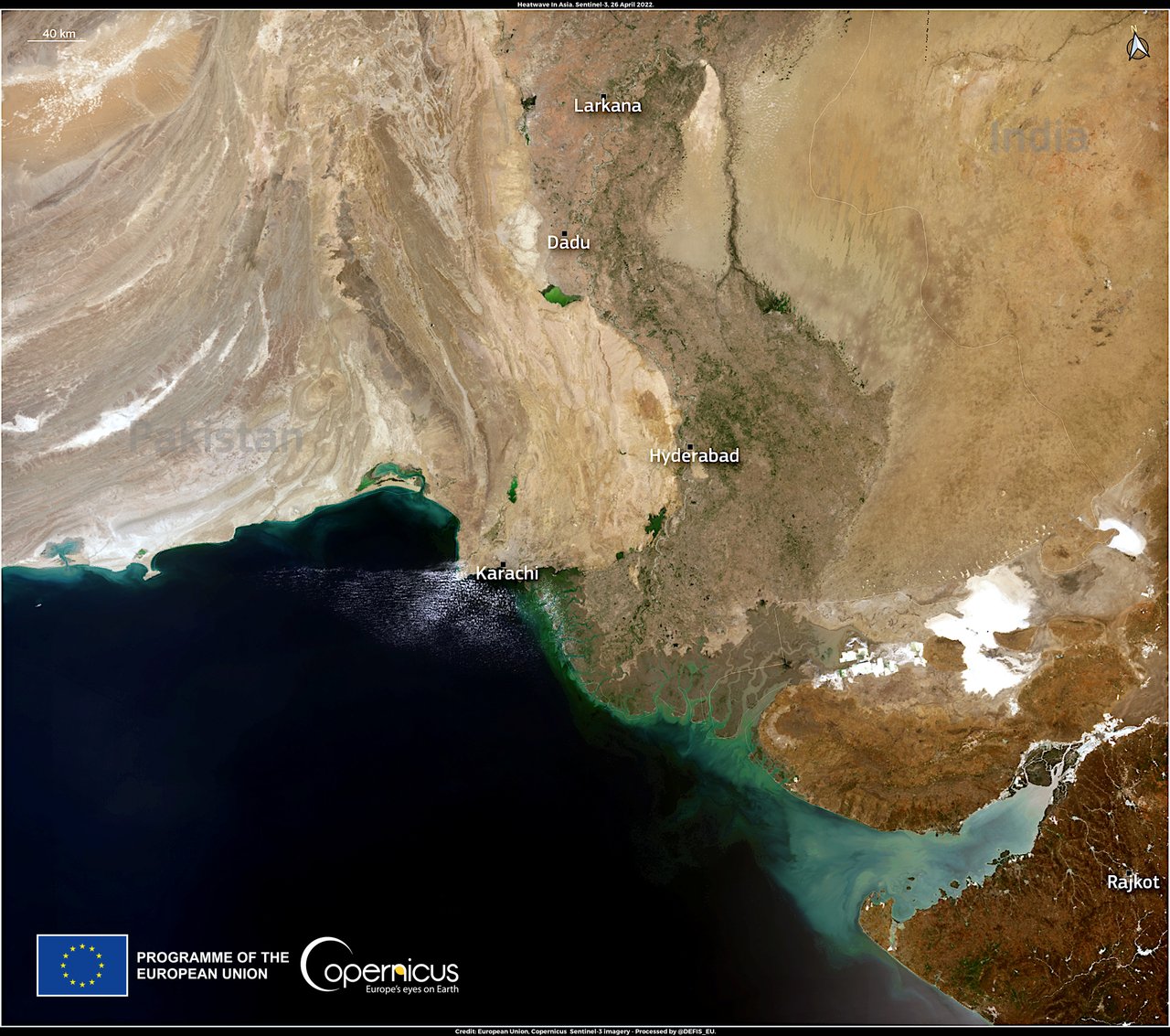
On the same day, the PMD forecast a maximum temperature of 41 degrees Celsius and a minimum of 31 degrees Celsius for Lahore, with winds around 13 kilometres per hour and humidity near 51 per cent. Karachi was expected to stay hot and humid with bright sunshine, a maximum of 39 to 41 degrees Celsius and humidity around 78 per cent, which the PMD said could make it feel closer to 40 degrees. Authorities advised residents to avoid unnecessary exposure to direct sunlight.
Why it matters
The alerts signal the start of the summer monsoon and pre-monsoon rain over Pakistan’s northern belt, where steep terrain, seasonal streams and weak hillsides make communities vulnerable to flash flooding and landslides. The Karakoram Highway and the Jaglot-Skardu Road are key arteries linking Gilgit-Baltistan to the rest of the country, so closures can isolate districts and disrupt supplies.
At the same time, the heat and humidity in Lahore and Karachi keep the risk of heat stress high, particularly for outdoor workers and people without reliable cooling. The combination of heavy rain in the north and extreme heat in the plains is a familiar early-summer pattern that stretches provincial disaster-response capacity.
What is still uncertain
Weather forecasts can change quickly, and the PMD’s outlook covers a three-day window for rain with a longer landslide alert to 15 June. It is not yet known how much rain will fall, which districts will be worst affected, or whether any fatalities or major damage will follow. The agencies’ advice is precautionary and based on forecasts rather than confirmed flooding.
Sources & reporting notes
This is a summary of published reporting, not independent reporting. Details are as carried by the cited source, which was reviewed on 2026-06-11. The warnings and temperature figures are forecasts and may be revised.
- The Express Tribune — "Rain, flash flood alerts issued as heat persists across parts of Pakistan"11 June 2026 · The PMD and NDMA warnings, the districts at risk and the Lahore and Karachi forecasts.