What happened
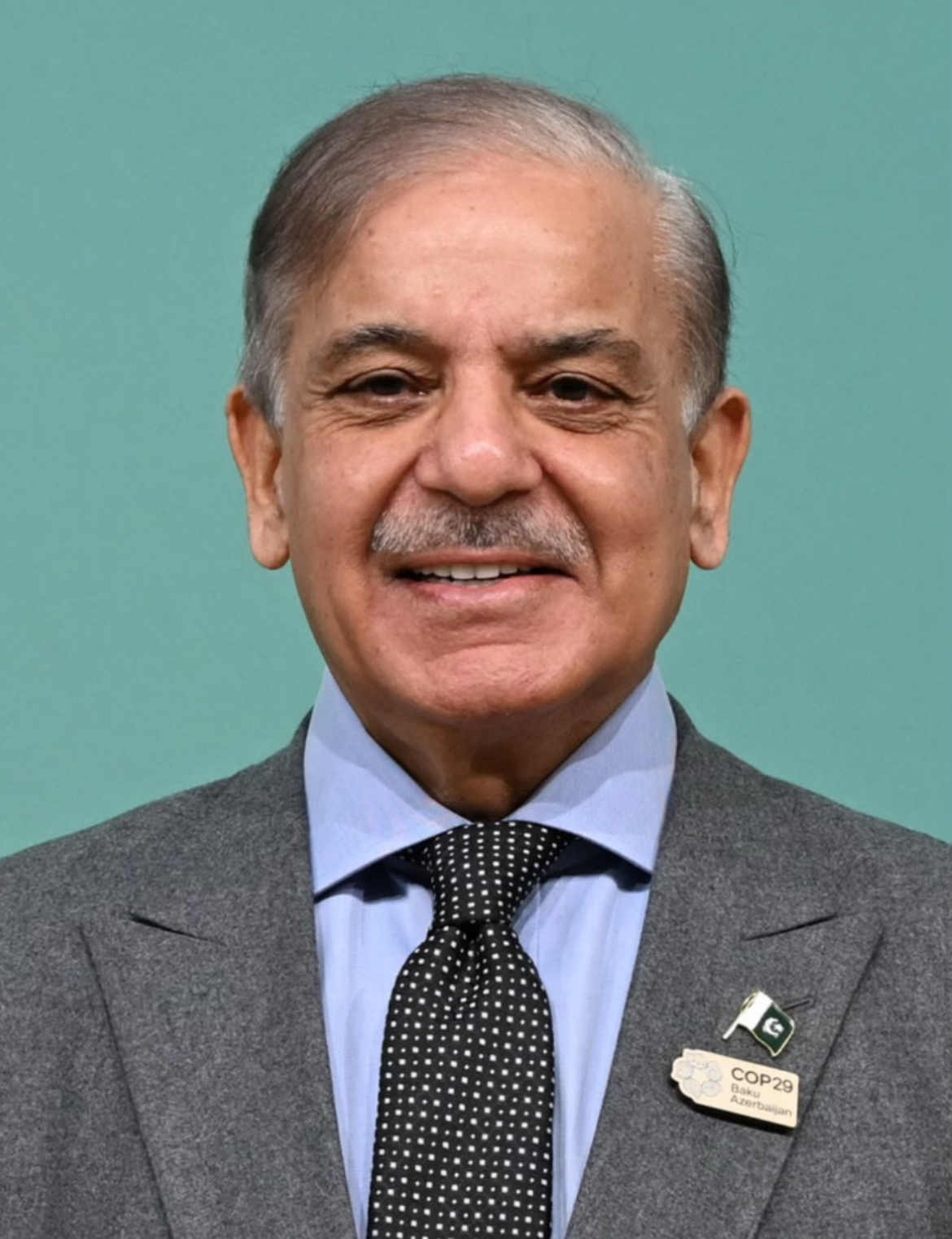
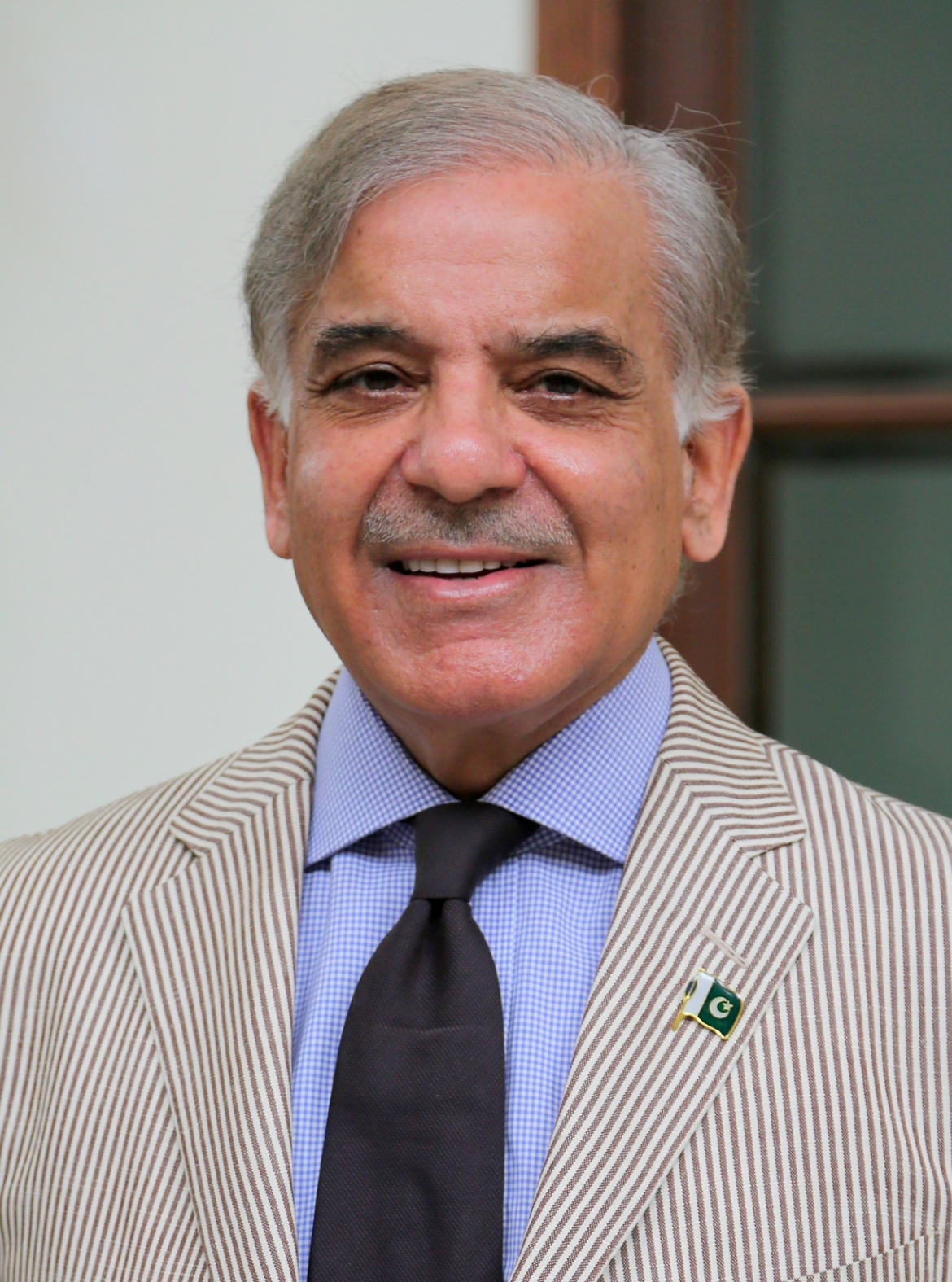
Prime Minister Shehbaz Sharif has constituted a National Coordination and Management Council (NCMC) to handle the economic and internal-security consequences of the Middle East war, consolidating several previously parallel committees into a single body with federal and provincial representation.
Its executive committee is co-chaired by Ahad Khan Cheema and Lt Gen Zafar Iqbal. According to the official notification, the council is a central platform meant to allow faster, better-informed decisions and to ensure they are implemented across levels of government.
In its first executive-committee meeting, the council approved the export of surplus furnace oil after confirming that domestic energy needs were met and after refiners raised concerns about limited storage capacity.
Why it matters
The NCMC gives Pakistan a standing crisis-management structure at a moment when the war has disrupted energy markets, shipping and remittances. Its mandate spans the management and operationalisation of financial, economic and trade policy, as well as internal security — including planning for possible internal displacement and refugee inflows — and “narrative management” and countering disinformation.
The council has been tasked with tracking foreign-exchange reserves, currency stability, commodity supply chains, freight rates and remittance inflows through real-time digital monitoring, and with keeping the rupee stable against the dollar. It will also model oil-shock scenarios and monitor the availability of critical commodities.
What is still uncertain
Beyond immediate crisis response, the NCMC is to plan for trade diversification, alternative import routes, strategic fuel reserves and targeted subsidies for low-income households. It has also been handed the ability to implement rationing of critical commodities in an extreme situation and to identify vulnerable communities for social-safety-net support.
How much of that agenda can be executed will depend on how long the Gulf conflict lasts and whether the ceasefire that Pakistan helped broker holds. Officials said the council was established hours before that ceasefire was announced but decided to keep working because the danger of war still looms.
Sources & reporting notes
This is a synthesis of published material, not original reporting. Sources were reviewed on 9 April 2026.
- Primary source — Bloom Pakistan: Pakistan Forms High-Level Council to Address Economic and Security Risks from Middle East War9 April 2026 · Confirms the NCMC's creation and mandate, the Cheema–Iqbal executive committee, the first-meeting decision to export surplus furnace oil, and the real-time tracking of reserves, commodities, freight and remittances.