What happened
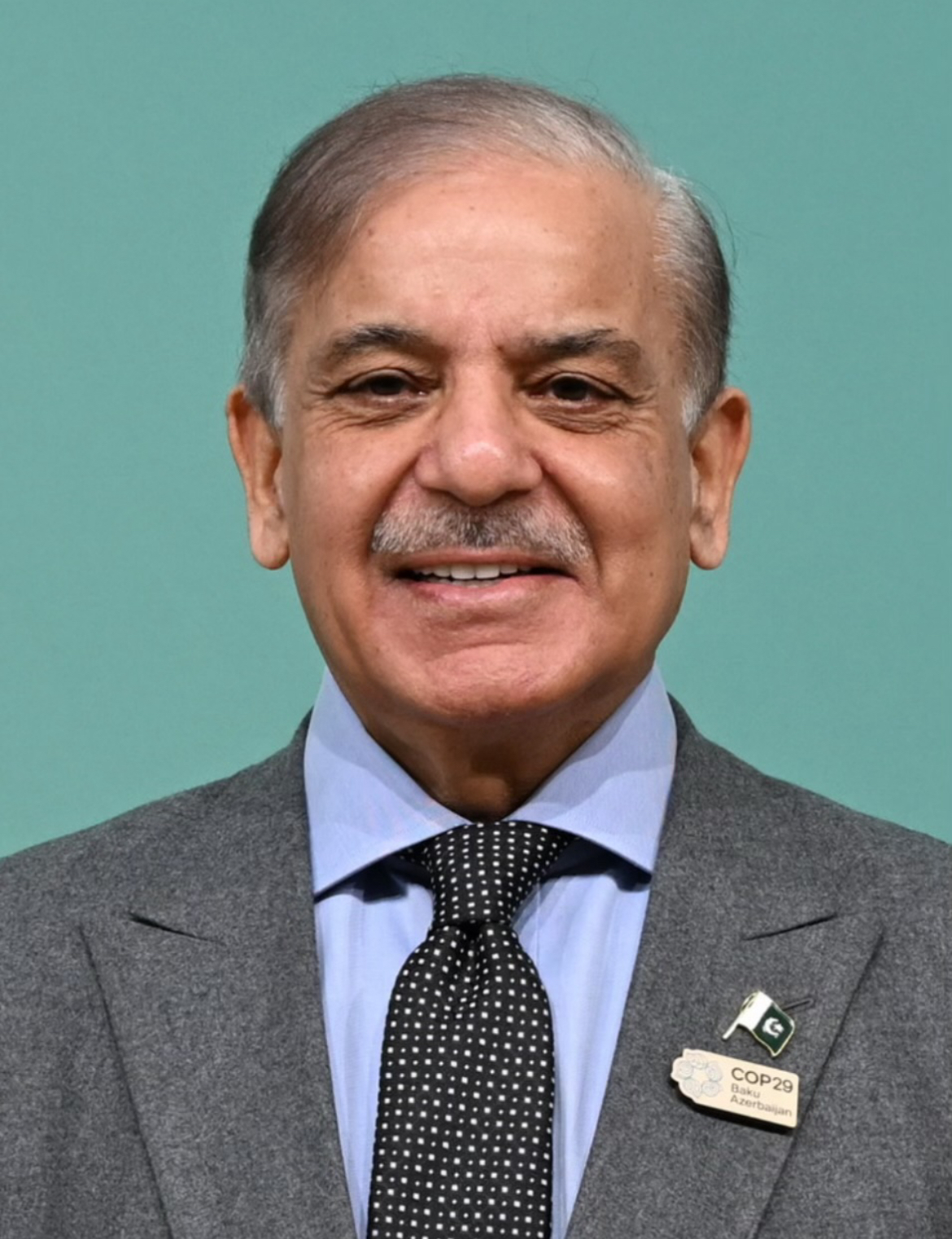
Prime Minister Shehbaz Sharif announced a wide-ranging austerity and energy-conservation plan on Monday 9 March 2026, saying the measures were needed to shield the public from a global fuel crisis triggered by the war in the Middle East.
Speaking in a televised address after chairing an emergency meeting with federal and provincial leaders in Islamabad, the prime minister set out a package that state media described as 14 points. Government departments will cut fuel allocations for their vehicles by 50% for two months and ground 60% of their fleets, with ambulances and public buses exempt. Federal cabinet members, advisers and special assistants will forgo their salaries for two months; members of parliament will take a 25% pay cut; and officers in grade 20 and above earning more than Rs300,000 will lose two days’ salary for public relief. Non-salary spending across government departments will fall by 20%, purchases of cars, furniture and air conditioners will be frozen, and foreign trips by ministers, advisers and officials will be banned except those deemed essential to the national interest — a restriction Shehbaz said would also apply to himself, the chief ministers and governors.
The plan also reshapes the working week. Fifty per cent of staff in public and private offices, excluding essential services, will work from home; government offices will open four days a week; and an extra weekly holiday will be granted — decisions that will not apply to banks, industry or agriculture. All schools will close for two weeks from the end of the week, while higher-education institutions are to begin online classes immediately. Government dinners and Iftar parties are banned, and seminars and conferences must be held at government premises rather than hotels.
The prime minister said crude oil had risen from about $60 a barrel to more than $100, warned that further increases were likely, and noted that Pakistan’s economy, agriculture, transport and much of daily life depend on oil and gas from the Gulf. He said the recent petrol and diesel price rise had been a decision taken “with a heavy heart”, condemned the Israeli attacks on Iran and expressed sorrow over the death of Ayatollah Ali Khamenei, while also condemning retaliatory strikes on friendly Gulf states. The meeting was attended by Deputy Prime Minister and Foreign Minister Ishaq Dar, Chief of Defence Forces Field Marshal Syed Asim Munir, federal ministers and the chief ministers of the provinces, according to the state news agency.
Why it matters
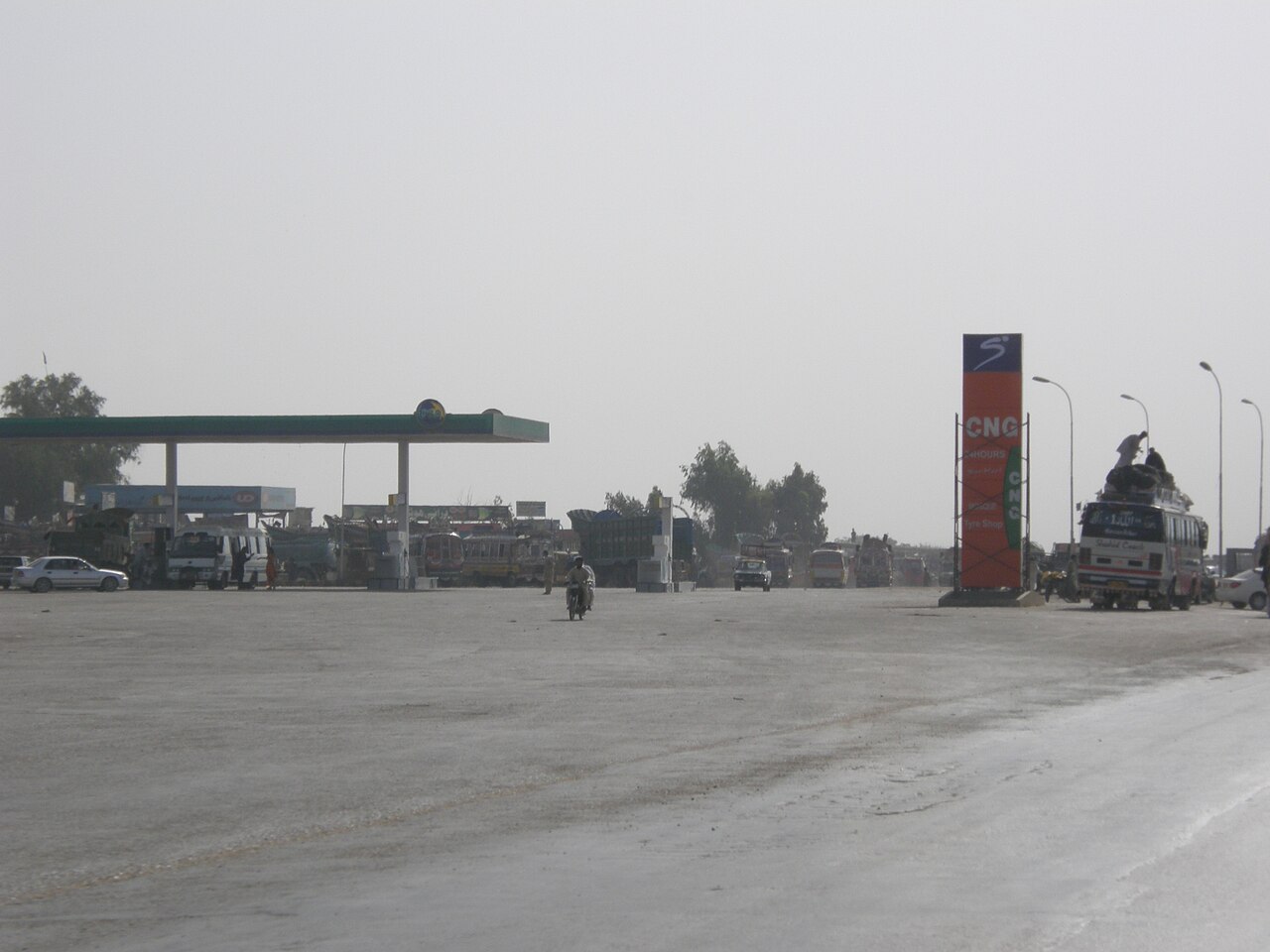
The package is the government’s first broad response to an oil shock that has exposed Pakistan’s dependence on Gulf energy imports as the Strait of Hormuz becomes unsafe for shipping. By cutting state fuel consumption, moving offices online and closing schools, Islamabad is trying to reduce demand and imports at the same time as it reassures a public already absorbing higher pump prices. The prime minister insisted the economy’s recent gains remained intact, saying inflation had fallen, the policy rate had almost halved, the rupee was stable and electricity prices had been reduced “with great effort”. He also warned hoarders and profiteers not to exploit the situation. The measures follow the fuel-supply and price crunch KhabarWire reported a day earlier in Pakistan’s deepening energy crisis.
What is still uncertain
Several questions were left open by the 9 March address. The government did not publish the full text of the measures, so the duration of the extra weekly holiday, the exact starting dates of the school closure and the penalties for non-compliance were not spelled out. It is unclear how the four-day week and 50% work-from-home rule will be enforced in private firms, or whether the salary deductions are one-off or recurring across the two months. The prime minister’s warning to hoarders was not accompanied by a specific enforcement mechanism, and no estimate was given of how much fuel or foreign exchange the plan is expected to save.
Sources & reporting notes
This is a synthesis of published material, not eyewitness reporting. Sources were reviewed on 9 March 2026.
- Associated Press of Pakistan — PM announces plan to cut govt expenses, reduce use of fuel to shield public from rising pricesPublished 9 March 2026 · Primary: the state news agency's full report on the televised address, the 50% fuel cut, the four-day week, work-from-home order, school closure, salary deductions, the cabinet meeting and the prime minister's remarks on oil prices and the regional war.
- Radio Pakistan — PM Shehbaz announces 14-point austerity planPublished 9 March 2026 · Supporting: state broadcaster confirmation that the package was presented as a 14-point plan announced in a televised address to the nation.