Reporting snapshot · 4 September 2026. This reports remarks made at a seminar in Lahore the previous day, as covered by Dawn; the speakers' characterisations of the pact are their own.
What happened
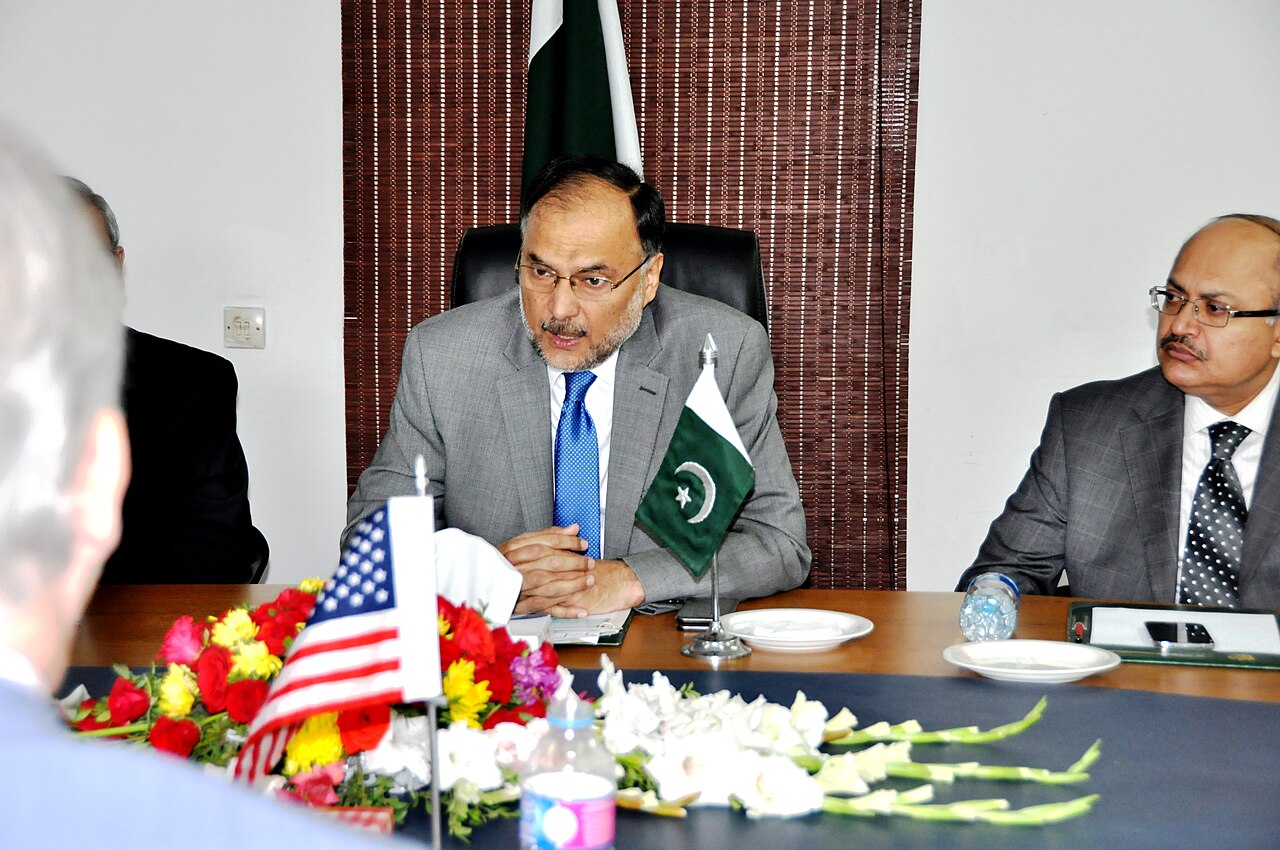
Planning Minister Ahsan Iqbal and Punjab Assembly Speaker Malik Muhammad Ahmad Khan described the Makkah Pact as an important strategic development, at a seminar titled “Makkah Pact and New Geometry of Power” hosted by the University of Lahore, according to a report in Dawn.
Iqbal said Pakistan had achieved significant successes on both the defence and diplomatic fronts, but warned that those gains could not be sustained unless the country also strengthened itself economically and put its domestic affairs in order. “Pakistan now needs to focus completely on its economy,” he said, calling for an “economic reset”.
The Punjab Assembly speaker said he hoped the pact would serve as an instrument for promoting peace in the region through deterrence, describing it as a message of strength and unity among Pakistan, Saudi Arabia and Turkiye.
Other speakers offered a range of justifications for the agreement. Former foreign minister Khurshid Mahmood Kasuri said the pact reflected the sentiments of the wider Muslim world and described it as a deterrence arrangement aimed at safeguarding the integrity and sovereignty of Pakistan, Saudi Arabia and Turkiye. Former national security adviser Nasir Janjua said the global balance of power was shifting, with the influence of Russia, China and the Muslim world rising against a “relative decline of the United States”, and called for greater regional unity as a basis for stability. Former foreign secretary Jalil Abbas Jilani said the pact reflected Pakistan’s diplomatic achievements and should be viewed in the context of the evolving strategic environment in the Middle East.
University of Lahore Chairman Awais Raoof described the agreement as defensive in nature but potentially the beginning of a new regional security structure, adding that several other countries had expressed interest in joining it.
Why it matters
The seminar shows how Pakistani officials are framing the Makkah Pact to a domestic audience: as a strategic gain that must now be matched by economic reform. Iqbal’s warning that military and diplomatic wins are not self-sustaining is a notable admission from a senior minister that external security gains cannot substitute for fixing the economy.
The event also illustrates the breadth of the coalition the pact is being presented as representing. Speakers linked it to Saudi Arabia and Turkiye, to the wider Muslim world and to a shifting global order in which the influence of Russia, China and Muslim-majority states is said to be rising. That framing is intended to cast the agreement as more than a bilateral security arrangement.
What is still uncertain
The Pakistani and foreign officials speaking at the seminar are advocates of the pact, so their characterisations are not neutral assessments. The pact’s operational details, its command arrangements and the obligations it places on each signatory have not been set out publicly in the remarks reported. It also remains unclear how many countries might join a broader structure, which specific states have expressed interest, or whether the arrangement will develop from a declaration into a standing institution. The related announcement that Pakistan would head a secretariat for three years points to institutionalisation, but the scope of that body’s work and its budget have not been detailed. The economic “reset” Iqbal called for is a slogan without an announced programme so far.
Sources & reporting notes
This is a contemporaneous summary of published reporting, not eyewitness reporting. Sources were reviewed on 4 September 2026.
- Dawn — Makkah Pact will provide 'deterrence for peace'4 September 2026 · Ahsan Iqbal's 'economic reset' remarks, the Punjab Assembly speaker's comments and the other speakers at the University of Lahore seminar.