Reporting snapshot · 23 October 2026 (Asia/Karachi). The account of the operation and of the two militants killed is the Khyber Pakhtunkhwa Police's own. The operation was still under way when the first statements were issued, and no independent verification of the exchange of fire or of the dead militants' identities has been published. Casualty figures and the status of the militant commander named by police may change.
What happened
Four Khyber Pakhtunkhwa police personnel, including a Counter-Terrorism Department (CTD) deputy superintendent and a station house officer, were killed in an exchange of fire in the Charpara area of Karak district on Thursday, 22 October, according to Khyber Pakhtunkhwa Police. Two militants were also killed, the force said, and the operation was still continuing when it issued its first account.
The police statement, carried by Dawn, Geo News and The Express Tribune, said the joint team went to Charpara at noon after militants had set up a blockade there the previous night. The operation was led by the DSPs for Banda Daud Shah and the CTD and included bomb-disposal personnel, a drone team, Rescue 15 and the Rapid Response Force.
Police said the team raided the hideout of a militant commander, Qaiser Iqbal, and came under fire. The dead policemen were named as CTD DSP Imranuddin Khan, Latambar station house officer Sub-Inspector Afzal Awan, Constable Kazim and Head Constable Amjad of the bomb-disposal unit. Geo News gave Kazim’s rank as havaldar; the other reports described him as a constable.
Funeral prayers were held later with full official honours, Dawn reported. Khyber Pakhtunkhwa Inspector General of Police Zulfiqar Hameed, CTD Additional Inspector General Jawad Qamar, Kohat Regional Police Officer Shakir Hussain Dawar and Karak District Police Officer Niaz Muhammad were among the officers who attended. A police contingent presented a salute, and the bodies were taken to the policemen’s native villages.
Governor Faisal Karim Kundi condemned the attack and said the sacrifices of the province’s police would not be forgotten, according to The Express Tribune. The interior minister, Mohsin Naqvi, also paid tribute to the four men.
Two civilians were injured in a separate incident in Bannu the same day. Police told The Express Tribune that militants opened fire on a patrol in the Merian area and that a remote-controlled bomb planted in a motorcycle then exploded. The police party was unhurt; the injured civilians were taken to the district headquarters hospital.
Why Karak keeps producing police casualties
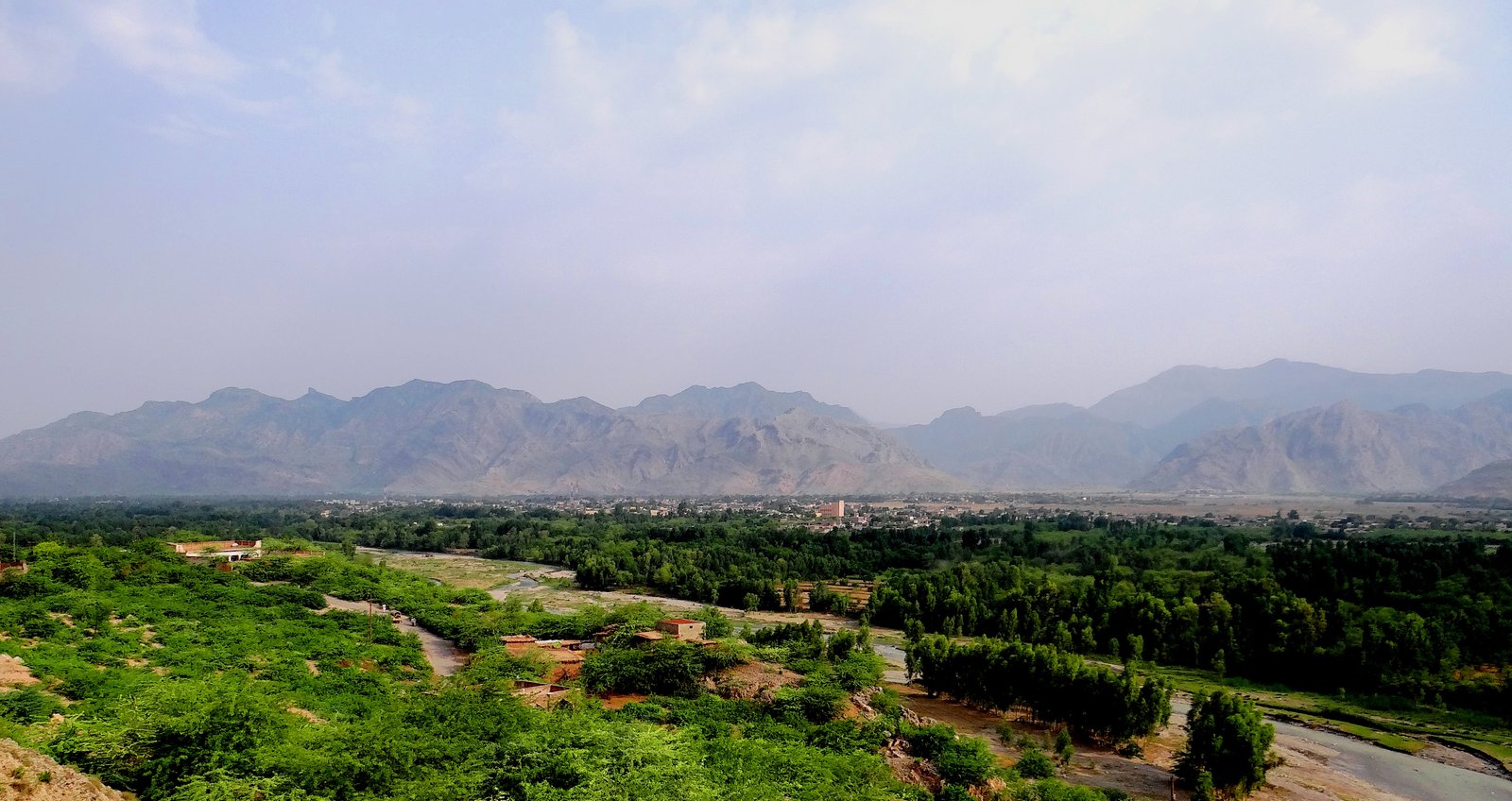
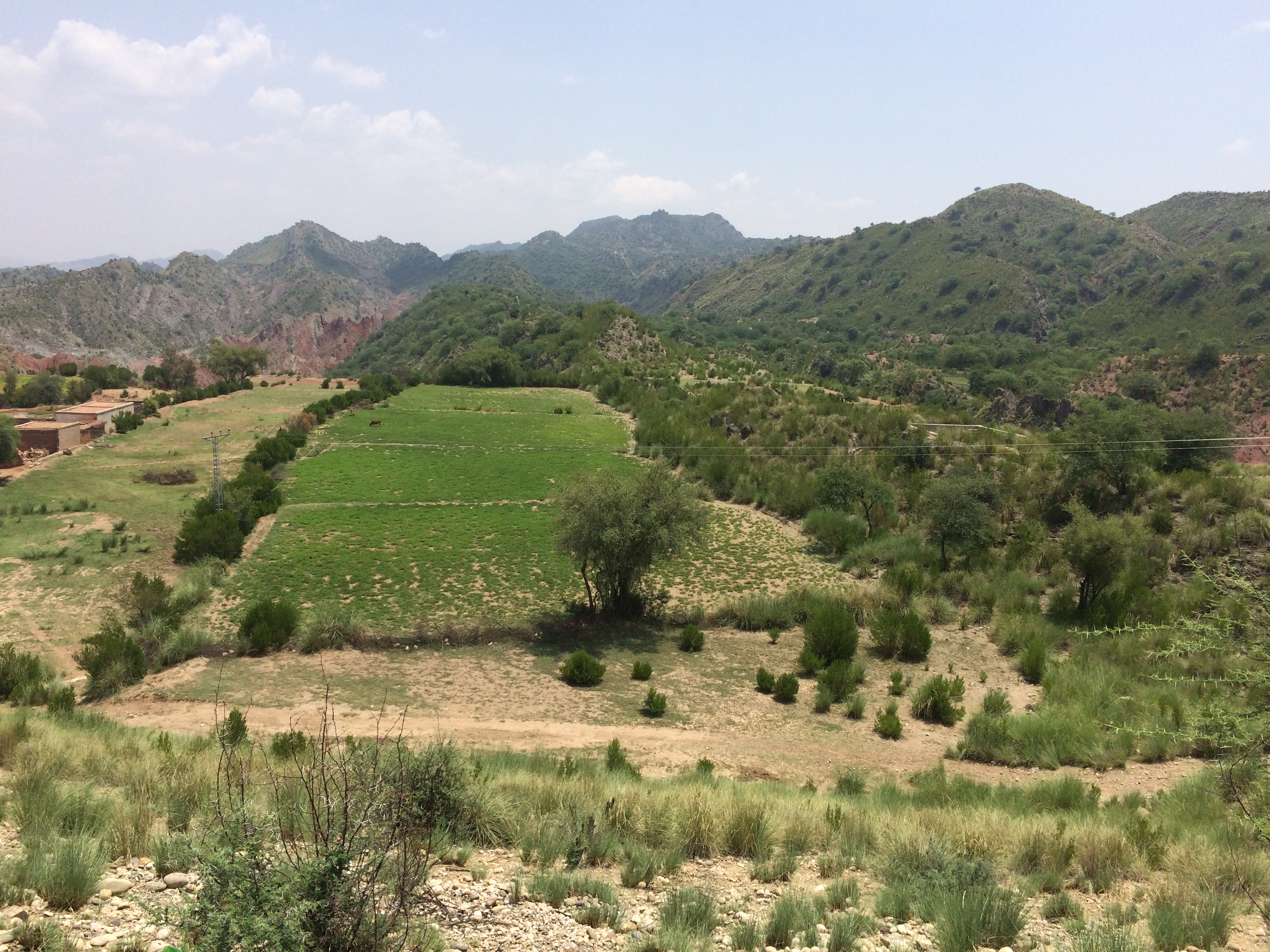
Karak lies south of Kohat and adjoins Lakki Marwat, in a belt of southern Khyber Pakhtunkhwa where police and CTD units have repeatedly come under attack. Its broken terrain, sparse population and road network have made it a recurring setting for militant attacks and for search-and-strike operations.
Thursday’s operation came about 20 days after police and CTD personnel destroyed several alleged militant hideouts in the same district, Dawn reported. In September, two militants were killed in an intelligence-based operation in neighbouring Lakki Marwat, and in August a police constable was killed and six officers were injured when a roadside bomb hit a patrol van in Karak, according to Dawn’s account.
The pattern is not confined to Karak. Pakistan Today reported that a recent Centre for Research and Security Studies review recorded an 83 per cent increase in violence-linked fatalities in the third quarter of 2026, reversing declines in the first two quarters. Balochistan accounted for 829 deaths, nearly 59 per cent of the national total, and Khyber Pakhtunkhwa for 556, or more than 39 per cent, Pakistan Today reported.
Those figures cover a three-month period and are not a count of Thursday’s incidents. They do, however, explain why the attack fits a wider security problem rather than an isolated ambush.
The operation also comes during the emergency rule imposed in Khyber Pakhtunkhwa on 11 October. The federal government cited deteriorating security when it suspended the provincial government and installed Governor Kundi as the province’s administrator; the measures are being challenged in the Peshawar High Court and the Federal Constitutional Court. KhabarWire set out the constitutional challenges this week.
For the police, the immediate consequence is operational. A district-level CTD officer and a station house officer were killed in the same engagement, removing two local commanders from a force that has already lost personnel in repeated attacks. The killing of the alleged Kohat Police Lines attack mastermind in Lakki Marwat last week showed the same pattern from the other direction: a named militant commander killed in a joint operation, with the official account still unverified.
What is still uncertain
The most important gap is the identity and affiliation of the two militants killed in Charpara. Police named the commander whose hideout was raided, Qaiser Iqbal, but did not say whether he was among the dead. No group had claimed responsibility for the attack when the first reports were published, and the police did not say which organisation, if any, the fighters belonged to.
The sequence also rests on a single official account. Police say the operation began after a blockade the previous night, that the team raided Iqbal’s hideout and that two militants were killed. Those details have not been independently confirmed, and the operation was still under way, so the number of dead militants could rise. The death toll among the police, by contrast, was confirmed by multiple outlets and by the funeral.
Two further questions remain open. The first is whether the blockade was intended to ambush a police convoy, to assert control over a road, or for another purpose. The second is what the operation found at the hideout. Police have not published a list of weapons, explosives or documents recovered, and they have not said whether the raid was linked to a specific earlier attack.
For now, the confirmed facts are narrow: four policemen were killed on 22 October in Charpara, two militants were killed according to police, and the operation continued after the first statement. The rest — the militants’ identities, the commander’s fate and the operation’s outcome — will be settled only when the police publish a fuller account.