Reporting snapshot · 19 November 2026 (Asia/Karachi). The dialogue is due to end on 20 November, and the measures described here were outlined for consultation. No visa rule, land allocation or budget had been approved when this article was published.
Pakistan opened a four-day Gandhara Strategic Dialogue in Islamabad on Wednesday, 18 November, bringing senior Buddhist monastics from eight Asian countries together with ministers, diplomats and heritage experts to discuss how the country presents and protects its Buddhist heritage.
The gathering at the Ministry of Foreign Affairs was held under the theme “Towards a Shared Future” and organised with the Prime Minister’s Task Force on the Gandhara “Cradle of Buddhism” Strategy, which operates under the Ministry of National Heritage and Culture, according to the foreign ministry release carried by the Associated Press of Pakistan. More than 100 people took part, including monastics and Buddhist community representatives from Bangladesh, Cambodia, Japan, Laos, South Korea, Sri Lanka, Thailand and Vietnam, as well as ministers, parliamentarians, diplomats and Gandhara experts from China, Germany and the United States.
The proposals put before the monks
The coordinator of the task force, Imran Shaukat, used the opening session to set out a package of measures aimed at making Pakistan easier to visit and study for Buddhist pilgrims and scholars. According to The Express Tribune’s account, these included a dedicated Buddhist visa category, long-term multiple-entry visas for ordained monastics, simplified no-objection certificate procedures, land for meditation halls near important sites, monk-led stewardship of some sites, international Gandhara exhibitions and training for the hospitality sector.
Shaukat said the approach rested on the idea that “Gandhara is for Buddhists; we are simply blessed to be its patrons and keepers”, the newspaper reported. He also suggested exploring a dedicated Buddhist heritage zone in Taxila, on land that would fall in either Punjab or Khyber Pakhtunkhwa, and said the task force wanted guidance from the international Sangha before proceeding with new buildings or programmes.
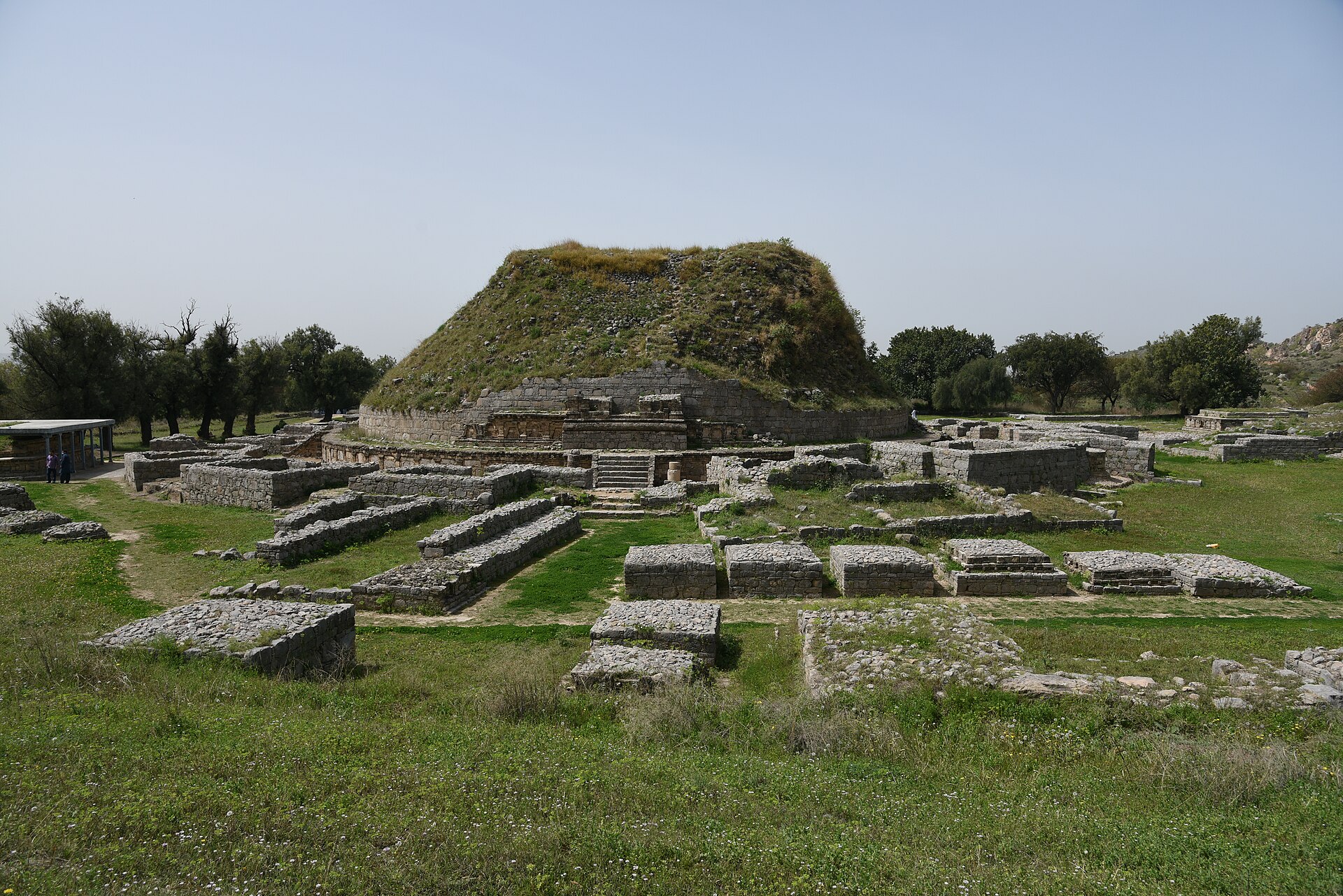
The proposals concern heritage that is among the region’s most important. Taxila, in Rawalpindi district, was an important Buddhist centre of learning from the 5th century BC to the 2nd century AD, and its monasteries and stupas form a UNESCO World Heritage site. Takht-i-Bahi, a monastic complex founded in the early 1st century in what is now Khyber Pakhtunkhwa, is described by UNESCO as the most complete Buddhist monastery in Pakistan and forms a second World Heritage site with the nearby remains of Sahr-i-Bahlol.
A shared heritage, and a long list of requests
Minister for National Heritage and Culture Aurangzeb Khan Khichi, who chairs the task force, told the opening session that Gandhara was one of the region’s most distinguished centres of Buddhist learning, philosophy, art and culture, and that Pakistan regarded its preservation as a shared responsibility to the international community and future generations. Foreign Secretary Asim Iftikhar Ahmad described the heritage as a bridge between civilisations and pointed to Taxila, Takht-i-Bahi and Swat as places Pakistan wanted to make more accessible, Radio Pakistan reported.
The visiting monastics brought their own requests. Thailand’s Phra Anil Sakya said Pakistan’s Buddhist collections were insufficiently recognised internationally and that its museums could attract millions of visitors if their significance were better promoted. Vietnam’s Thich Minh Quang asked for land to build a meditation hall, Japan’s Junsei Terasawa offered to visit and work with local communities once a site was designated, and Cambodia’s Yon Seng Yeath said he wanted Gandhara corners set up at two Pakistani universities. A Bangladeshi Chakma leader, Raja Devashish Roy, also supported the proposals, the Tribune reported.
What stands between the plan and the sites
None of the proposals is yet policy. A dedicated visa category and multiple-entry visas for monastics would require changes to federal visa rules; land allocations and a heritage zone would need provincial decisions; and no budget or timetable has been announced. Officials framed the dialogue as a consultation, with further sessions on pilgrimage facilitation, conservation, research partnerships, the preservation and translation of sacred manuscripts, tourism infrastructure and community development before it closes on 20 November at the National Heritage and Culture Division.
The condition of the sites themselves is a further constraint. UNESCO’s assessment of Taxila records risks from vegetation, earthquakes, industrial expansion, limestone blasting and illegal excavation, and describes funding from the Punjab and Khyber Pakhtunkhwa governments as inadequate. Its assessment of Takht-i-Bahi notes encroachment at Sahr-i-Bahlol and a shortage of craftsmen trained in traditional construction.
Pakistan has been trying to turn that heritage into a diplomatic and tourist asset. In May, the United States returned more than 450 looted antiquities, as KhabarWire reported, and this month the Mehrgarh Museum in Quetta reopened after a US-funded upgrade, another restoration that left the archaeological site itself exposed. Lahore’s Gurdwara Chhevin Patshahi also reopened after 79 years, part of a wider programme of repairing minority religious sites. The Gandhara plan differs in scale: it is aimed at foreign pilgrims and at international recognition for sites that the visiting monastics said remain little known abroad.
For now, the dialogue’s most concrete output is a coffee-table book, Colours of Pakistan: Gandhara Edition, unveiled at the opening by curator Elli Takagaki. Whether the visa rules, the Taxila zone and the meditation halls follow will depend on decisions taken after the monks go home.