Reporting snapshot · 9 November 2026 (Asia/Karachi). The reopening has been confirmed by officials and two Lahore newspapers, but the reports do not set out the restoration's cost, the shrine's regular opening hours or how many of the other gurdwaras in the programme are finished. The figures on Indian pilgrims are official estimates and could not be independently checked.
What happened
The historic Gurdwara Chhevin Patshahi Sri Guru Hargobind Sahib on Temple Road in Mozang, Lahore, reopened for worship on Sunday, 8 November, after restoration work, Dawn reported. The shrine had been closed since Partition in 1947 and had gradually fallen into disrepair, The Express Tribune reported.
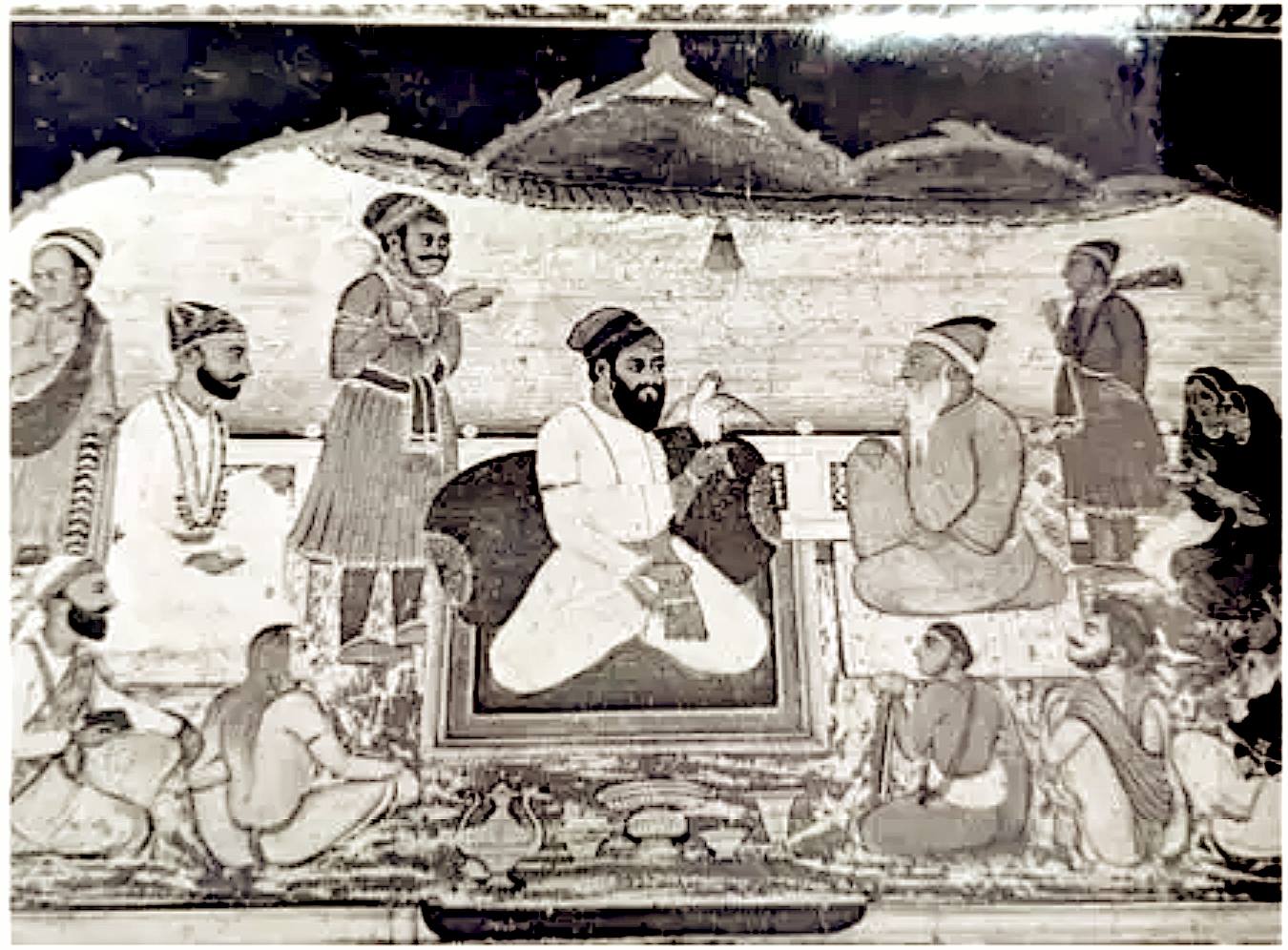
The Evacuee Trust Property Board completed the renovation and restoration and reopened the building, ending a closure of 79 years. The gurdwara is associated with Guru Hargobind, the sixth Sikh Guru. According to accounts cited by The Express Tribune, Guru Hargobind visited the site during a visit to Lahore in 1619.
At a ceremony at the shrine, Punjab Minorities Affairs Minister Ramesh Singh Arora said restoration work was under way at more than 50 gurdwaras across Pakistan. He said Gurdwara Khara Sahib in Nowshera Virkan was also expected to be inaugurated this month. Volunteers distributed food among worshippers during the reopening, according to a photograph published by The Express Tribune.
ETPB Secretary Nasir Mushtaq said the board would continue its efforts to protect and restore places of worship belonging to the Sikh and Hindu communities. Officials also acknowledged the contribution of former Pakistan Sikh Gurdwara Parbandhak Committee president Sardar Bishan Singh and Professor Mampal Singh to the restoration.
Why it matters
For Lahore’s Sikh community, the reopening restores more than a building. The shrine is a physical link to the city’s pre-Partition religious landscape, and its closure began with the displacement and violence that followed the division of India and Pakistan in 1947. The restoration is a modest reversal of that loss, and it gives the community another historic site for rituals and gatherings.
It also adds to a wider official effort to preserve minority heritage in Pakistan. In April, the Kalash valleys of Chitral were added to Unesco’s World Heritage Tentative List, a step that recognised a distinct cultural landscape rather than a single monument, as KhabarWire reported. The gurdwara project is smaller in scale, but it follows the same logic: that places associated with minority communities are part of the national heritage, not separate from it.
The timing is also significant. Sikh pilgrims from abroad usually travel to Pakistan for Guru Nanak’s birth anniversary, and the reopened shrine gives Lahore another stop on that route. A restored gurdwara can support religious tourism, local worship and the upkeep of a historic neighbourhood. But a building is not a living shrine merely because it has been repaired; access, regular services and maintenance decide whether it remains one.
The wider restoration drive
Arora’s statement that more than 50 gurdwaras are being restored is the clearest indication that the ETPB is treating the reopening as part of a programme rather than a single project. He named Gurdwara Khara Sahib in Nowshera Virkan as the next site expected to be inaugurated this month. The ETPB secretary framed the work around the protection of Sikh and Hindu places of worship and the preservation of what he called the country’s historical heritage.
The reports did not give a budget for the programme, a completion schedule or a list of the sites involved. They also did not say how many of the 50 gurdwaras have been finished, how many are still under repair, or how the board will maintain them after restoration. Those omissions matter because restoration is the easier part of heritage work; keeping a site staffed, clean and open is the harder and more expensive part.
The project also arrives ahead of the Guru Nanak birth anniversary, when Pakistan expects Sikh pilgrims from India and other countries. The condition of shrines, transport and accommodation all shape that experience, and a newly restored site in Lahore can add capacity and symbolic weight to the itinerary.
Pilgrims and Kartarpur
Arora said about 10,000 Sikhs from India wanted to visit Pakistan for the celebrations, but the Indian government had not granted permission to more than 3,000 pilgrims despite what he described as a positive response from Pakistan. He urged India to reopen the Kartarpur Corridor to facilitate Sikh pilgrims and promote religious tourism between the two countries.
The corridor is the crossing used by Indian Sikhs to reach Darbar Sahib Kartarpur without a visa. Its status is a diplomatic question as much as a religious one. Arora’s appeal was directed at New Delhi, but the reports did not include a response from the Indian government.
The pilgrim numbers are also difficult to verify independently. Arora’s figure of 10,000 intended visitors, and his claim that permission was withheld from more than 3,000, are official accounts rather than independently audited figures. They nonetheless point to the central tension in the story: the shrine has been restored inside Pakistan, but many of the pilgrims who would give it regional significance need permission from India to reach it.
What is still uncertain
The reports do not say how much the restoration cost, who funded it, or what exactly was repaired. They do not say whether the gurdwara will be open daily, whether access will be free, or what security arrangements will apply. They also do not say how many of the 50 gurdwaras in the programme have been completed, or whether the ETPB has a maintenance plan for the sites once the inauguration ceremonies are over.
The condition of the shrine before the work was described only as disrepair. The reports did not include an independent assessment of the quality of the restoration, or a detailed account of what was changed, conserved or rebuilt. For a historic religious building, those details matter: restoration can preserve a site, but poor work can also erase the evidence that made it significant.
The Kartarpur and pilgrim questions remain open. The Indian government did not respond in the reports, and the number of Indian Sikhs who actually travel will depend on permits, transport and the state of bilateral relations, not only on the condition of the shrine. The reopening is a concrete development, but its wider significance will be decided by what happens after the ceremony.
What happens next
The immediate test is whether the reopened gurdwara becomes a regular place of worship rather than a one-day showcase. That means published opening hours, staff, maintenance and a clear arrangement for visitors. The next test is whether the ETPB’s wider programme delivers the same standard at the other sites it has promised, and whether the board publishes enough information for the public to judge the work.
For now, the reopening is real: a shrine closed since 1947 has been restored and opened for worship, and the Sikh community in Lahore has another historic site in use. The ceremony has given the project visibility. The harder work is making that visibility last.