Reporting snapshot · 18 November 2026 (Asia/Karachi). The score and the scorers are settled by the confederation's official report, but no official match sheet has been published and the accounts differ on the minute of the red card and of the winning goal, so those details remain open.
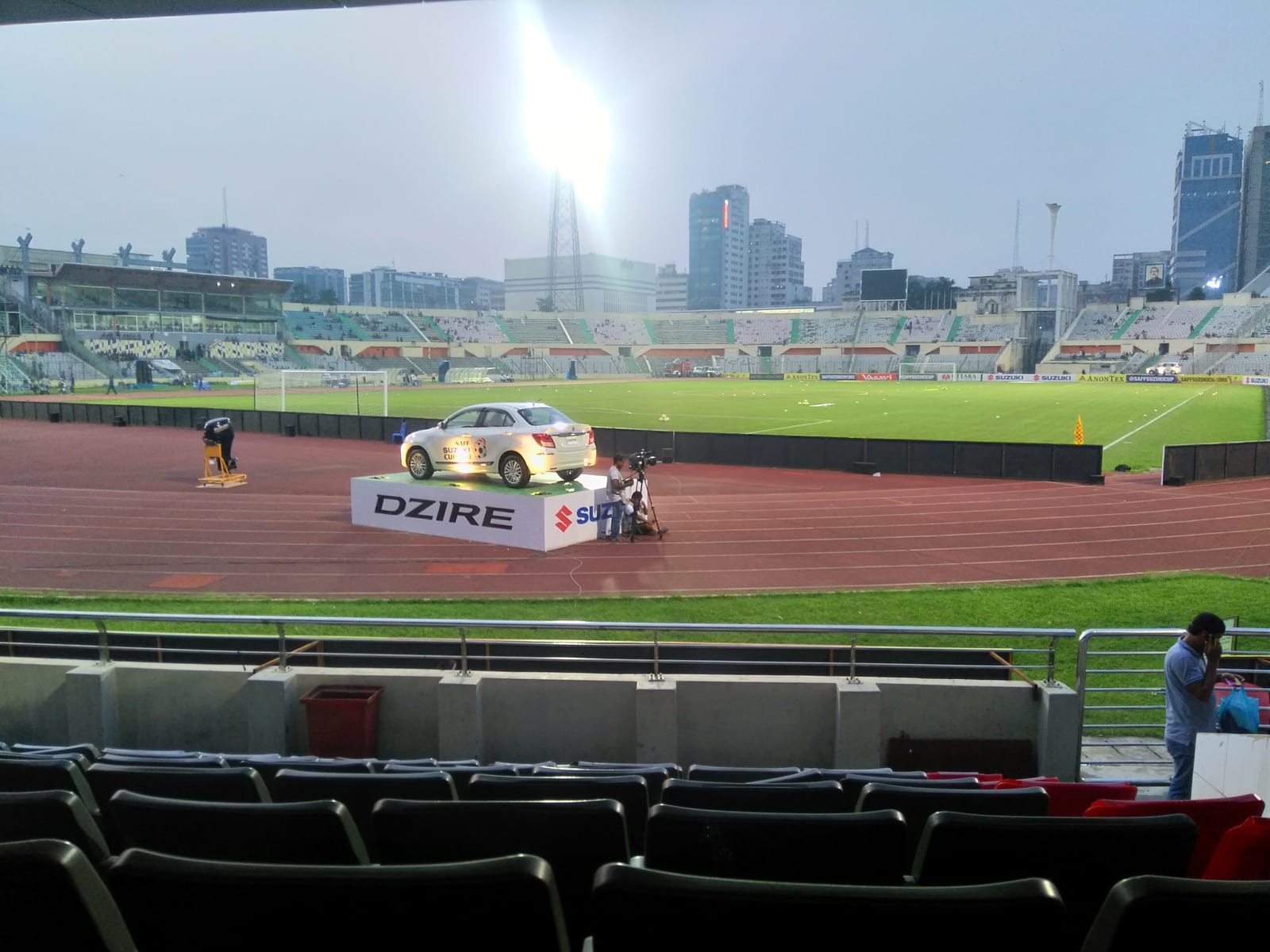
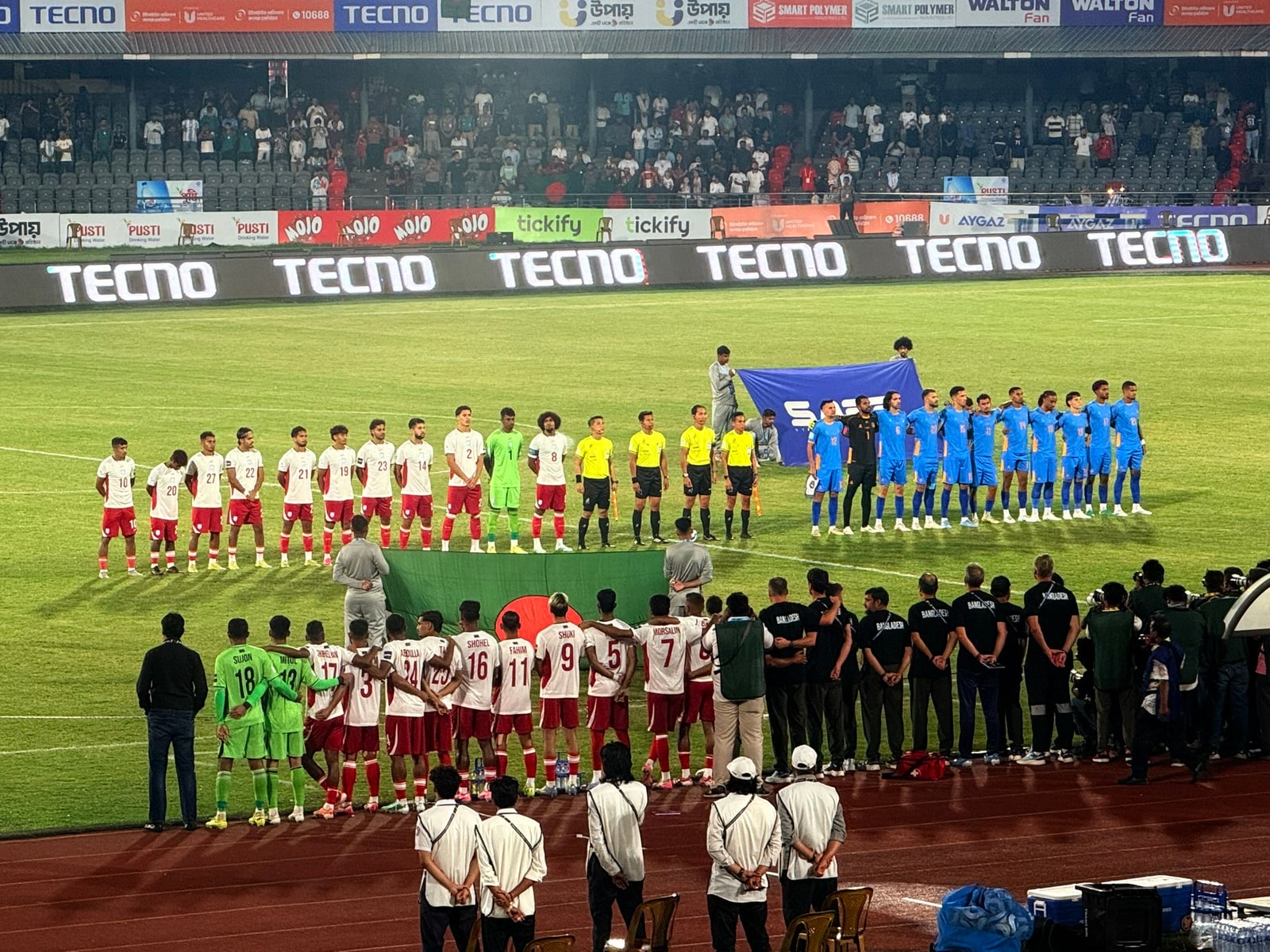
India beat Pakistan 2-1 in the SAFF Championship final at the Bangabandhu National Stadium in Dhaka on Tuesday, 17 November, taking a record-extending tenth regional title and leaving Pakistan’s first appearance in the competition’s decider without a trophy. The Asian Football Confederation’s official report records that India came from behind to win a third consecutive championship, Geo News reported the same scoreline at the same ground, and The Express Tribune headlined its report “India clinch record tenth SAFF Cup title”.
Pakistan arrived in Dhaka having reached the final for the first time, through a 1-0 semi-final win over hosts Bangladesh, as KhabarWire reported on 15 November. That report ended with the decider still open. What has changed since is the match itself: Pakistan led at the interval, lost a player in the 59th minute, and conceded twice more before the final whistle.
The lead arrived in the closing moments of the first half, and it was built on control rather than luck. Alamgir Ghazi curled the ball into the corner from an assist by Junaid Shah, Geo News reported, with the confederation recording the strike as Ghazi’s curling effort “just before the break”. The Express Tribune placed it in stoppage time and noted that it was Ghazi’s second goal of the tournament, both of them scored against India. Its figures for the half show how one-sided the opening period was: 65 per cent possession to India’s 35 per cent, nine attempts to four with four shots on target to one, and four corners to one.
The 59th-minute red card
India’s response to the goal, and then to the dismissal, decided the final. The confederation’s report records that Junaid Shah was sent off in the 59th minute for a foul on Brison Fernandes, and Geo News likewise reported the dismissal in the 59th minute and said it reduced Pakistan to 10 players. The Express Tribune placed the red card in the 57th minute and said it came after a VAR review. The minute aside, the shape of the match is not in doubt: a team that had led the final spent the second half with ten men against the side that had not yet scored.
Two goals in the half-hour after the interval
India equalised two minutes later. The confederation says Suhail Ahmed Bhat side-footed the ball home off a free-kick, while Geo News credits the equaliser to Bhat following an assist from Macarton Nickson and records it as his fourth goal of the competition. The Express Tribune also reported the equaliser for Bhat — spelled “Sohail Ahmed Butt” — but put it a minute later than the other two accounts.
The decisive goal came in the 88th minute, when Sandip Mandi headed home from an assist by Abdul Rabeeh, according to both the confederation’s report and Geo News; The Express Tribune timed Mandi’s winner in the 87th minute. Pakistan pushed for an equaliser afterwards but could not find a way through, and India held on for a third successive championship and a record 10th title.
The narrow road that reached Dhaka
The run that ended in defeat was narrow throughout. Pakistan opened the tournament with a 3-2 loss to India, then beat Maldives 3-0, and their place in the knockout stage depended on India beating Maldives 1-0 in the last group fixture — a result that also meant the semi-final would be against hosts Bangladesh, who went into that game as unbeaten group winners. The semi-final was settled by a single goal from Abdul Samad, and the final by a red card and two further goals inside the last half hour.
Where the accounts do not agree
The detail is where the reporting divides. The minute of the red card is given as 57 by one report and as 59 by two; the equaliser is recorded as a free-kick by the confederation and as an assisted goal by Geo News; the winning goal is timed at 87 or 88 minutes; and the name of the Indian scorer of the equaliser appears as both Bhat and Butt. The Pakistan Football Federation had published no statement on the result, and no match sheet, on its press releases page when this report was filed, so the differences have not been settled by an official record.
What the run leaves behind
For Pakistan, the final was the second of the year and the first in the SAFF Championship. It came after the Diamond Jubilee Tournament final in the Maldives in June, which the federation said had ended a wait for a final berth stretching back to the 1962 Merdeka Cup. The side Solano took there also drew 2-2 with the Philippines at the FIFA ASEAN Cup in September, as KhabarWire reported, and it was one of several Pakistan sides to meet India in a continental tournament this autumn, after the men’s hockey side contested the Asian Games semi-final on 1 October, as KhabarWire reported.
A first SAFF final ends without a trophy, but the run also measures the gap to India that the tournament was built around: Pakistan lost 3-2 in the group stage and 2-1 in the final, and were outscored 5-3 across the two games. The questions the final leaves open are disciplinary rather than sporting — whether the federation will act on Junaid Shah’s dismissal, and what the squad’s next assignment will be after a campaign that ended in the one place Pakistan had not reached before.