Reporting snapshot · 26 October 2026 (Asia/Karachi). The Inter-Services Public Relations confirmed the death on Monday, but neither the military's statement nor the tributes issued by the presidency and the prime minister's office gave a cause of death, an age or the date of burial, and no mourning period had been announced when this was written.
What happened
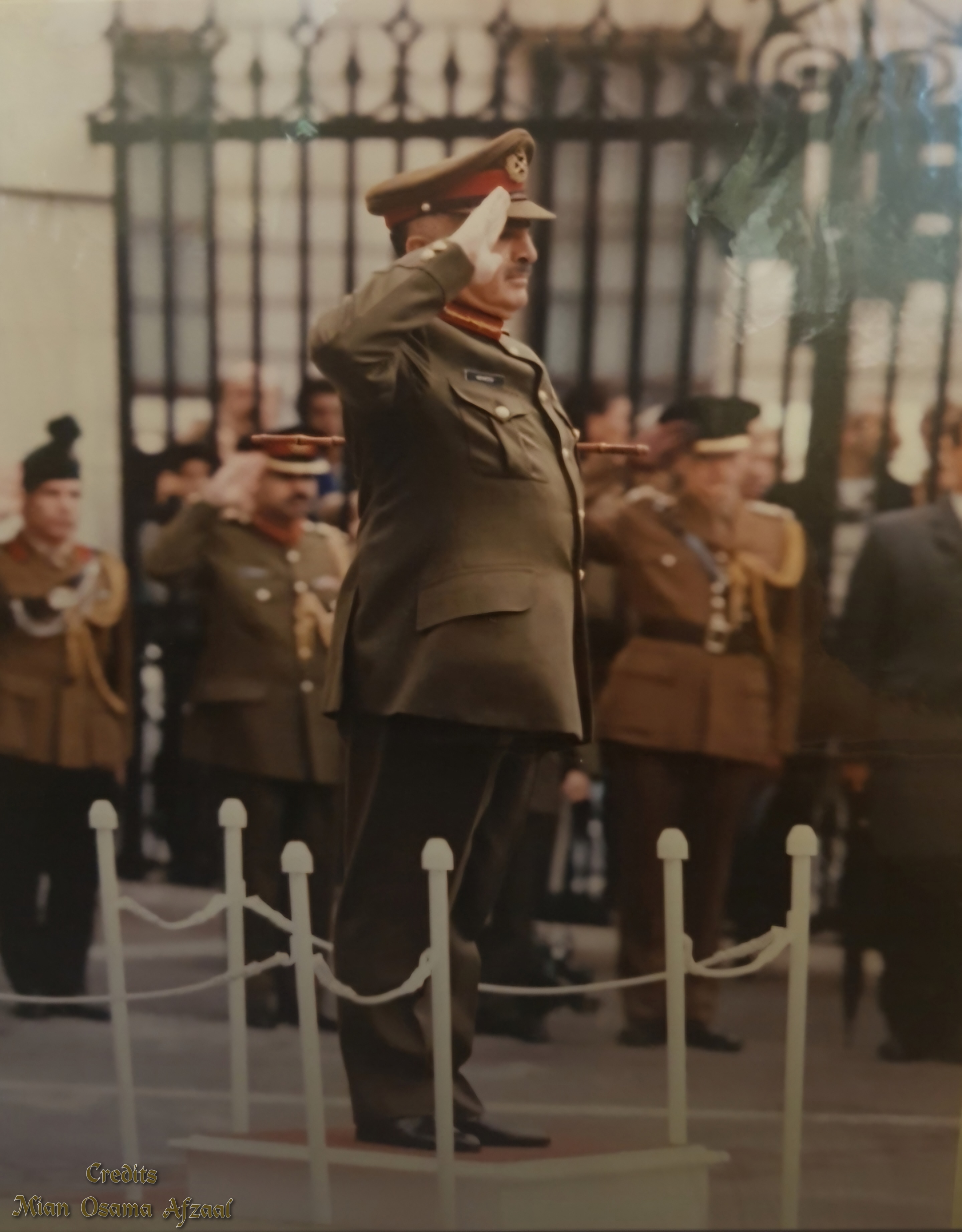
Former Chief of Army Staff General (retired) Abdul Waheed Kakar died in Rawalpindi on Monday, 26 October 2026, the Inter-Services Public Relations (ISPR), the military’s media wing, said. Dawn reported that Chief of Defence Forces and Chief of Army Staff Field Marshal Asim Munir and all ranks of the Pakistan Army “express deep sorrow” over his demise. Geo News and The Express Tribune carried the same statement.
The army’s tribute said that “the CDF and all ranks of the Pakistan Army pay tribute to the late General’s distinguished military career, leadership and invaluable services to the Pakistan Army”, and added that the army “shares the grief of the bereaved family and offers its heartfelt condolences”, Dawn reported.
President Asif Ali Zardari expressed sorrow over the death in a statement from his office, conveying condolences to the bereaved family and praying for the family to be granted the strength to bear the loss with patience, Dawn reported. Radio Pakistan, the state broadcaster, recorded the same condolence in its own report on the death.
Prime Minister Shehbaz Sharif expressed “deep grief and sorrow” over the general’s passing and paid tribute to his “invaluable services” to the Pakistan Armed Forces, the prime minister’s office said, according to Dawn and The Express Tribune. PTI chairman Barrister Gohar Ali Khan said in a statement that Kakar would “always be remembered with honour and respect” for his professional dedication and the manner in which he fulfilled his national duties, Dawn reported.
A chief remembered for a political settlement
Kakar served as Pakistan’s army chief from January 1993 to January 1996, Dawn reported. In that tenure he pressed then-president Ghulam Ishaq Khan and then-prime minister Nawaz Sharif to hand in their resignations, which set in motion the 1993 elections in which Benazir Bhutto was elected prime minister, the same report said. He retired at the end of his term.
What separates that tenure from most others in the army’s history is how it ended. Dawn noted in 2016 that Kakar had declined an extension offered by then-prime minister Benazir Bhutto, that he made no public statement about the decision, and that he “never appeared in public after retirement” — a claim the paper itself qualified six years earlier, when it described his remarks at a seminar organised by the “Friends of the Baloch and Balochistan” in May 2010 as a rare public appearance. Kakar had also served as corps commander of Quetta, Dawn reported at the time. At that seminar he said he was concerned about the missing people of Balochistan, and that many valuable lives, of soldiers and civilians alike, had been lost in the province.
The army’s own statement on Monday was careful about what it did and did not say. It described Kakar’s “distinguished military career, leadership and invaluable services” and stopped there. It did not mention the 1993 resignations, or the 1993 elections, or the extension he turned down. The institution marked a career rather than a political episode.
Why the army’s tribute carries weight
The statement came from the army itself rather than from a politician, and it was issued through the same channel the military has used for its own operational and institutional messaging. ISPR is the body that announced in July 2026 that 40,348 intelligence-based operations had been carried out that year, killing 2,084 terrorists, and it is the channel through which the army’s senior commanders set out the institution’s line on national security at the annual Corps Commanders’ Conference. A tribute from the current Chief of Defence Forces and Chief of Army Staff is therefore the army speaking about itself.
That matters because Kakar’s name is tied to the part of Pakistan’s political history when an army chief’s tenure is recalled for a negotiated handover rather than a takeover. The resignations he pressed for in 1993 opened the way for the elections that returned Benazir Bhutto to power, and the choice to end his own term without an extension, made without any public announcement, is the other half of how he is remembered. The tributes on Monday were about the office as much as the man: the institution marking one of its own.
The chain of command has changed since Kakar’s time. Field Marshal Asim Munir now carries both titles of Chief of Army Staff and Chief of Defence Forces, and the tributes on Monday came from that office, in the form the military uses for announcements of this kind: a short statement from the media wing, issued in the name of the office. What the public heard was the institution speaking through the post Kakar once held.
What is still uncertain
The military’s statement did not give a cause of death, and neither did the statements from the president’s office or the prime minister’s office. His age at death has not been stated publicly in the official announcements. No date or location for burial has been announced, and the government has not said whether it will declare a mourning period or lower the national flag at government buildings. No official account of his earlier postings, commands or decorations has been issued.