What happened
The 276th Corps Commanders’ Conference, held at General Headquarters in Rawalpindi on Monday 6 July 2026 and chaired by Field Marshal Syed Asim Munir, Chief of Army Staff and Chief of Defence Forces, said Pakistan would undertake all measures necessary to ensure the availability of its rightful share of water under the Indus Waters Treaty. The commitment was carried in the Inter-Services Public Relations statement issued after the meeting and reported by state and independent outlets.
The water commitment
The forum said it had taken note of Indian rhetoric surrounding the Indus Waters Treaty and reaffirmed the guidance contained in the National Security Committee directive of 24 April 2025. That directive holds that any attempt to stop or divert the flow of water belonging to Pakistan under the treaty, or to usurp the rights of the lower riparian, “will be considered an Act of War and responded to with full force across the complete spectrum of National Power.”
The statement comes amid a prolonged dispute over the 1960 treaty. India suspended its participation after the April 2025 Pahalgam attack in Indian-administered Kashmir, which New Delhi blamed on Pakistan without what Islamabad says is convincing evidence. In May 2026, the Permanent Court of Arbitration in The Hague upheld an earlier award that India cannot unilaterally suspend the treaty. Pakistan separately held a seminar in Islamabad on the water issue in the days before the conference.
Warning on cross-border militancy
The conference expressed serious concern over the continued use of territory under the control of the Afghan Taliban regime by groups it described as Indian-sponsored, naming Fitna al Khawarij and Fitna al Hindustan, to plan and launch attacks inside Pakistan. It said lasting peace and stability in the region depended on preventing the use of that territory, and held the Afghan Taliban regime directly responsible.
The forum said Pakistan had an unequivocal right to defend its people and that the armed forces would continue intelligence-based operations against terrorism emanating from Afghan Taliban-controlled territory under Operation Ghazab-lil-Haq. It also called for stronger governance in restive areas and for breaking what it called the terror-crime nexus.
Other points
The military leadership said that after what it termed the enemy’s comprehensive defeat in Marka-e-Haq, hostile forces had increasingly turned to externally backed hybrid warfare, proxy networks and disinformation to foment unrest, and pledged to counter such attempts with firm resolve. On Indian Illegally Occupied Jammu and Kashmir, the forum condemned what it described as human rights abuses and unilateral demographic changes and reiterated support for the right to self-determination in line with United Nations Security Council resolutions.
Field Marshal Munir, in his concluding remarks, directed commanders to speed up implementation of the military’s multi-domain transformation plan and to maintain vigilance and operational readiness against conventional, sub-conventional and hybrid threats.
Why it matters
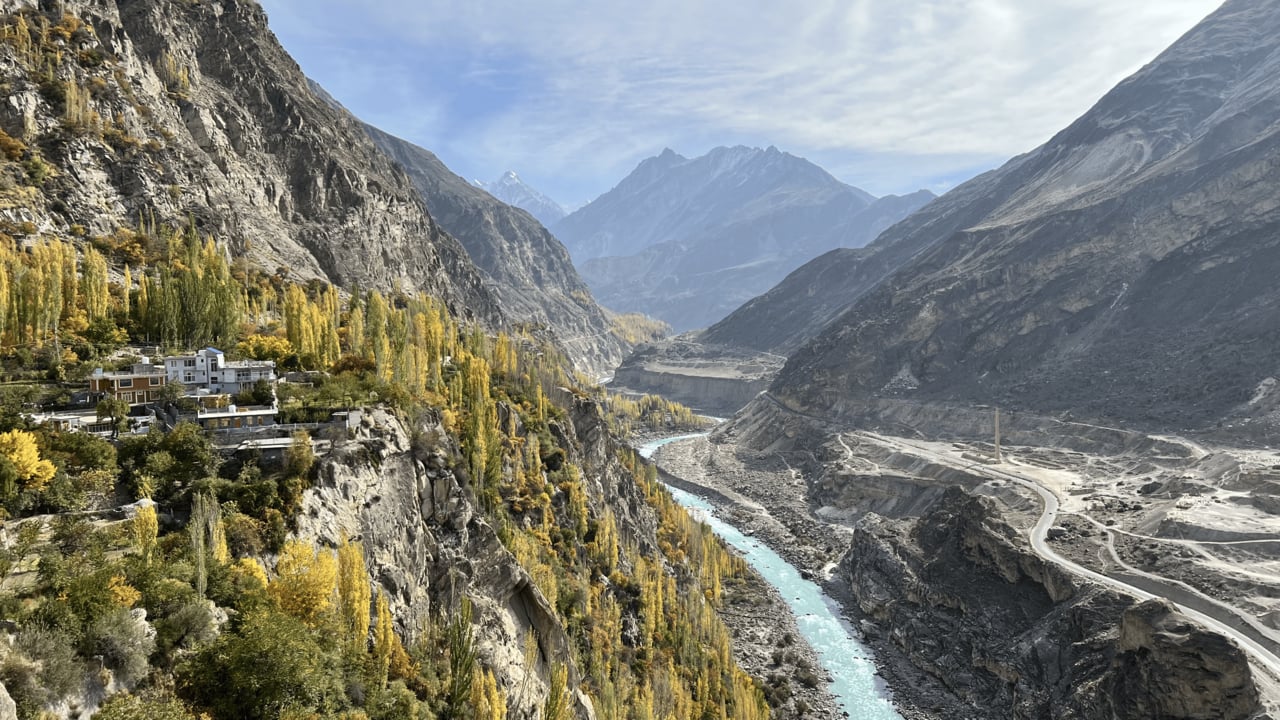
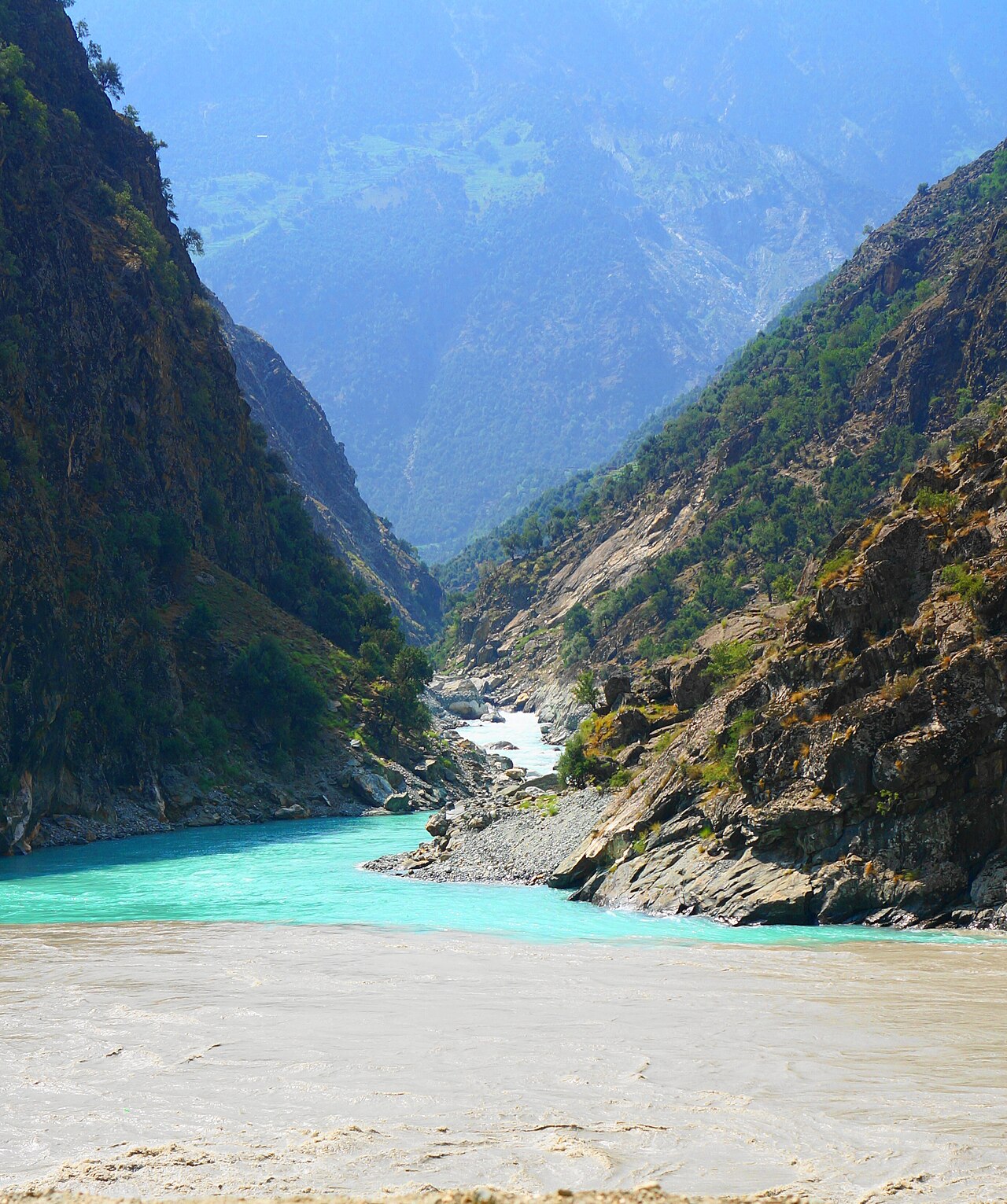
The Indus river system supplies the large majority of Pakistan’s surface water, and the treaty dispute is treated in Islamabad as an existential question of food, energy and economic security. By folding the water issue into a Corps Commanders’ statement alongside counter-militancy and Kashmir, the military signalled that it regards the treaty as a national security matter rather than a purely diplomatic one.
What is still uncertain
The account is the military’s own statement. It does not establish independently what actions India might take, and India had not responded in the reporting cited here. The conference is a standing leadership meeting rather than a new policy announcement; the measures it referred to were not itemised.
Sources & reporting notes
This is a summary of published reporting, not independent reporting. Details are as carried by the cited sources, which were reviewed on 2026-07-07.
- Associated Press of Pakistan — "CCC pledges all necessary measures to ensure Pakistan's Water Rights"6 July 2026 · The ISPR statement on the 276th Corps Commanders' Conference and its water commitment.
- The Express Tribune — "Army brass vows to take all measures to ensure Pakistan's 'rightful share of water' amid IWT tensions with India"6 July 2026 · Background on the treaty, the 24 April 2025 NSC directive and the May 2026 arbitration ruling.
- DND — "GHQ's Twin Warning: Neither terror accepted from Afghanistan, nor water aggression from India"6 July 2026 · The wording of the NSC directive and the conference's warnings on militancy.