What happened
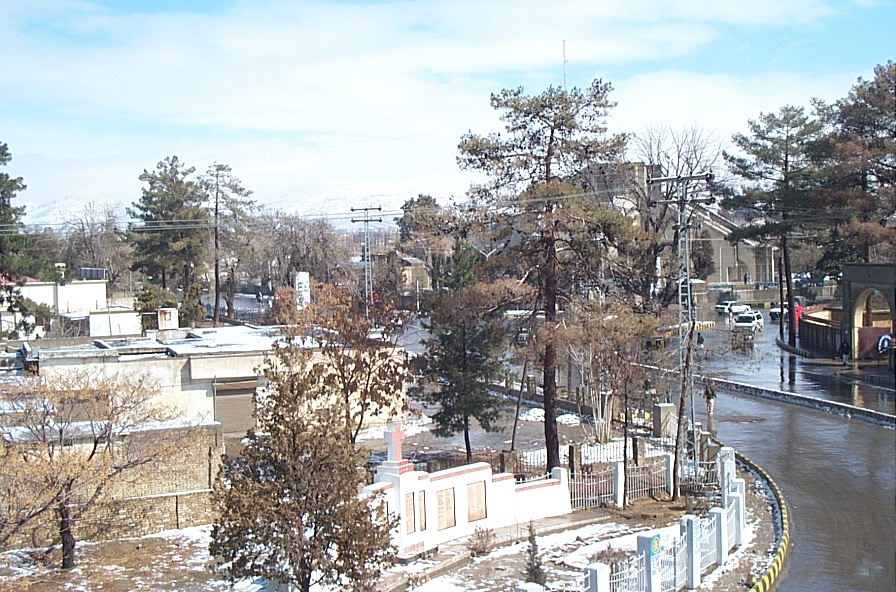
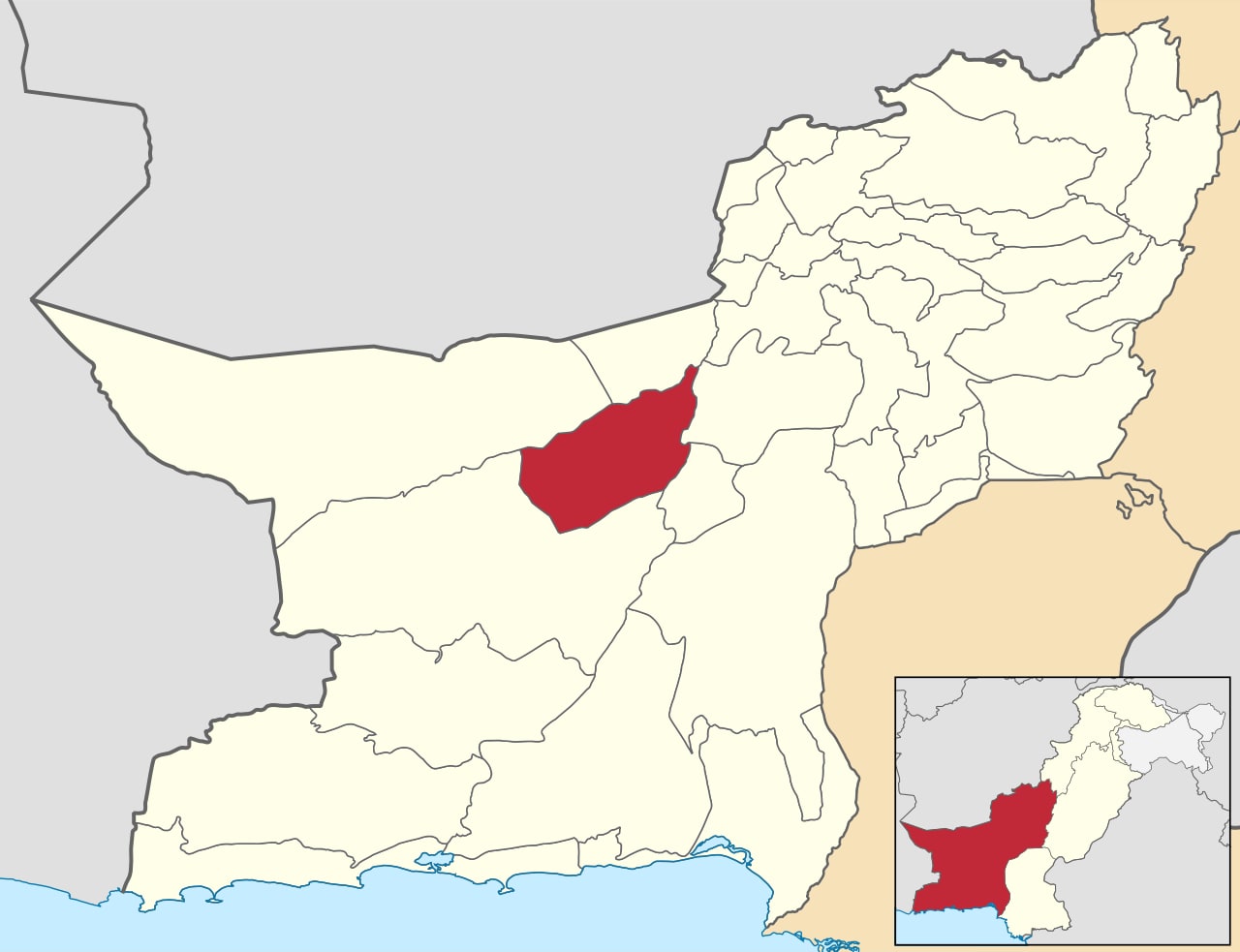
A wave of coordinated gun and bomb attacks struck cities and towns across Pakistan’s south-western Balochistan province on Saturday 31 January 2026, and by Sunday the province’s chief minister put the civilian and security toll at 48 dead while saying security forces had killed 145 attackers in a 40-hour counter-operation.
Chief Minister Sarfraz Bugti said 31 civilians and 17 security service personnel were killed, and that at least 145 attackers died during the gun battles that followed. He told a news conference in Quetta on Sunday that all the districts that had come under attack were cleared the same day, the BBC reported.
Junior Interior Minister Talal Chaudhry said grenade and gun attacks in Quetta and other districts targeted hospitals, schools, banks and markets, with attackers dressed as civilians and, he alleged, using civilians as human shields.
Why it matters
The BLA said it carried out what it called a coordinated operation, naming it “Herof”, or black storm. It claimed to have killed 84 security personnel and abducted 18 more, figures the BBC reported could not be independently verified and that the Pakistani military did not confirm. The group accuses the federal government of extracting Balochistan’s mineral wealth without benefit to its residents.
Bugti said the authorities had intelligence that an operation of this kind was being planned and had begun pre-operations a day earlier, DW reported. He said troops were still pursuing those involved.
Prime Minister Shehbaz Sharif praised the military and pledged to “continue the war against terrorism until its complete eradication”, the BBC said. Interior Minister Mohsin Naqvi travelled to Quetta for funerals, and Defence Minister Khawaja Asif said at a news conference that the attackers would be “completely eliminated”.
Pakistan’s government accused India of supporting the BLA. Delhi rejected the allegation, with an Indian foreign ministry spokesperson calling it “baseless” and saying Islamabad should address “long-standing demands of its people”, according to DW. The United States condemned what its charge d’affaires, Natalie Baker, described as acts of terrorist violence against security personnel and civilians.
What remains uncertain
The two accounts of the fighting diverge sharply on casualties. The figures given by the Balochistan chief minister have not been independently verified, and the BLA’s claim of killing 84 security personnel and abducting 18 is disputed. Pakistan has not published a detailed breakdown of those killed, and India has denied involvement.
Mobile phone services were jammed and regional train services suspended during the attacks, the BBC reported, and some administrative buildings and roads in and around Quetta were sealed off. The province, Pakistan’s largest by area, shares borders with Afghanistan and Iran and is the location of a long-running separatist insurgency.
Sources & reporting notes
This report relies on contemporaneous coverage published on 1 February 2026 and on the casualty figures and statements attributed to Balochistan's chief minister. Sources were reviewed on 1 February 2026.
- BBC News — "Deadly gun and bomb attacks hit Pakistan's Balochistan province"1 February 2026 · Primary for the 48 deaths, the 145 attackers killed, the BLA claim, the government accusations against India, and the security measures.
- DW — "Pakistan: 145 militants killed after suicide and gun attacks"1 February 2026 · Independent account of Bugti's news conference, the pre-operation intelligence, India's denial and the US condemnation.