Reporting snapshot · 23 November 2026 (Asia/Karachi). Neither ADB nor Neem disclosed the size of the investment, the stake taken or a valuation. ADB's statement gives one statistic on cash settlement without saying how it was measured, and it does not match the State Bank's own FY26 review, which is the record used here to test it.
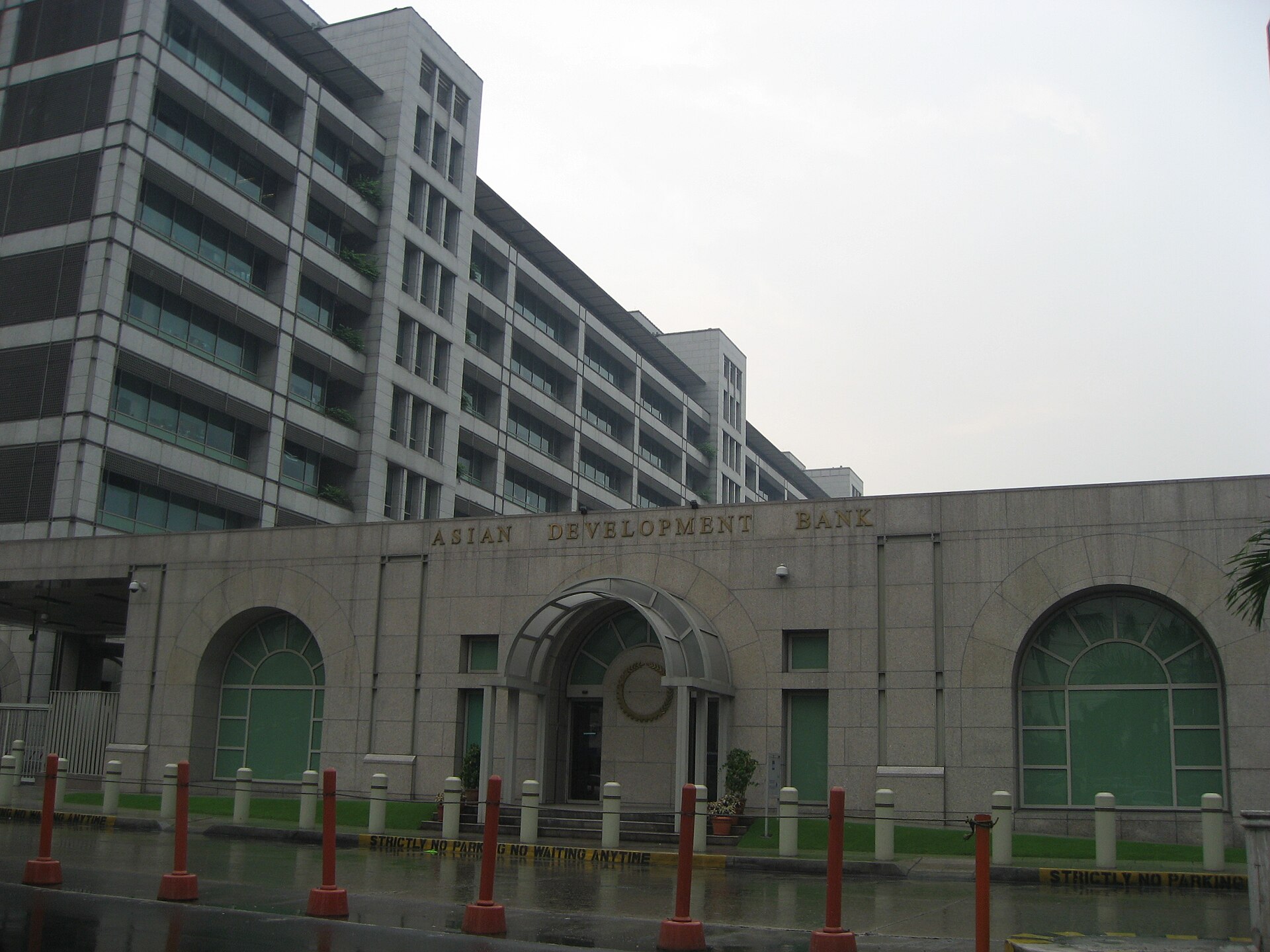
The Asian Development Bank said on Monday that it had invested an undisclosed amount in Neem, a Pakistan-based business-to-business payments company, through its venture capital arm, ADB Ventures. Dawn reported the investment on 23 November, and Profit by Pakistan Today reported the same announcement from ADB’s press release the same day. ADB described the money as a seed investment that will support Neem’s product development, the expansion of its team and the faster onboarding of enterprise and merchant clients across Pakistan.
Neem gives a business one place to handle money arriving, money tracked and money paid out. Its API-first platform combines payment collections, disbursements, a programmable ledger and finance workflows, and plugs into a company’s existing operating systems so that settlement and reconciliation happen in real time. The company serves more than 70 enterprise clients across logistics, utilities, insurance, manufacturing and retail, Neem said.
“Pakistan is laying a strong foundation for digital payments, and the next step is ensuring that businesses of all sizes can fully benefit from this progress,” said Emma Fan, ADB’s country director for Pakistan — a role listed on ADB’s Pakistan resident mission page. “Neem is helping enterprises move away from cash and fragmented systems toward payment solutions that are faster, more transparent and easier to manage.” ADB Ventures invests in early-stage technology companies across Asia and the Pacific, with financial technology, agricultural technology, climate resilience and inclusive growth among its interests.
The cash-share figure, and what the central bank’s own numbers show
Neem’s case rests on a gap ADB’s release describes in a single line. Consumer payments in Pakistan have been digitised, with the State Bank’s Raast instant-payment system and mobile wallets pulling millions of people onto digital rails, while business payments have not kept pace. Citing State Bank data, the release says an estimated 71 per cent of retail transaction value is still settled in cash.
That figure does not line up cleanly with the State Bank’s Annual Payment Systems Review for 2025-26, released on 6 October 2026. The review records that digital channels handled more than 92 per cent of retail payment transactions in FY26, up from 88 per cent a year earlier — but only 38 per cent of retail payment value, up from 29 per cent. On the review’s own figures, over-the-counter payments at branches and banking agents took Rs415.7 trillion of the Rs672.7 trillion retail payment total, about 62 per cent, against Rs432.9 trillion of Rs611.6 trillion in FY25, about 71 per cent.
Two things separate the release’s number from the review’s. Over-the-counter payments are not the same thing as cash: the review shows only 2 per cent of transfers by volume moved through branches and agents using cheques, pay orders and demand drafts, but those transfers carried 46 per cent of total retail payment value, against 28 per cent for digital fund transfers. And the review counts only payments routed through formal banking and payment channels, so cash handled outside them appears in neither its totals nor its digital share.
That leaves a gap the release does not close. ADB does not say which period its estimate covers or how it was measured, and the number is close to the over-the-counter share of value the review records for FY25, about 71 per cent, rather than the FY26 figure of about 62 per cent. Either the estimate predates the FY26 review, or it captures cash settled outside the payment system the central bank measures. On either reading, the 71 per cent figure and the review’s numbers describe different things, and the review’s own FY26 split is the one that can be checked against a published table.
A cheque that follows two earlier rounds
The money arrives after Neem has already raised twice. In September 2022, Profit by Pakistan Today reported that Neem had raised $2.5 million in seed funding from investors including SparkLabs Fintech, Arif Habib and Taarah Ventures, with the money going to scale its banking-as-a-service and lending business. In January 2026, the same outlet reported that Epic Angels, described as the world’s largest all-female investment collective, had led a pre-Series A round alongside DNI Group, Hi2 Global and AKD, backed by existing seed investors including Outrun Ventures, Arif Habib and MyAsiaVC and strategic angels from Stripe, PayNet and Aspire, to scale infrastructure, strengthen cybersecurity and expand into logistics, insurance, healthcare, e-commerce and agriculture.
So a third round, described as a seed investment, arrives at a company that has already raised a seed round and a pre-Series A. ADB’s release does not reconcile the label. The January report put Neem’s founding in 2024 by Vladimira Briestenska, Nadeem Shaikh and Naeem Zamindar, with core products launched in January 2025; the 2022 report put the founding in 2019 by the same three founders. Either way, the company is not a first-time fundraiser, and the label in the announcement is not a description of its stage.
What the money is for, and what it does not settle
No amount, stake, valuation or target was published. ADB’s release puts the use of the funds in broad terms — product development, a larger team and faster onboarding of enterprise and merchant clients — and the restated logic is that digitising a company’s payments draws its suppliers, small merchants and gig workers into documented channels. Neem’s lending book also lets employees draw wages they have already earned, a facility reported in 2024 as Paymenow and aimed at blue-collar workers in industries that employ large workforces.
What has changed since KhabarWire’s 14 November coverage of the cashless programme is that private capital has arrived at the gap the programme is trying to close. What the cheque does not settle is the payment-policy picture. The Finance Division has directed the State Bank to prepare a working paper for a Raast QR merchant discount rate, and no rate or timetable is public. Islamabad’s cashless deadline also stands: cash is to end at ICT and CDA department counters after 30 November, and every merchant in the capital is to take digital payments by 31 December. An investment in a private payments platform does not change either, and the hub follows that programme in the Cashless Pakistan hub.
Where the effect should show up is the next payments review. A measurable shift in business-to-business settlement would appear as over-the-counter value giving ground to digital channels, in the same tables KhabarWire read when the FY26 review came out. The review does not yet break out merchant payments from person-to-person transfers, so a claim about business payments moving would still have to be inferred from the channel split rather than read directly.