Reporting snapshot · 27 November 2026 (Asia/Karachi). The approval is a financing decision rather than a start on site: both projects still need clearance from the Executive Committee of the National Economic Council, and the bank has published no interest rate, maturity or disbursement schedule. The beneficiary numbers in the bank's announcement and in its own project sheets do not match, and both are set out here rather than one being chosen.
The Asian Development Bank approved two concessional loans totalling $468 million on Friday, 27 November, for water and agriculture projects in Khyber Pakhtunkhwa and Punjab, the bank said in its announcement. The money addresses two quite different problems: a canal network that carries water to farms in three districts of Khyber Pakhtunkhwa, and the flash floods that run off the Koh-e-Suleman foothills into Punjab’s southern districts. Dawn reported the decision the same day, with $208 million for the K-P irrigation project and $260 million for the hill torrent scheme.
Emma Fan, the bank’s country director for Pakistan, said the projects would “significantly contribute to strengthening food security, while responding to growing environmental pressures and the impacts of the changing climate”. The announcement says the financing will enhance food security “for about 728,000 people”. That aggregate does not match the bank’s own project sheets, the detailed records for each loan, which say the K-P project is expected to benefit approximately 1.84 million farmers and the Punjab project more than 365,000 people in Dera Ghazi Khan and Rajanpur. The announcement does not explain how its figure was calculated, so both versions sit side by side here.
The Pehur canal and the three districts that depend on it
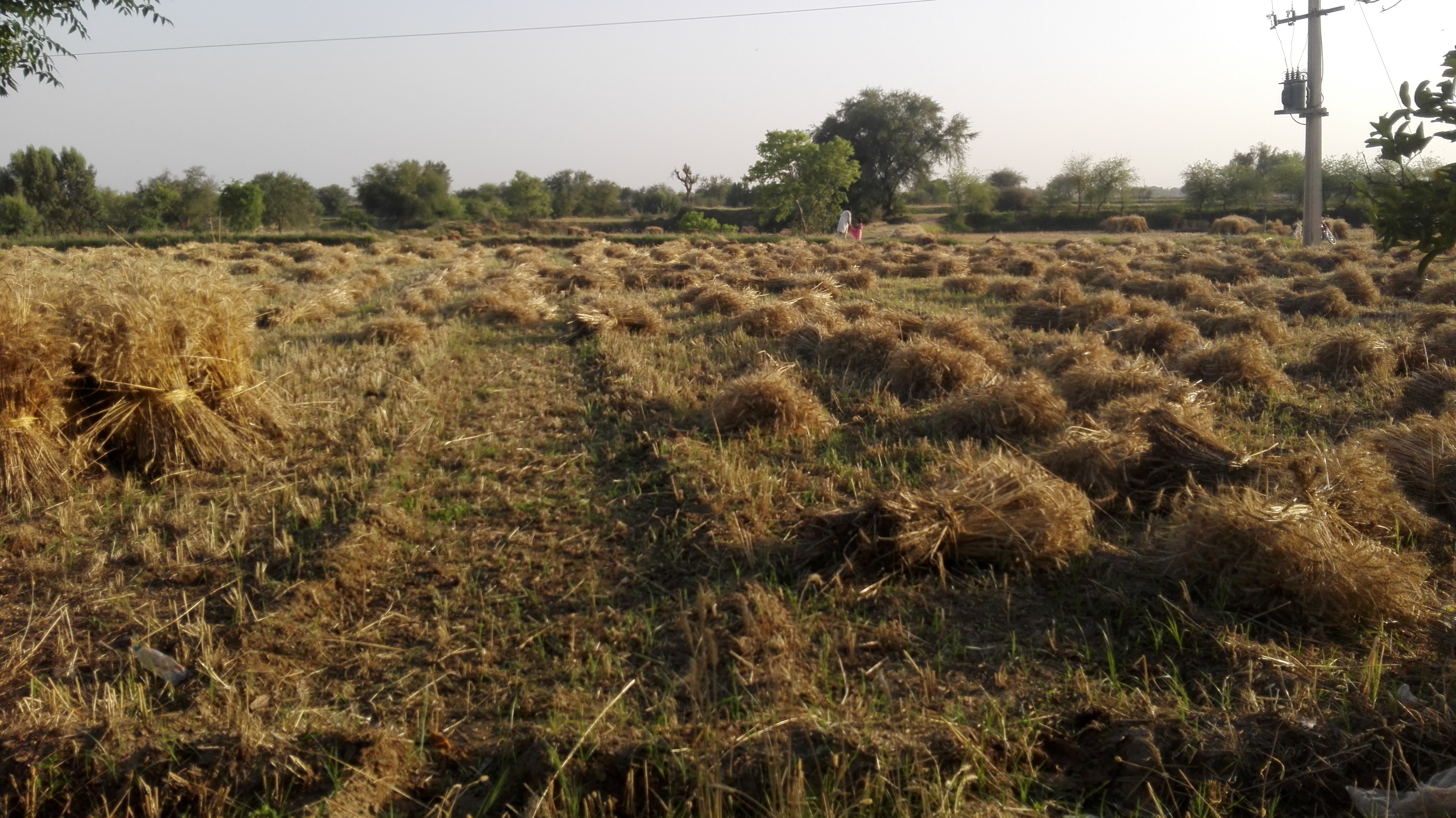
The $208 million loan goes to the Khyber Pakhtunkhwa Resilient Irrigated Agriculture Livelihoods Development Project, and its subject is water that has to arrive on time. The bank’s project sheet for the loan describes smallholder farmers in Nowshera, Swabi and Upper Chitral as facing chronic food insecurity and heavy exposure to climate risk, and says the project would expand irrigated and cultivable area, modernise and climate-proof existing infrastructure, and cut women’s unpaid labour by bringing water closer to where it is used. The announcement adds that the project will provide livelihoods training for women and support a larger role for them in water governance.
The engineering is less abstract. The project’s components are the rehabilitation of the Pehur Main Canal, the construction of the Mulkhow Irrigation Distribution System and an extension of the Pehur High Level Canal, according to the federal Planning Commission, which put the project before the Central Development Working Party on 26 October. The CDWP valued it at Rs69.893 billion and recommended it to the Executive Committee of the National Economic Council, with the ADB contributing Rs56.133 billion and the K-P government Rs11.692 billion, and land acquisition funded through a separate project document. Dawn reported at the time that the bank’s share was worth about $200 million, an estimate that has since become $208 million in the approved loan.
The provincial share is the part with an extra question mark attached. Khyber Pakhtunkhwa has been under governor’s rule since 11 October, when emergency rule took effect and an 11-member advisory council took charge of provincial business, and the province is now receiving development money directly from the centre: KhabarWire reported on 22 November that an initial Rs10 billion of a Rs160 billion package had been released to the province, with law and order taking the largest share of its published allocations. A canal rehabilitation programme in the same province is being financed by a lender in Manila, but the Rs11.692 billion that funds the local share has to be committed by an administration that has no provincial assembly to carry it.
Turning floodwater into a farm input
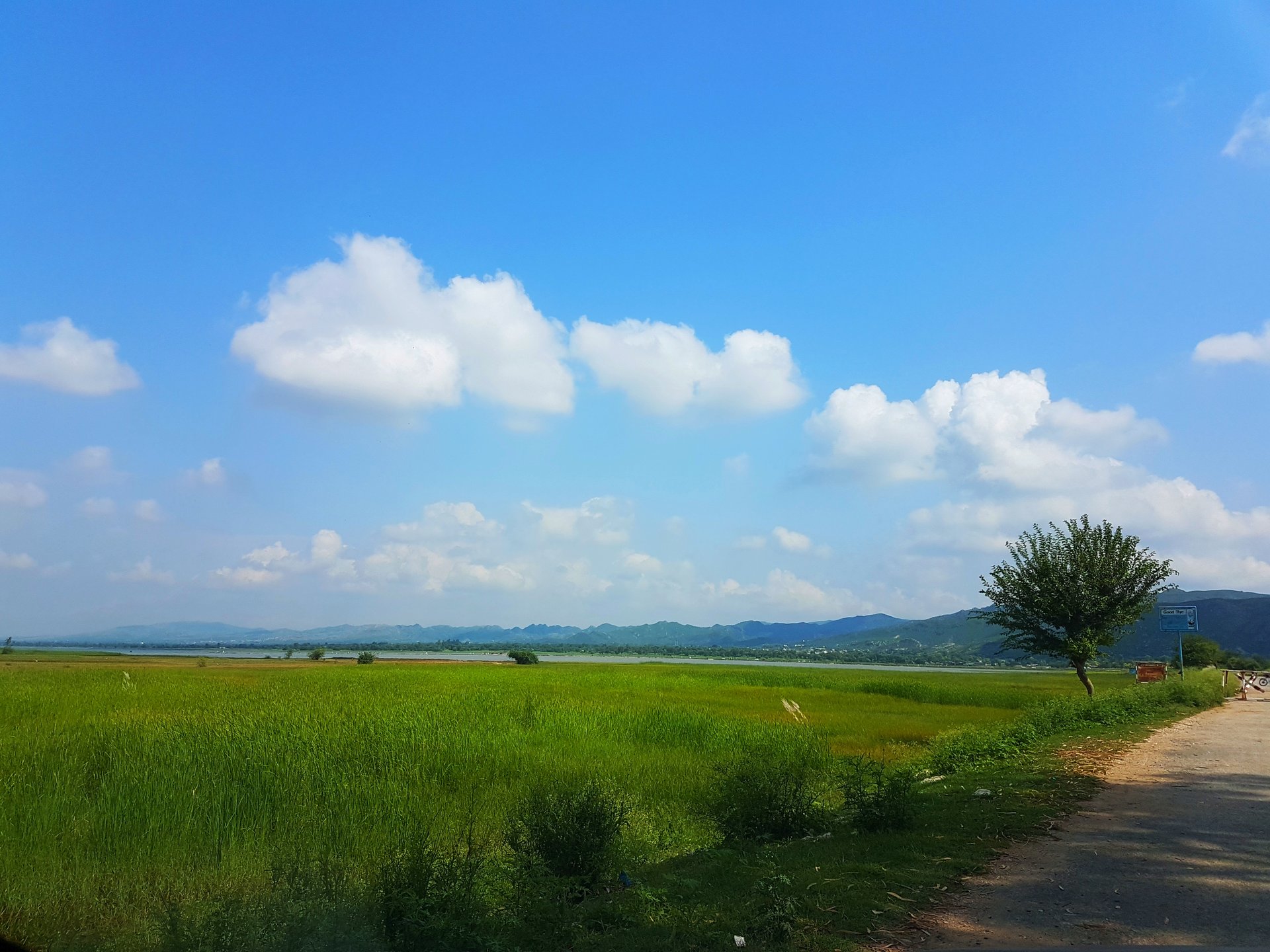
The $260 million loan funds the Integrated Hill Torrent Management Project, and it is a flood-control scheme that also tries to farm the flood. Hill torrents are the seasonal streams that come down off the Sulaiman foothills in a short, destructive rush; the bank’s sheet for the project says the work will treat the torrent water as both a risk and a resource, using spate irrigation, drainage, groundwater recharge and early warning across Dera Ghazi Khan and Rajanpur.
The scope is concrete because the groundwork was funded separately. The Punjab Irrigation Department, which is the project’s executing agency, prepared the feasibility studies, detailed designs and safeguard documents under an ADB readiness facility, loan 6027-PAK. The initial environmental examination for the Mithawan torrent, about 65 km south-west of Dera Ghazi Khan city, lists 24,794 acres of indigenous tree, grass and shrub plantation, 114 small ponds, 80 check structures and 20 solar pumps in the watershed, and a spate irrigation network of dispersion structures, wahs, outlet structures and storage ponds in the alluvial fan below it, with surplus floodwater to be carried away through existing cross-drainage on the Kachhi, Dera Ghazi Khan and Dajal canals.
The procurement plan, dated 21 October, puts the whole project at $303 million with the bank providing $260 million, sets the closing date at 30 June 2034 and lists the first packages for advertisement in the first half of 2027: afforestation contracts worth $5.16 million at the Chachar torrent and $6.85 million at Mithawan, and spate irrigation systems at both. The district-wide spate irrigation and watershed management contracts for Rajanpur and Dera Ghazi Khan are listed for 2028. The land acquisition and resettlement plan for the Chachar torrent, covering Tehsil Jampur in Rajanpur district, notes that the 2022 floods exposed weaknesses in existing dispersion and drainage arrangements and damaged crops, land, settlements and public infrastructure. The project is classified as requiring significant involuntary resettlement, and the resettlement plans are being prepared alongside the design.
The risk these works answer is not historic. KhabarWire reported in August that Pakistan’s fourth monsoon spell of 2026 killed 136 people and left 418 injured, with the National Disaster Management Authority warning of riverine, flash and urban flooding across several provinces including Punjab.
Three things between approval and first water
Three things stand between Friday’s approval and water moving in a canal. The first is domestic approval: both projects went to the Executive Committee of the National Economic Council at the CDWP’s recommendation on 26 October, and the federal government has not announced the committee’s decision. The second is the money that comes with the loans. K-P must provide Rs11.692 billion and Punjab Rs12.282 billion from their own budgets, on top of the separate land-acquisition costs, so the total each province is committing is larger than the headline shares suggest. The third is time: no contract for the Punjab works has been advertised, and the ADB’s own sheet for the K-P project still records an approval date of 12 November, with its data sheet last updated in September.
The bank has also published no loan terms. There is no interest rate, no maturity, no disbursement schedule and no list of the conditions attached to either credit, so the cost of the borrowing is not yet visible in any budget document. The bank’s Pakistan programme is otherwise active: it approved a $500 million results-based loan for federal pension reform on 17 November, as KhabarWire reported. Whether water arrives in Nowshera and Dera Ghazi Khan in 2028 or later depends on approvals that have not yet been given and on contracts that have not yet been tendered.