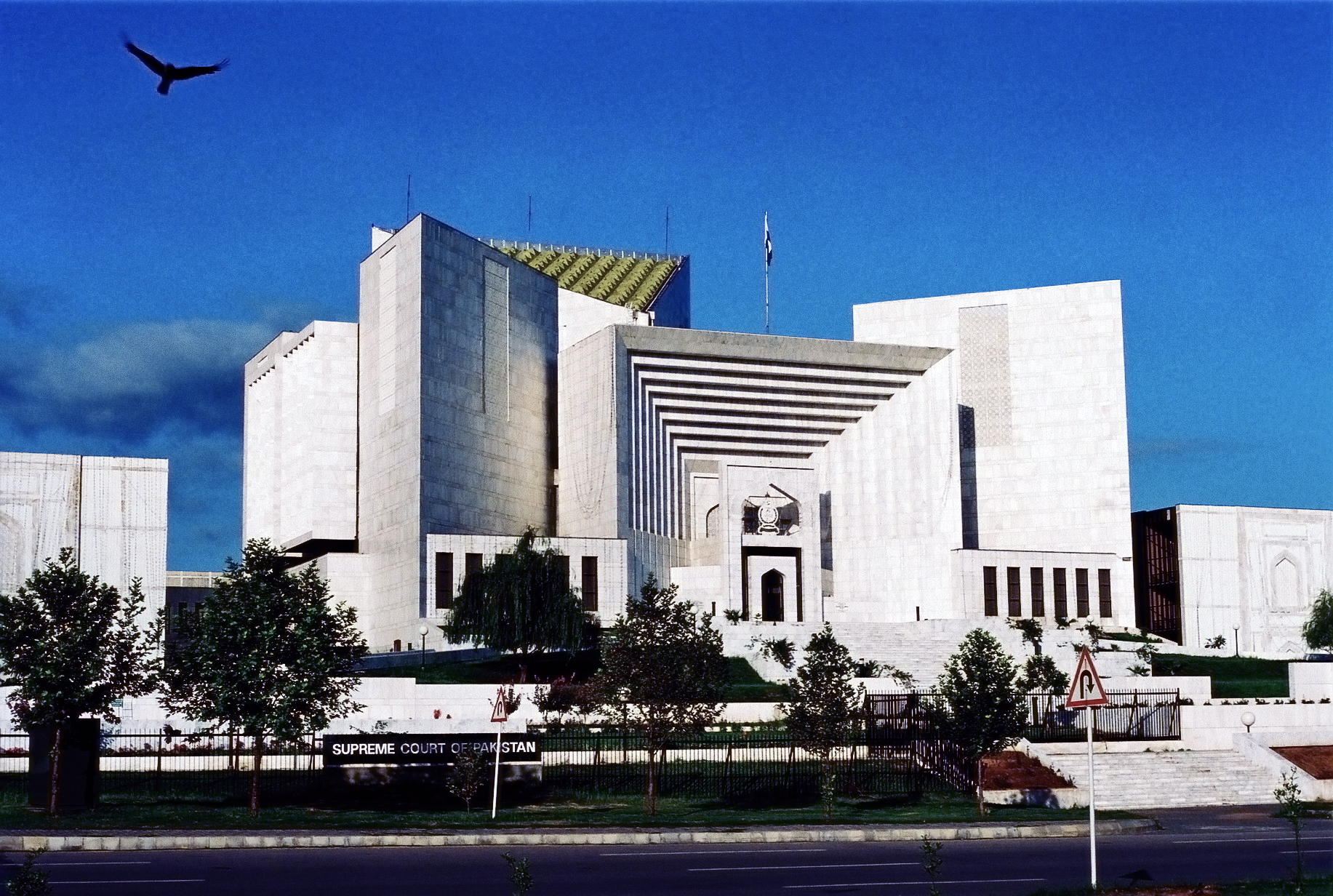
Reporting snapshot · 20 November 2026 (Asia/Karachi). The court announced its conclusion on 19 November but has not published its detailed judgment. It is not yet known whether cess already collected will be refunded, when collection will stop, or whether Sindh and Khyber Pakhtunkhwa will seek review.
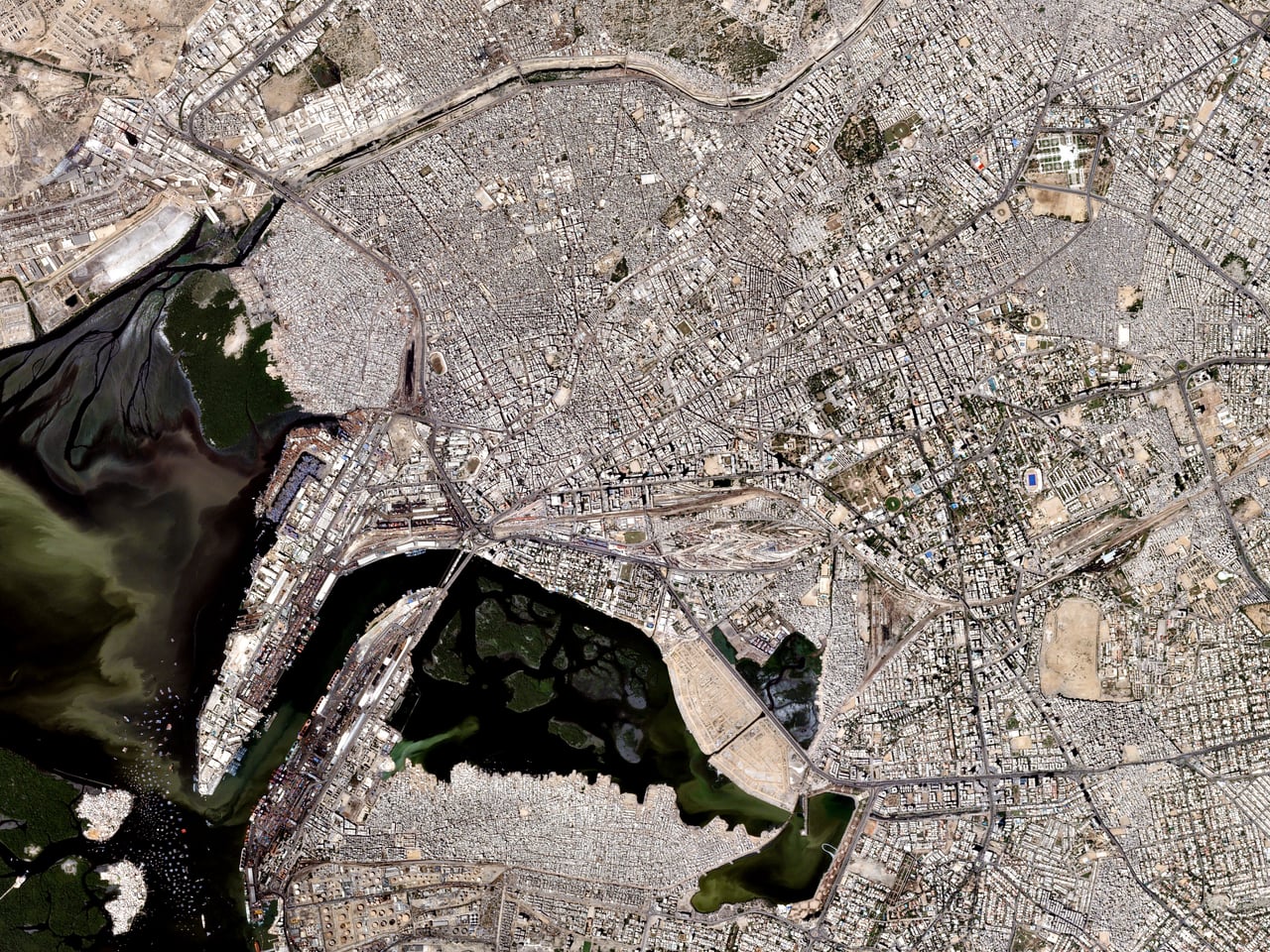
The Federal Constitutional Court has struck down the infrastructure cess laws of Sindh and Khyber Pakhtunkhwa, holding that the provincial assemblies exceeded their legislative authority and setting aside the high court judgments that had upheld the levies. A two-member bench headed by Chief Justice Aminuddin Khan and comprising Justice Aamer Farooq announced the reserved judgment on Thursday, 19 November, The News reported.
The court decided 568 appeals brought by importers, exporters and industrialists against the two levies, Profit reported. Its order set aside the judgments of the Sindh High Court and the Peshawar High Court, which had separately found the provincial laws valid, and declared the legislation unconstitutional, The Express Tribune reported.
Two laws, two different levies
In Sindh, the charge rested on the Sindh Development and Maintenance of Infrastructure Cess Act, 2017. It applied to goods entering or leaving the province through international air and sea routes. The dispute predates the law: The News reported that litigation over the Sindh cess dates to 1994, and that the 2017 Act gave the levy legal cover. The Sindh High Court upheld it on 4 June 2021, a decision that the appeals before the Federal Constitutional Court challenged directly.
In Khyber Pakhtunkhwa, the levy was created by the Khyber Pakhtunkhwa Infrastructure Development Cess Act, 2022 and applied to the transportation and movement of goods within the province. The provincial Finance Act, 2024 raised the rate from one per cent to two per cent and widened the levy’s scope. The Peshawar High Court dismissed 157 petitions against it on 14 November 2025, upholding the legislation; those dismissals were among the judgments the Federal Constitutional Court has now set aside.
The two schemes therefore taxed different stages of the same commercial chain. Sindh’s charge sat at the point where goods crossed into or out of the province from abroad, alongside customs and port formalities. Khyber Pakhtunkhwa’s sat on the movement of goods inside the province, closer to a domestic transport charge. The court found both beyond provincial competence, but its detailed reasoning on that difference has not been published.
The constitutional line the court drew
The argument turned on where a province’s power to tax ends and Parliament’s begins. The petitioners — importers, exporters and industrialists — contended that the levies were, in substance, duties on exports and on trade, matters reserved for the federation. They argued that the constitutional validity of a charge depends on what it actually taxes and the event that triggers it, not on the label a province gives it, Profit reported.
The federation supported that reading. Hafiz Ehsan Ahmed Khokhar, appearing for the Secretary of the Revenue Division and the Federal Board of Revenue, cited Articles 141 and 142(a) of the Constitution and Entries 27, 43 and 59 of the Federal Legislative List, which place imports, exports, customs and inter-provincial trade within Parliament’s exclusive legislative domain. He also argued that Article 163, which allows provinces to tax professions, trades and employments, did not authorise a levy on subjects reserved for the federation. The additional attorney general took the same side.
Sindh and Khyber Pakhtunkhwa defended the laws as provincial revenue measures rather than customs duties. They told the court that the money financed roads, transport networks and facilities for the safe movement of goods, and that Article 142(c) gave the provincial assemblies residual power to legislate on matters outside the Federal Legislative List. The high courts had accepted versions of that argument. The Federal Constitutional Court did not.
What the bench has not yet published is the reasoning that connects its conclusion to each law. The detailed judgment will matter for how far the ruling reaches, because the Sindh and Khyber Pakhtunkhwa schemes were drafted differently and collected in different ways. It will also show whether the court treated the charges as taxes on goods, as fees for a provincial service, or as something else again.
Why the case carried beyond the two provinces
The ruling lands in the middle of a wider argument about fiscal federalism. Pakistan’s provinces raise their own revenue, but the most productive taxes sit with the federation, and the divisible pool is shared under the National Finance Commission Award. A provincial levy on goods moving in trade is one way for a province to reach revenue it does not get from the federal pool. The counter-argument, which the court has now accepted, is that such a levy can become a customs duty in all but name and fragment the country’s trade regime.
For businesses, the immediate effect is that the legal basis for the two levies has gone. The court’s order set aside the laws and the high court judgments that sustained them. It is not yet clear what the provincial excise departments, customs officials or port authorities will do next, how quickly the charges will disappear from clearance documents, or whether any amounts already paid will be returned.
The decision also adds to the record of a court that is still establishing how it will use its authority. The Federal Constitutional Court was created by the 27th Constitutional Amendment, and in November it ruled that Supreme Court judgments do not bind it. On tax, it has already given detailed reasons for striking down the Section 7E property levy and has ruled on the use of tax credits against the super tax. The cess decision extends that line into the division of taxing power between Islamabad and the provinces.
What to watch when the detailed judgment appears
Three questions will decide the practical consequences. The first is timing: whether the ruling applies only from now on or reaches cess collected in earlier years, including the long Sindh litigation that began in the 1990s. The second is money: Sindh and Khyber Pakhtunkhwa built parts of their infrastructure budgets around these levies, and neither has said publicly how it would replace the revenue. The third is scope: the court’s treatment of the Khyber Pakhtunkhwa charge on goods moving inside the province will be read closely, because it tests how far the federal trade power can reach into activity that takes place within a province’s borders.
Until the detailed judgment is published, the safest description of the ruling is also the narrowest: the two laws are void, the high court decisions that upheld them are set aside, and the 568 appellants have won. What that means for a truck moving goods across Sindh, a consignment cleared at Karachi port, or a provincial road budget will become clearer when the court explains itself.