What the leadership said
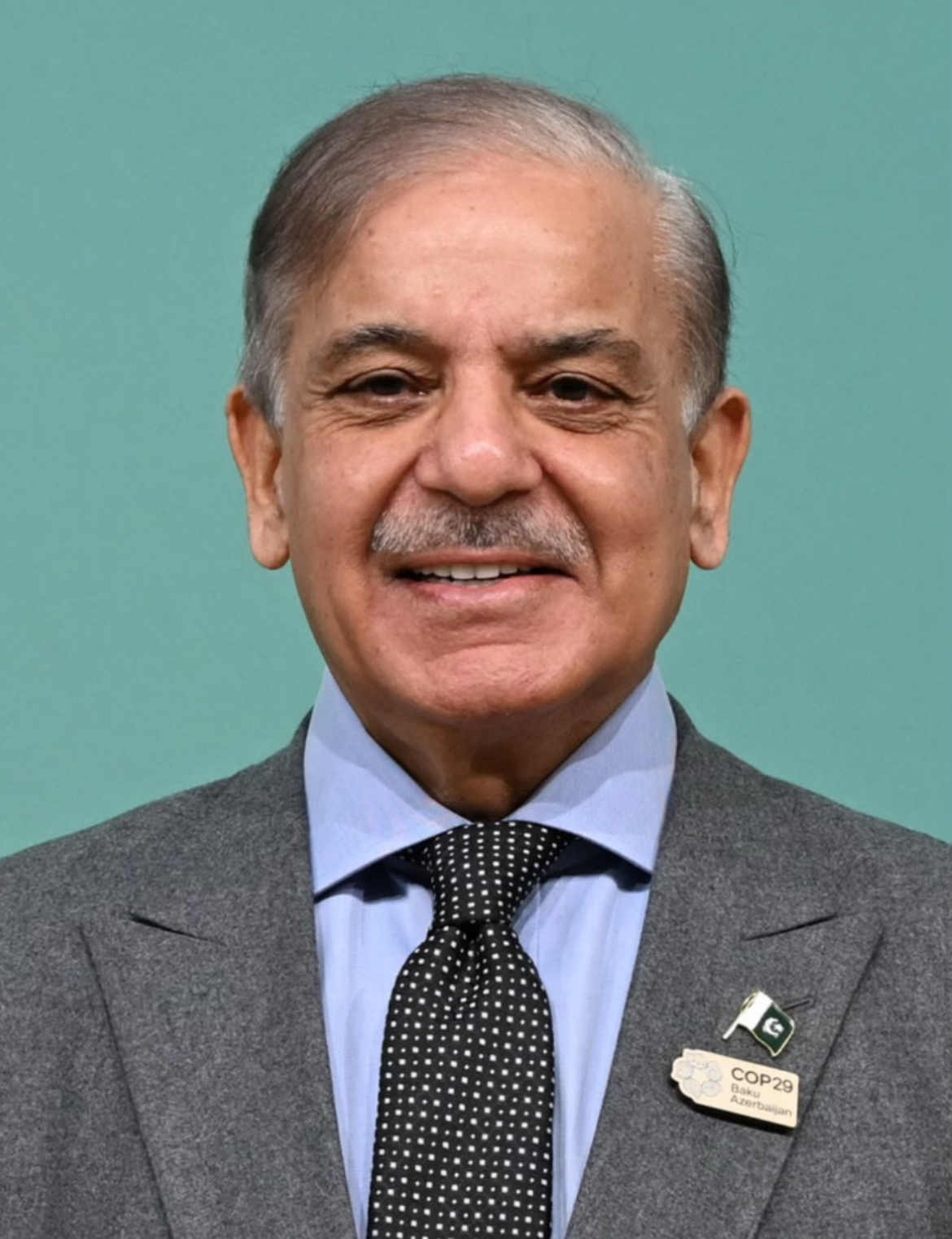
Prime Minister Shehbaz Sharif used World Water Day on Sunday 22 March 2026 to call access to clean water a basic human right and to warn that Pakistan faces a severe water crisis, while President Asif Ali Zardari pressed India to restore the Indus Waters Treaty (IWT) it suspended. The prime minister said per capita water availability had fallen from 5,260 cubic metres at the time of independence to less than 1,000 cubic metres today, and blamed unpredictable rainfall and glacial change driven by climate change. Dawn reported the president’s message and Pakistan Today carried both statements, as did Samaa.
Speaking to this year’s theme, “Water and Gender Equality: Where Water Flows, Equality Grows,” Shehbaz said women, particularly in rural areas, carry the primary responsibility for household water management and lose time that would otherwise go to education or economic activity. President Zardari made the same point, saying women and girls bear the heaviest burden when safe water is unavailable and that they spend hours fetching it. He urged households and communities to adopt rainwater harvesting and other conservation measures to replenish aquifers.
The Indus Waters Treaty dispute
In a separate World Water Day message, President Zardari condemned India’s unilateral suspension of the 1960 treaty as a “deliberate weaponization of shared water resources,” saying it disrupted hydrological data-sharing, impeded agreed mechanisms and violated the letter and spirit of an agreement that has governed the Indus river system for more than six decades. He said the conduct threatened food and economic security, jeopardised the livelihoods of millions and set a dangerous precedent for transboundary water management, and called on India to restore full implementation in line with its international obligations.
India announced the suspension of its IWT obligations in April 2025 after an attack on tourists in occupied Kashmir’s Pahalgam that killed 26 people, an incident New Delhi blamed on Islamabad without providing evidence. The World Bank-brokered treaty allocates the three western rivers — the Indus, Jhelum and Chenab — largely to Pakistan and the three eastern rivers — the Ravi, Beas and Sutlej — to India.
Pakistan’s water plans
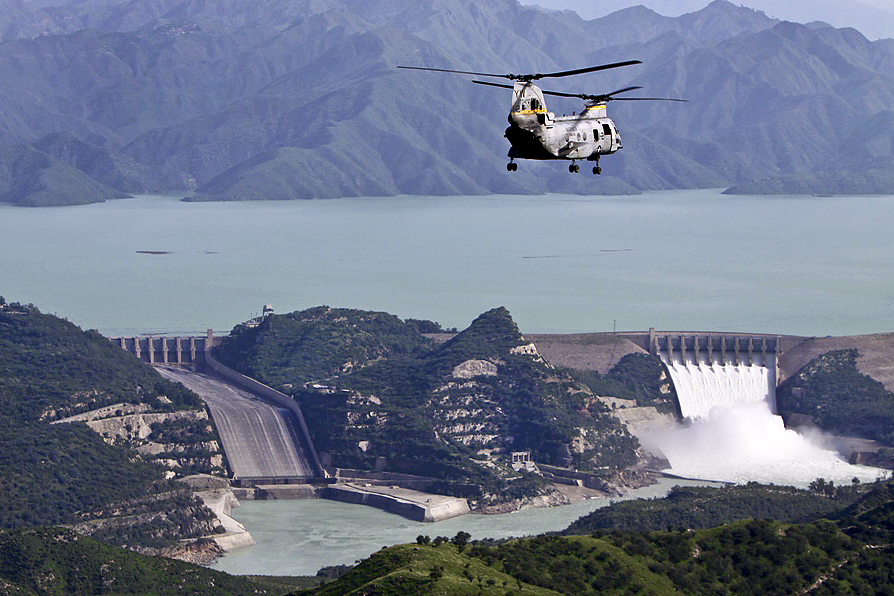
The prime minister pointed to reforms under the National Water Policy and said the federal government was building 18 small, medium and large dams under the Public Sector Development Programme, including the Diamer-Bhasha and Mohmand dams for storage and drinking water, and the Naulong and Nai Gaj dams for irrigation. He listed the Greater Karachi Water Supply Scheme (K-IV), the Chiniot Dam for Faisalabad, and the Kachhi Canal and Chashma Right Bank Canal as projects to supply irrigation and drinking water to Balochistan and the Khyber Pakhtunkhwa plains. The government aims to cut water wastage by 33 per cent and raise canal-system efficiency by 30 per cent, he said, and the Indus River System Authority is installing a nationwide telemetry system by 2027 to make river flows transparent and help resolve inter-provincial disputes. “Pakistan is committed to protecting its national water rights and strongly condemns any form of water aggression,” Shehbaz said.
Why it matters
The messages place water scarcity and the stalled treaty at the centre of Pakistan’s climate and food-security agenda on a day when the country’s leadership was also managing a fuel crisis. The prime minister’s framing of water as a rights and gender issue, and the president’s invocation of international law, align the government’s domestic dam programme with its long-running objection to India’s suspension of the treaty. The dispute has wider stakes: agriculture accounts for a large share of Pakistan’s economy and employment, and the IWT is the framework that has governed the two neighbours’ use of the Indus system since 1960.
What remains uncertain
Pakistan did not announce new financing or a completion timeline for the listed dams, nor did it say when the IRSA telemetry system would cover every province. India has tied any resumption of the treaty to its allegations about cross-border terrorism, which Pakistan rejects, so the diplomatic standoff is unresolved. The two statements also did not set out what Pakistan would do at the Permanent Court of Arbitration, which in June issued a supplemental award of competence finding that India cannot unilaterally hold the treaty in abeyance.
Sources & reporting notes
A contemporaneous synthesis of Pakistan reporting published on or shortly after 22 March 2026, not eyewitness reconstruction. Sources were reviewed on 22 March 2026. This article is distinct from KhabarWire's earlier coverage of the [Indus Waters Treaty dispute at the World Bank and United Nations](/blog/pakistan-indus-waters-treaty-world-bank-un-2026-02-15/).
- Dawn — On World Water Day, President Zardari calls on India to restore Indus Waters Treaty22 March 2026 · Reports the president's message, the "weaponisation" wording, the treaty's river allocations and the April 2025 suspension and June arbitration finding.
- Pakistan Today — PM terms clean water a basic human right as President slams India over IWT violations22 March 2026 · Carries the prime minister's per capita water figures, the dam and canal list, the 33 per cent wastage-reduction and 30 per cent efficiency targets, and the IRSA telemetry plan.
- Samaa — World Water Day: PM Shehbaz warns of water crisis22 March 2026 · Corroborates the prime minister's warning, the National Water Policy reforms and the president's comments on the unequal impact of scarcity.