Reporting snapshot · 4 November 2026 (Asia/Karachi). The order expires on Saturday and the government has not said whether it will book new flights after that. The main limitation is that the court decided only what this week's removals may do; it did not rule on whether the deportations are lawful, and no Pakistani official has published the terms of any arrangement.
What the judge ordered
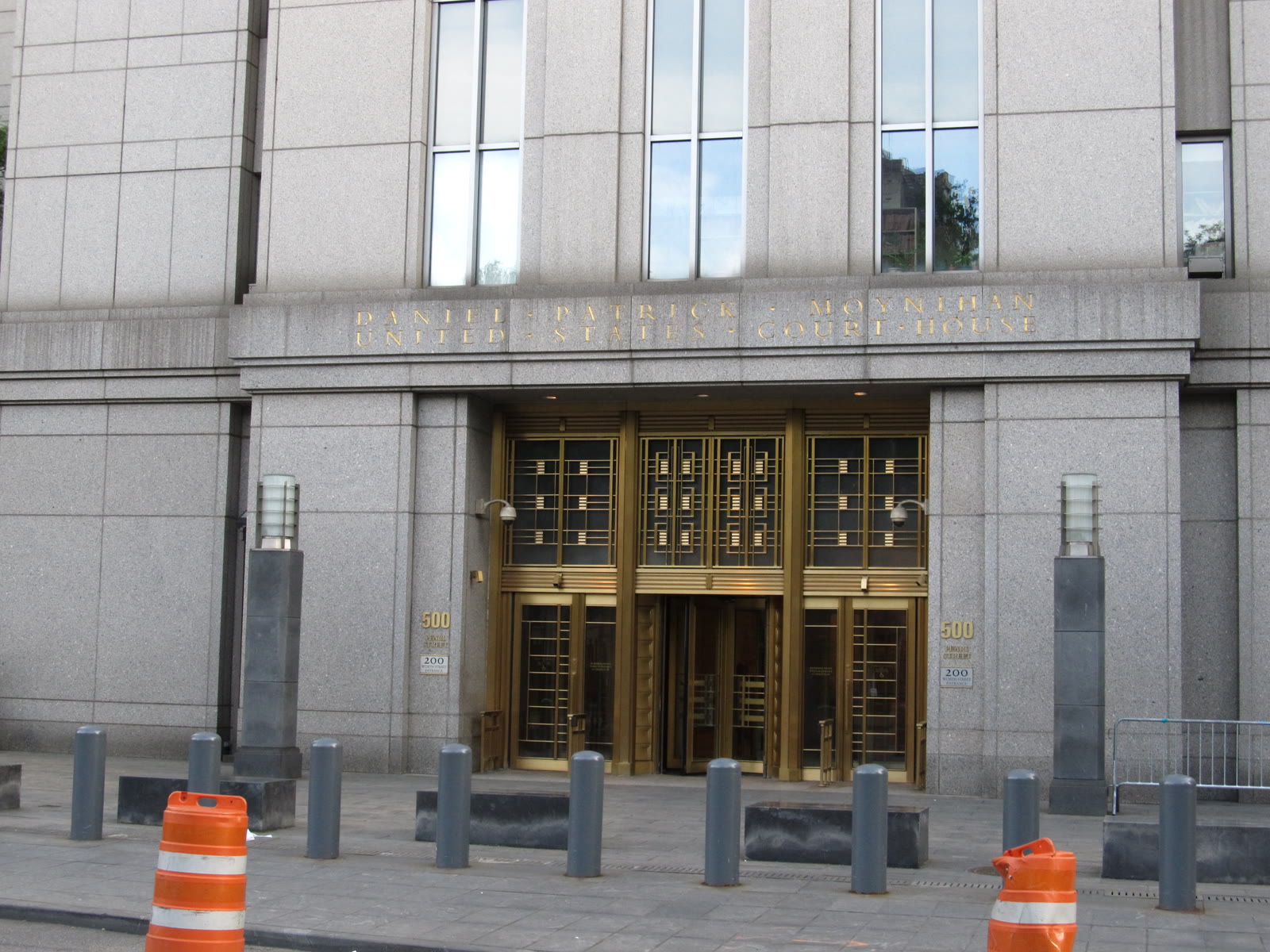
A federal judge in New York on 3 November temporarily blocked the United States from deporting more than 150 Afghans held in immigration detention to Afghanistan or Pakistan, days before a flight was expected to leave Louisiana. Judge Valerie Caproni of the US District Court for the Southern District of New York issued the order, which runs until Saturday, 7 November, The Independent reported.
The order rested on a statement the government made in court rather than on a finding about the deportations themselves. Caproni wrote that the government “has effectively represented that no Afghanistan nationals will be deported from the United States to Afghanistan or Pakistan this week”, and directed officials to abide by that. Christopher George, a deputy assistant director at Immigration and Customs Enforcement (ICE), told the court there were “no planned or confirmed chartered or commercial flights” for such removals this week, according to court documents cited by Agence France-Presse.
The judge did not rule on whether removing the Afghans would be lawful, and did not address what would happen to them after arrival. Her order is a pause tied to the government’s account of this week’s flight schedule, not a decision on the merits of the cases.
Why the flight mattered
The group at the centre of the case is the one KhabarWire described on 1 November, when sealed filings in federal courts in Virginia and Oklahoma showed Afghan detainees scheduled for removal from Louisiana to Pakistan with onward transport to Afghanistan, and advocates said a flight had been booked for the following Tuesday. That report noted that more than 150 people were expected to be removed, that several were relatives of Afghans who worked with US forces, and that no Pakistani official had confirmed Islamabad’s role.
Court filings and advocates have since filled in some of the picture. The Independent reported that more than 80 detained Afghans contacted lawyers and advocacy groups after ICE notified them they could be deported this week, and that most fled Afghanistan because of persecution and have no legal representation. Among those listed for removal, according to the same report, were a woman, a gay man, a former university student who told the court that Taliban fighters had beaten him until bones in his foot broke, and a person whose relative helped the US military. Homosexuality is criminalised under the Taliban’s interpretation of Sharia, women face sweeping restrictions on movement, work and education, and Afghans who assisted Western forces have been targets.
The political pressure had been building for days. Sixty-six members of Congress, led by California Democrat Scott Peters, wrote to Secretary of State Marco Rubio and Homeland Security Secretary Markwayne Mullin on Monday saying they were “extremely concerned that sending vulnerable people” would expose them to “persecution, torture, or even death”, The Independent reported. Lawyers for the detainees argued that removing them to Pakistan, which they described as being at war with Afghanistan, would put them at risk of persecution and violate treaties the United States has signed.
Advocates treated the order as a delay, not an end. “Today is a good day,” Shawn VanDiver, president of AfghanEvac, said at a news conference. “But I want to be honest with you, this is a reprieve, not a resolution. We haven’t stopped this fight forever. This is just a pause.” Savitri Arvey of Human Rights First said the stakes had been “very, very high” and that her organisation would keep tracking flights.
Why Pakistan is central to the plan
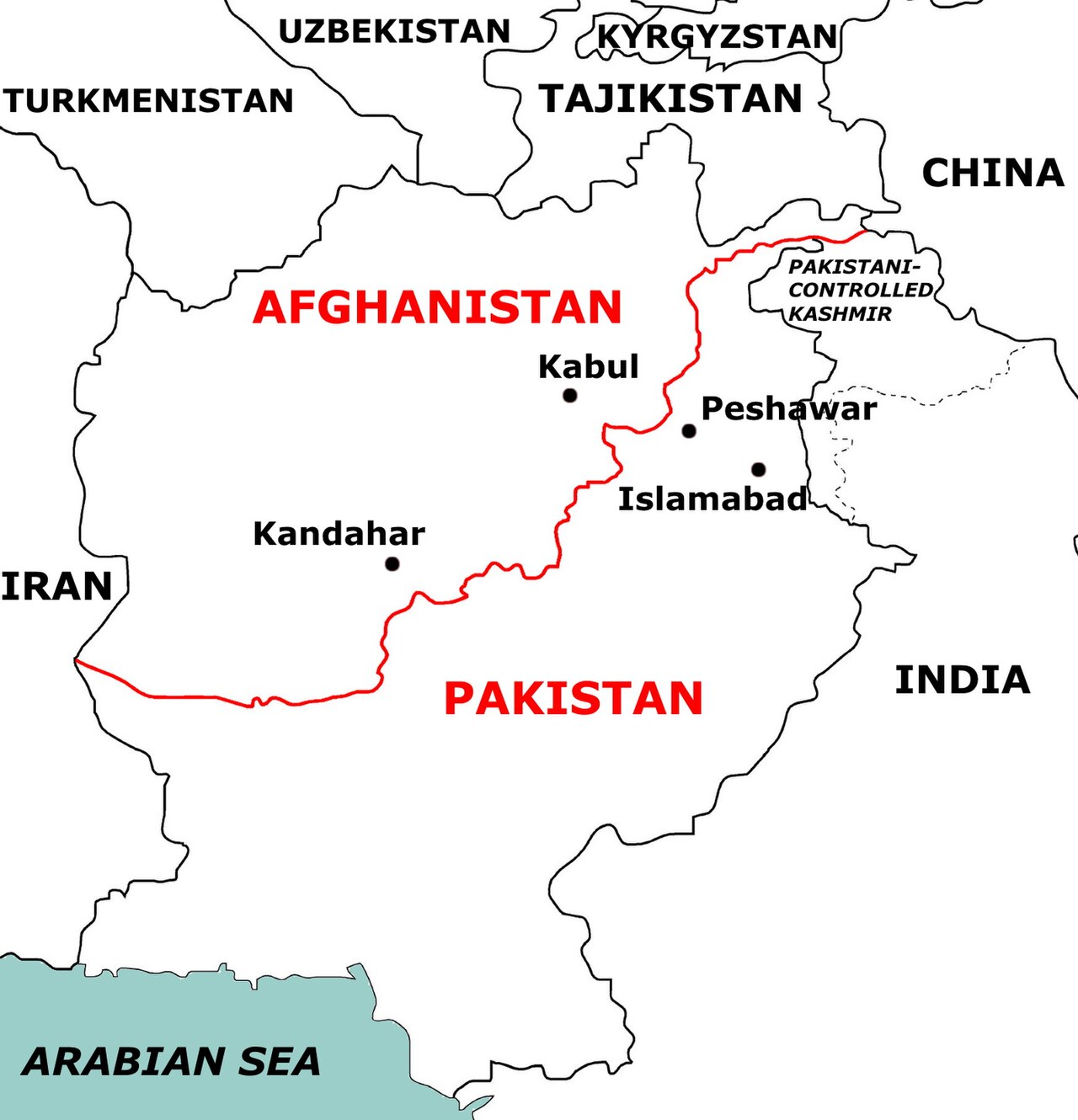
The route runs through Pakistan because Washington has no formal diplomatic relations with the Taliban government and cannot send people directly to Afghanistan. Under the arrangement described in the filings and by US officials, Pakistan would receive the detainees and oversee their onward movement to the Afghan border. AFP reported that Pakistan’s government ordered law enforcement nationwide to arrest Afghan citizens without visas earlier in 2026, part of a repatriation policy that has pushed back millions of Afghans, and that relations with Kabul have been strained since the Taliban returned to power and worsened after deadly border clashes in October 2025, Agence France-Presse reported.
What Islamabad agreed to remains unpublished. No Pakistani ministry has set out the terms of the transit, the number of people it would accept, or what would happen to them on arrival. Arvey said advocates still had no information about the arrangements the United States had made with Pakistan. KhabarWire’s Pakistan–Afghanistan border hub follows the wider file this operation sits inside, including the diplomatic rupture after the Taliban talks failed.
The Taliban government, which had been silent when the plan first surfaced, voiced “serious concern” on 2 November. Deputy foreign ministry spokesman Zia Ahmad Takal called on Washington to base decisions on the rights and “legitimate demands” of those involved, and said “third-party countries should not engage in dealings concerning the fate of another nation’s citizens”. Spokesman Abdul Qahar Balkhi said the Afghan side was ready to interact “in a practical and mutually understanding manner”, according to The Independent.
What is still uncertain
The order expires on Saturday. ICE books removal flights weeks in advance, so the practical question is whether the government schedules another flight after the pause lapses, and whether a court would then examine the risk of return rather than the existence of a booking. The Department of Homeland Security declined to discuss future removals, saying ICE “does not comment on prospective removal operations, including flight schedules, passenger manifests, destinations or individual case details”.
A 2025 departmental memo says third-country deportations require a diplomatic assurance from the receiving government that the people sent there will not face persecution. Nothing published so far shows whether Pakistan gave such an assurance, or what it covered. The court also left untouched the broader question the lawmakers raised: whether returning Afghans to Taliban rule is safe for people who worked with US and Nato forces, and for women and minorities.
For now, the practical outcome is narrow and dated. No Afghan national is to be removed to Afghanistan or Pakistan this week, and the people who were told to prepare for a flight remain in the United States. Whether that becomes a longer halt depends on the next filing, the next flight manifest and a government that has said little beyond what it told the judge.