Reporting snapshot · 20 November 2026 (Asia/Karachi). Türk's remarks were made in a broadcast interview rather than a formal UN statement, resolution or court finding, and he set out no mechanism or timetable. Pakistan's government had not responded publicly to the interview when this was published, and the accounts of it rest on the two Pakistani newspapers that reported his words.
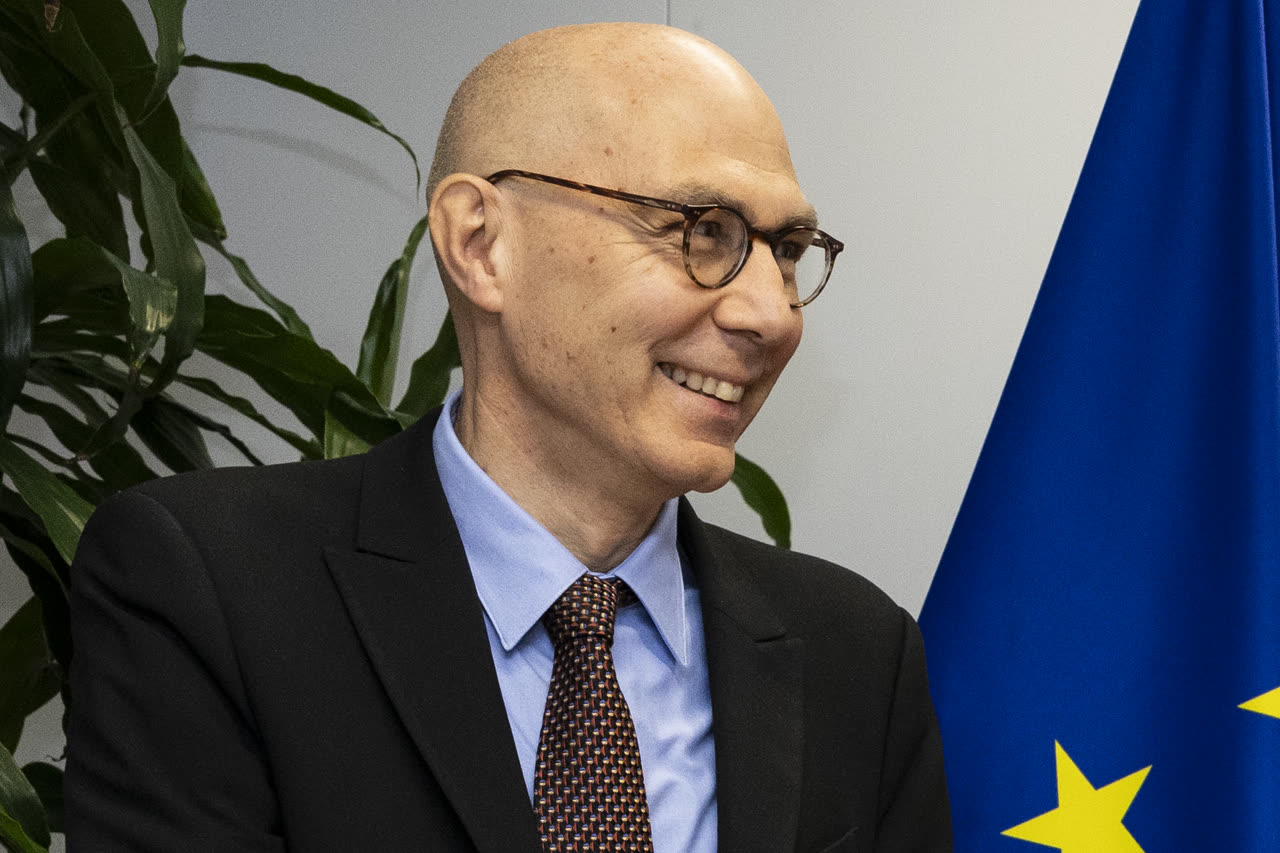
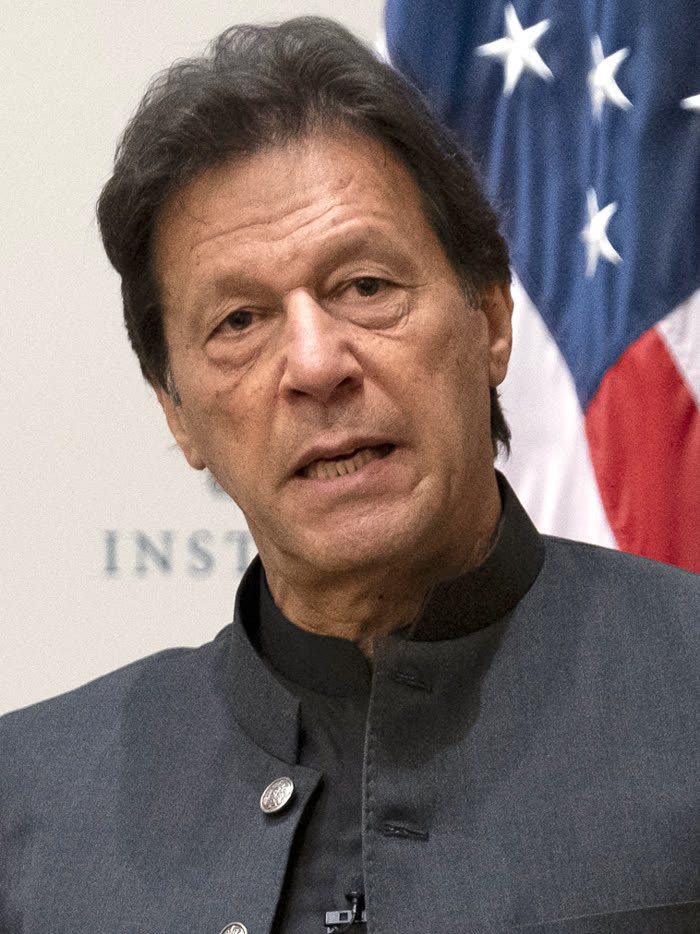
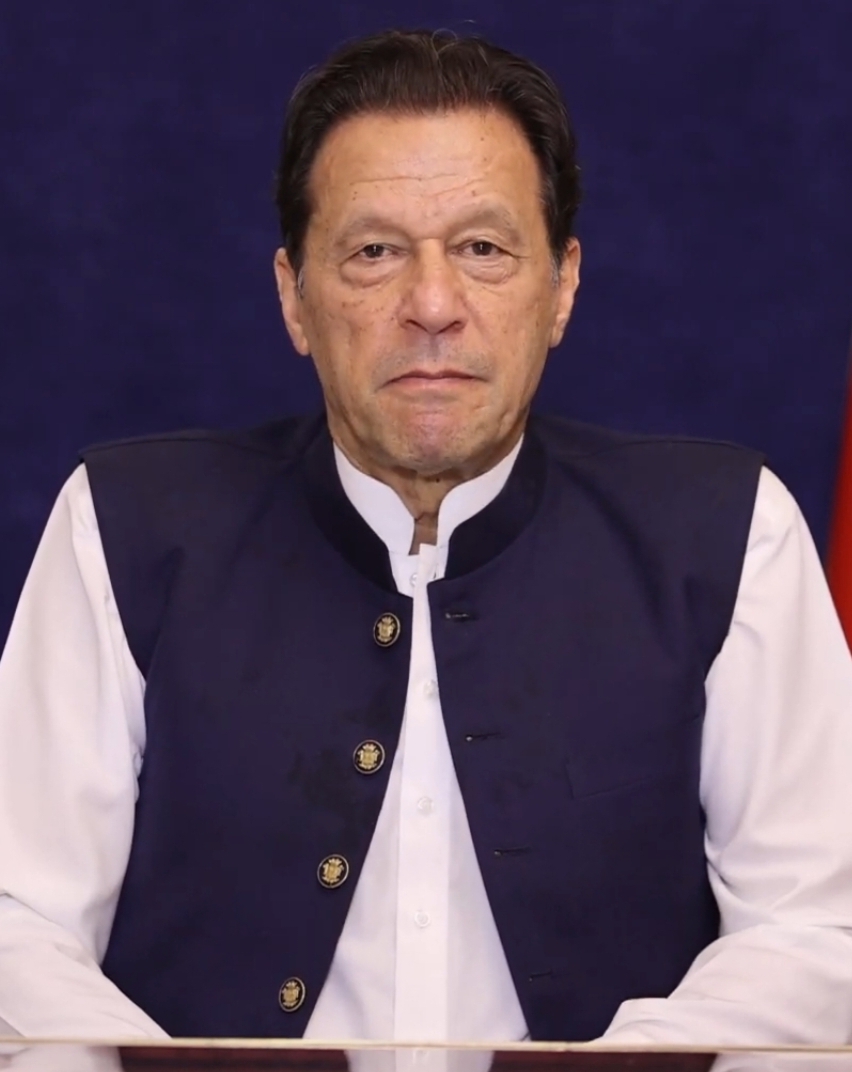
The United Nations’ senior human rights official called for Imran Khan’s release on 19 November, arguing that freeing the former prime minister could lower the political temperature around a case that has become the centre of Pakistan’s standoff between the government and the opposition. Volker Türk, the UN high commissioner for human rights, made the call in an interview with CNN, according to The Express Tribune and Pakistan Today, which reported his remarks on 20 November.
“I call for [Imran Khan’s] release. I call for his proper treatment, and I actually call for de-escalation,” Türk said, according to The Express Tribune, which quoted the interview. “We need to diffuse the political tensions that are around this case, which means that a confidence-building measure between the opposition and the government could be his immediate release.”
The intervention places the head of the UN Human Rights Office on the side of those urging Khan’s freedom, but it does so through the vocabulary of de-escalation rather than a legal finding. Türk did not say that Khan’s detention breaches a specific UN decision, and neither account suggests that his office has issued a formal opinion on the case.
The steps Türk listed
The high commissioner framed release as one part of a wider set of confidence-building measures. He called for family visits, access to lawyers and medical assistance, and for the release of people “who should never be in prison”, The Express Tribune reported.
He also widened the frame beyond Khan. Asked what the UN could do, Türk said his office needed to keep engaging with Pakistani authorities and that they must respect international legal standards governing detention. He said the context included human rights defenders, journalists and members of the political opposition facing arbitrary detention, according to Pakistan Today.
That broader warning matters because Türk tied the Khan case to a wider pattern of detentions rather than treating it in isolation. His phrasing linked the case to that record without offering a separate assessment of any individual detention.
Why the intervention lands this week
Türk spoke three days after Khan wrote an open letter to the chief justices of the Supreme Court, the Federal Constitutional Court and the Islamabad High Court, warning that he might not “return alive” and asking them to enforce orders on his medical treatment. KhabarWire reported the letter and the government’s rejection of its allegations (Imran Khan asks Pakistan’s top judges to enforce court orders).
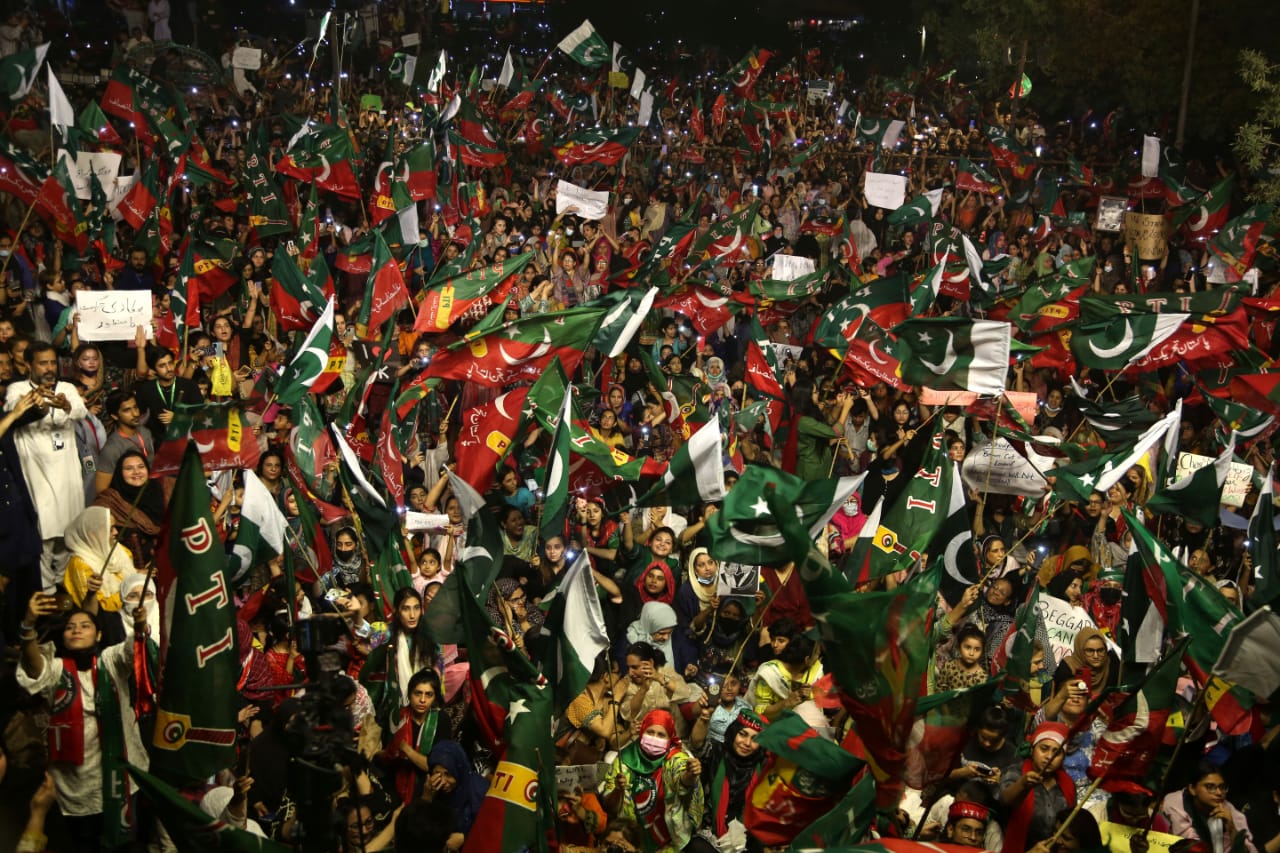
The same week, five imprisoned PTI leaders wrote to the top judges raising concerns about the health and treatment of Khan and his wife, Bushra Bibi, The Express Tribune reported. Their letter followed a series of petitions and hearings over access to counsel and medical care, including the Islamabad High Court’s order for a one-hour jail meeting with lawyers this month.
Amnesty International also issued statements before Türk’s interview, saying that the denial of adequate healthcare, family visits and regular access to legal counsel to Khan and Bushra Bibi violated Pakistan’s obligations under international human rights law. The organisation cited Article 10 of the International Covenant on Civil and Political Rights, which requires that anyone deprived of liberty be treated with humanity, The Express Tribune reported.
Amnesty said Khan had not been allowed to meet his family since December 2025, apart from two meetings with his sister in August 2026, and had been denied telephone contact with his sons since March. It described prolonged solitary confinement and said he had experienced serious blood pressure problems. It also raised concerns about Bushra Bibi’s eye condition and said three of Khan’s sisters were detained in September under the Maintenance of Public Order Ordinance; two were later released, while Aleema Khan remained at Kot Lakhpat jail, according to the newspaper. KhabarWire reported the release of two sisters (Two of Imran Khan’s sisters released from MPO detention). The detentions are among the cases tracked in KhabarWire’s Imran Khan detention and MPO cases hub.
What the call does not change
The High Commissioner for Human Rights runs an office that monitors, reports and advocates; it does not have the power to order a state to release a prisoner. Türk’s leverage is public pressure and continued engagement with governments, which is the role he described in the interview. A call of this kind can raise the political cost of continued detention, but it does not alter a conviction, a sentence or a pending appeal.
Khan has been in custody since August 2023. He is serving a sentence in the £190 million corruption case and, with Bushra Bibi, was sentenced to 17 years in the Toshakhana-II case on 20 December 2025. He also faces pending trials under the Anti-Terrorism Act over the 9 May 2023 protests, The Express Tribune reported.
The legal dispute over his treatment is separate from the question of his guilt. In August, the Supreme Court ordered that Khan be moved to Shifa International Hospital in Islamabad for specialised care. He was taken instead to the Pakistan Institute of Medical Sciences for an examination and returned to Adiala jail, prompting the PTI to file a contempt petition alleging that the order was not implemented, according to The Express Tribune.
Neither newspaper reported a response from the interior ministry, the prime minister’s office or the Foreign Office to Türk’s interview. That silence leaves several questions open: whether the government addresses the remarks publicly, whether the PTI tries to convert them into a fresh court application, and whether the UN’s engagement produces practical changes such as family visits or independent medical access.
What is clear is that the international dimension of Khan’s case has become more prominent. A UN rights chief describing his release as a confidence-building measure is a different kind of pressure from a party statement or a lawyer’s petition. It gives the government an outside interlocutor and gives Khan’s party a new argument, but it does not by itself decide what happens inside Adiala jail or in the courts hearing his appeals.