Reporting snapshot · 12 November 2026 (Asia/Karachi). The release was confirmed by the Kot Lakhpat Jail superintendent during Thursday, but no order or statement explaining it has been published, and the government has not said on what basis two of the three women held under the same orders were freed. The family's acknowledgement of backchannel contacts and the government's denial of them both come from Thursday and have not been reconciled.
Two of Pakistan Tehreek-e-Insaf (PTI) founder Imran Khan’s sisters, Uzma Khan and Noreen Niazi, were released from Kot Lakhpat Jail in Lahore on Thursday, 12 November, after what the jail superintendent put at 50 days of detention under the Maintenance of Public Order (MPO) law, The Express Tribune reported. Kot Lakhpat Jail Superintendent Chaudhry Ijaz Asghar confirmed the release and said the two women were handed over to Noreen’s daughter, Hajra Niazi. Their sister Aleema Khan remains in the same jail.
The count sits awkwardly with the dates on the same report. The Express Tribune gave 21 September as the day Uzma and Noreen were taken into custody, which to 12 November is a little longer than the 50 days the superintendent cited.
What the release did not settle is why. No court in Lahore or Rawalpindi ordered it, and the government has not published an order or a statement setting out the basis on which two of three women held under the same orders walked out while the third remains inside. The sisters’ own route through the courts had already been closed.
How three women were held under one ordinance
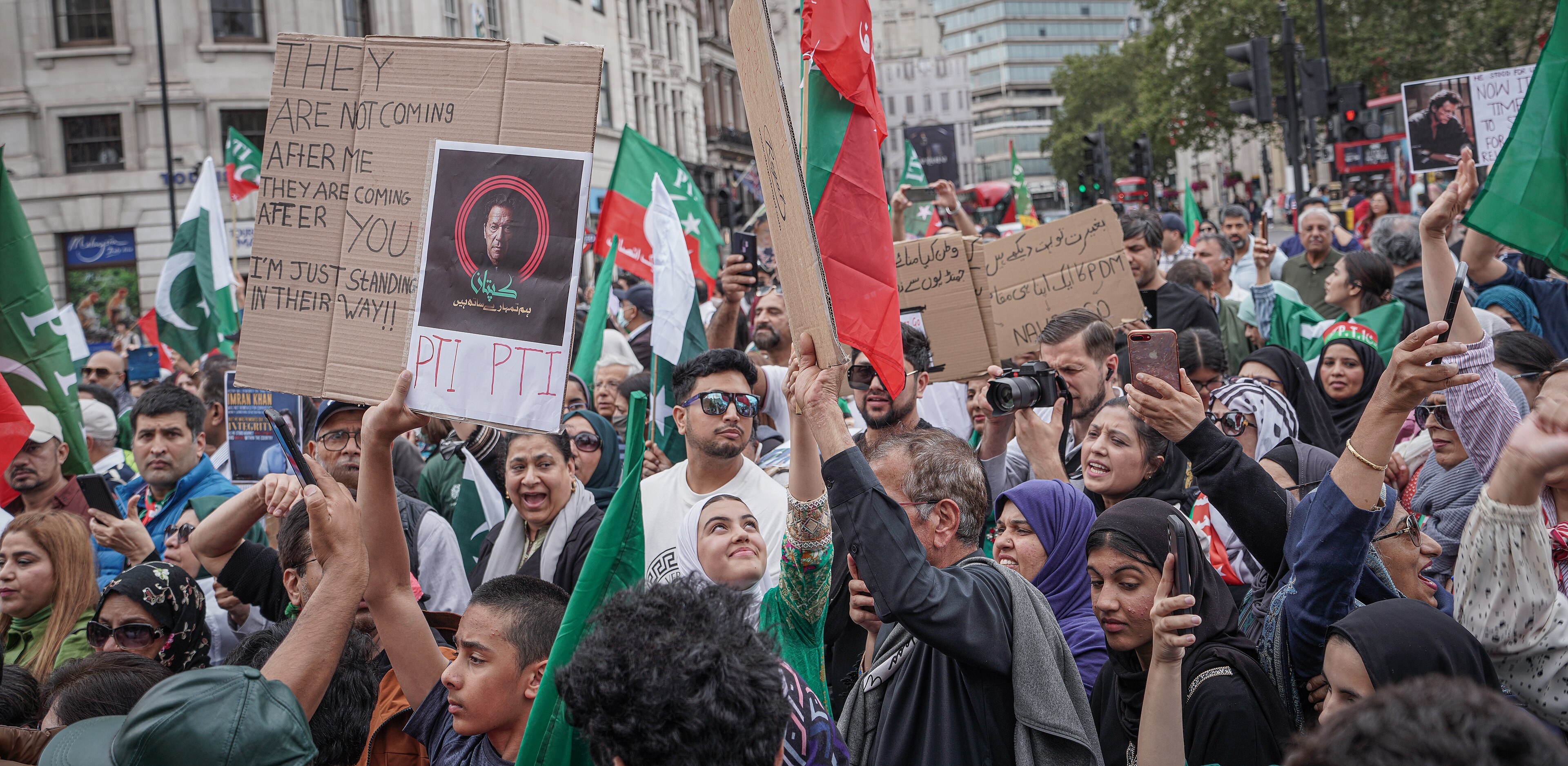
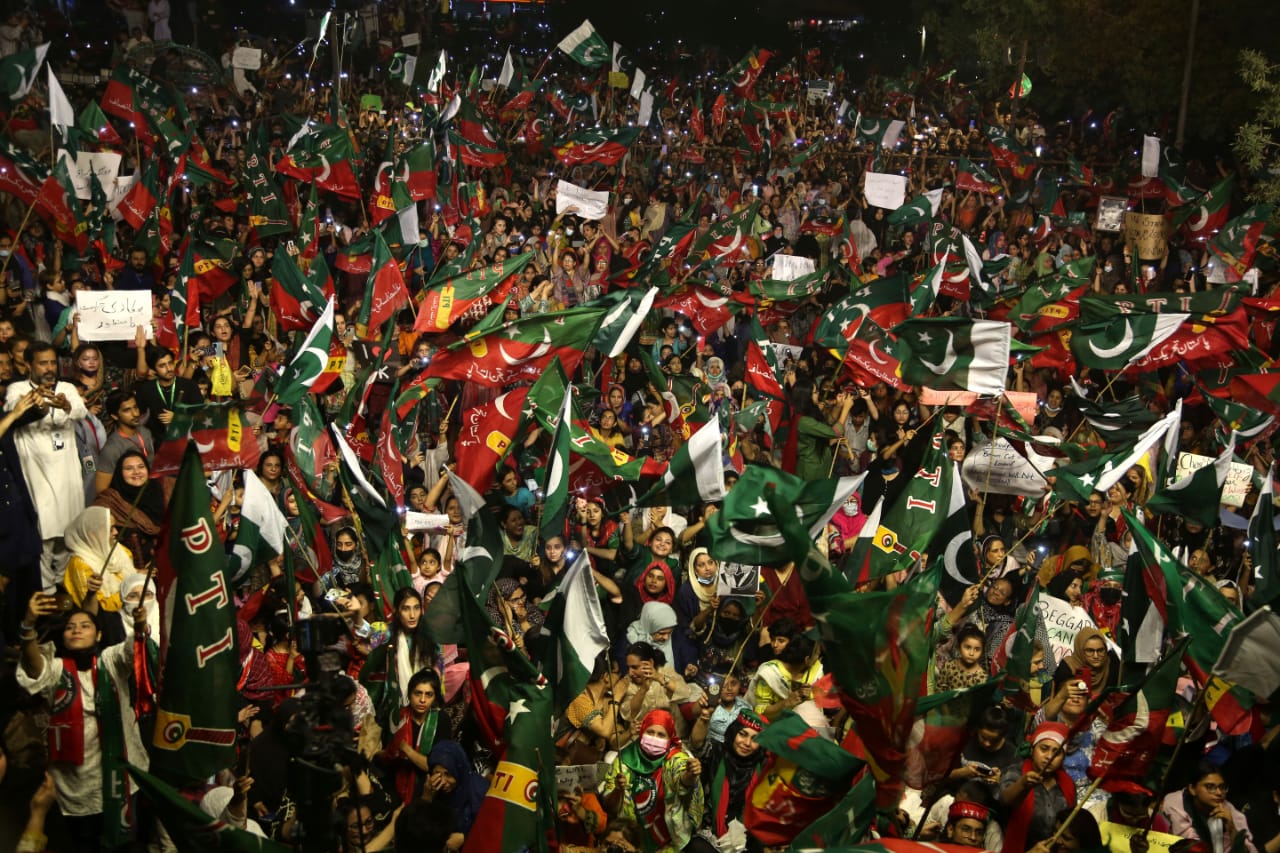
The sisters were detained under Section 3 of the Punjab Maintenance of Public Order Ordinance, 1960, as the PTI prepared its September long march towards Islamabad. Aleema was taken into custody on 20 September and Uzma and Noreen on 21 September, The Express Tribune reported. The Lahore deputy commissioner issued 30-day detention orders for each of them, citing police reports that alleged the women’s activities posed a threat to public safety and the maintenance of public order.
Those orders were renewed. The government’s lawyer told the Lahore High Court on 26 October that the provincial government had approved a fresh 30-day detention period for all three women on the deputy commissioner’s recommendation, and produced a report from the home secretary confirming that the detention orders had been renewed on 7 October. The original periods had expired on 19 October for Aleema and on 20 October for Uzma and Noreen.
The sisters challenged the orders in the high court, seeking their annulment and immediate release. On 25 September the court declined to suspend the detention notifications against Uzma and Noreen at that stage and asked the authorities for their responses. On 22 October the court summoned the Punjab home secretary and the Kot Lakhpat Jail superintendent over the continued detention, and adjourned the matter to 28 October, directing them to explain why the three women were still in custody after their detention orders had lapsed, The Express Tribune reported.
On 26 October the court disposed of the release petition, brought by Aleema’s son Shahrez Khan through his lawyer Rana Mudassar Umar, after the government confirmed the further detention. The petition argued that none of the women was wanted in a criminal case and that preventive detention should not be used in place of ordinary criminal proceedings; Uzma’s husband Ahad Khan and Shahraiz Khan were in court. The judge, Justice Abher Gul Khan, noted that the deputy commissioner had issued the orders but had not been made a respondent, so the court could not grant relief beyond the scope of the petition. KhabarWire reported the detentions and the October summons at the time, and the Imran Khan detention and MPO cases hub collects the file in order.
Health intervened as well. Noreen was admitted to Lahore’s Punjab Institute of Cardiology on 28 October after her condition deteriorated in custody, and her counsel said no family member had been informed of the transfer, The Express Tribune reported.
Why Aleema Khan is still inside
Aleema is not only held on a preventive order. She is also an accused in a separate anti-terrorism court case in Rawalpindi, arising from the protest at Islamabad’s D-Chowk on 24 November 2024 that ended on 26 November, which followed Imran Khan’s “final call” for nationwide demonstrations demanding restoration of the PTI’s electoral mandate, the release of jailed party leaders and the reversal of the 26th Constitutional Amendment.
That court has now deferred its verdict for the fifth time, setting it for 26 November, The Express Tribune reported. Eleven other accused were produced before Judge Amjad Ali Shah. Aleema could not appear, because she remains detained. A verdict is due in a fortnight; if it convicts her, she will have a criminal sentence to serve on top of any preventive detention, which would put a different question in front of the high court about her continued custody.
A release the government says is not a bargain
The two accounts of what produced the release were published on the same day and they do not match. Ansar Abbasi reported for The News that backchannel contacts between the PTI and the authorities had reached a stage where members of Imran Khan’s family were involved directly for the first time, that the contacts had already produced progress including the facilitation of a meeting involving family members and the sisters, and that at least two of the sisters were expected to be released in the coming days, though no formal announcement had been made at the time of writing. He reported that the government’s representatives were unwilling to be named or acknowledge their role, that the PTI chairman Barrister Gohar Ali Khan was understood to be playing an important part in developing the contacts and declined to comment, and that Imran Khan’s brother-in-law Ahad Khan acknowledged them, The News reported.
The government rejected that account the same day. Minister for Parliamentary Affairs Tariq Fazal Chaudhry said on a private news channel that he “strongly reject[ed] the notion that there are any back-channel contacts with the PTI that could affect the legal matters currently pending before the courts, or that there is any possibility of leniency, a deal or any concession from the government”, and added: “There is no room for any such arrangement,” The Express Tribune reported. Chaudhry said the government had repeatedly invited the PTI to talks and that the prime minister had extended an invitation for negotiations, and he accused the party’s lawyers of politicising Imran Khan’s health rather than pressing legal arguments.
The remarks came a day after PTI lawyers Sardar Latif Khosa and Barrister Salman Safdar met Imran Khan at Adiala jail in Rawalpindi for three to four hours, following the Islamabad High Court’s direction that the authorities facilitate the meeting while hearing Imran and Bushra Bibi’s appeals against their convictions in the £190 million Al-Qadir Trust case, The Express Tribune reported. KhabarWire covered that court-ordered meeting. Khosa said Imran’s blood pressure had reached a “frightening level” and that his eye problems persisted, while the former prime minister remained “completely alert”; Khosa also confirmed that a possible 28th Constitutional Amendment had been discussed, without detail.
Three dates now matter for the family. The Rawalpindi anti-terrorism court will announce its verdict in Aleema’s case on 26 November. The Islamabad High Court has directed arguments in the Al-Qadir Trust appeals to begin at the next hearing, which the minister says could be where the party secures relief. And the preventive detention orders that freed Uzma and Noreen were issued by the Lahore deputy commissioner; whether the same orders still stand against Aleema, and for how long, is a question the government’s silence on Thursday left open.