Reporting snapshot · 17 November 2026 (Asia/Karachi). The memorandum between the two surveys is a draft awaiting final institutional clearance, and no work programme, budget or timetable has been published. The figure that mining contributes less than 2 per cent of GDP comes from the British High Commission's release rather than a Pakistani government statistic, and it is lower than the under-3-per-cent estimate ICMA has used in government briefings. What exists so far is a framework and a training programme, not a schedule.
The Geological Survey of Pakistan and the British Geological Survey have drafted a memorandum of understanding to work together on geological mapping, research and data, the British High Commission in Islamabad said on Tuesday, 17 November. The stated purpose is to give Pakistan “stronger evidence and skills for more responsible and transparent mineral development”, and the draft also covers critical minerals and environmental sustainability, the High Commission said.
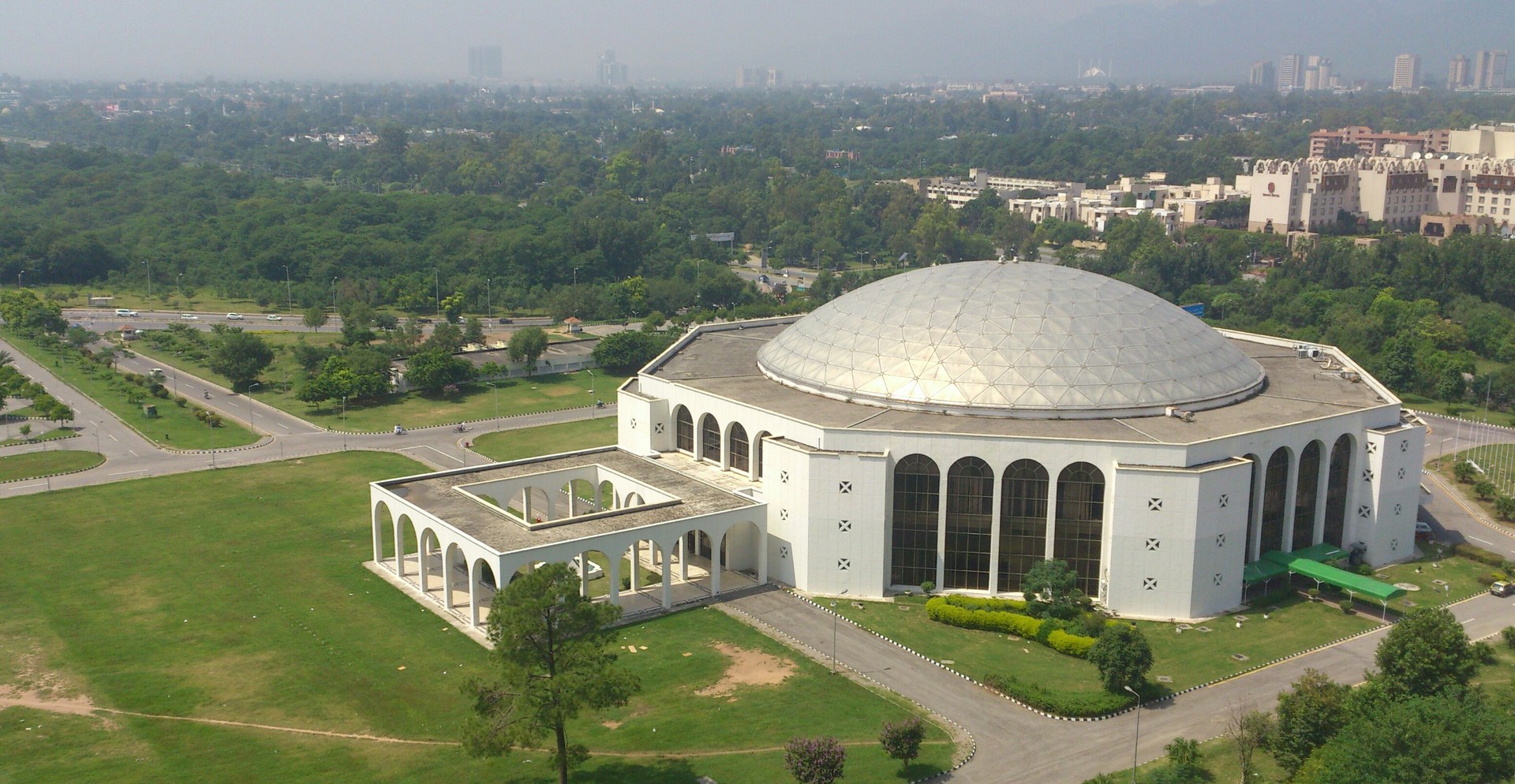
The announcement ties a survey founded in 1947 to the government’s flagship minerals drive. British High Commissioner Jane Marriott presented the plan at the Pakistan Minerals Investment Forum at the Jinnah Convention Centre in Islamabad on 13 November, the day the forum closed, The Express Tribune reported.
What the two surveys have drafted
The memorandum is still in draft form and, according to The Express Tribune, subject to final institutional clearance. On the High Commission’s account it would establish a framework for long-term co-operation covering knowledge sharing, skills, mapping, research and better geological data. The training that has already taken place under the same UK programme is the part of the partnership that is furthest advanced.
The gap that framework is meant to close is stated in the same release: “Pakistan has significant mineral deposits, but mining contributes less than 2 per cent of GDP.” Pakistan’s own estimate of what lies underground is far larger. The government has been pitching a mineral reserve figure of about $8 trillion across roughly 600,000 square kilometres, attributed to the Institute of Cost and Management Accountants of Pakistan, an order-of-magnitude estimate that has never been independently audited, as KhabarWire reported before the forum. ICMA has put mining’s historic contribution at under 3 per cent of GDP, so the High Commission’s number is lower again, and neither figure comes with a published method. The forum closed with 13 agreements and memoranda signed and lenders, including the US Export-Import Bank, signalling $1.3 billion in mining finance.
The training already under way
The skills half of the plan is not a promise. The High Commission says training funded through the United Kingdom’s Revenue Mobilisation, Investment and Trade programme, REMIT, has given Geological Survey of Pakistan staff practical skills in digital geological surveying, geochemical sampling, airborne geophysics, mapping software and spectral remote sensing, using internationally recognised methods.
Pakistan’s own survey describes the same programme on its website: the April launch at the Geoscience Advance Research Laboratories in Islamabad was attended by Petroleum Minister Ali Pervaiz Malik, Marriott and the survey’s director general, Adnan Alam Awan, and the work is being delivered with the UK consultancy International Geoscience Services. The programme was scheduled to run from April to July 2026 and, the survey said, was meant to let GSP “independently design and execute national-level surveys to internationally acceptable standards”. The Express Tribune adds that REMIT’s support includes a 16-week institutional capacity-building programme for the survey delivered by IGS, and that the remit runs wider than mapping: revenue mobilisation, the investment environment, trade and exports, and reforms that could unlock private capital.
What has to happen before data becomes a mine
Marriott’s argument is that a resource has to be provable before it can be financed. “Turning that potential into sustainable jobs for the local community, exports and investment requires credible geological data, strong institutions and responsible environmentally sustainable and transparent supply chains,” she said. The survey’s laboratories are now equipped to generate data meeting the JORC and NI 43-01 reporting codes it cites for bankable resource estimates, and carry ISO/IEC 17025 accreditation from the Pakistan National Accreditation Council, according to the Geological Survey of Pakistan.
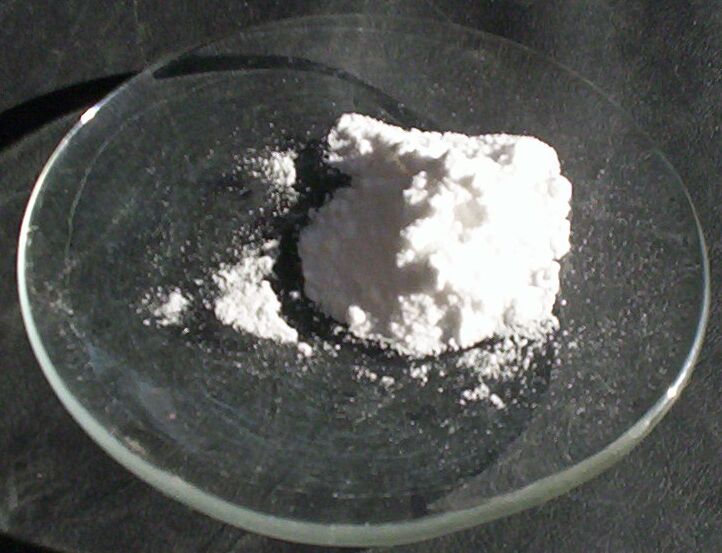
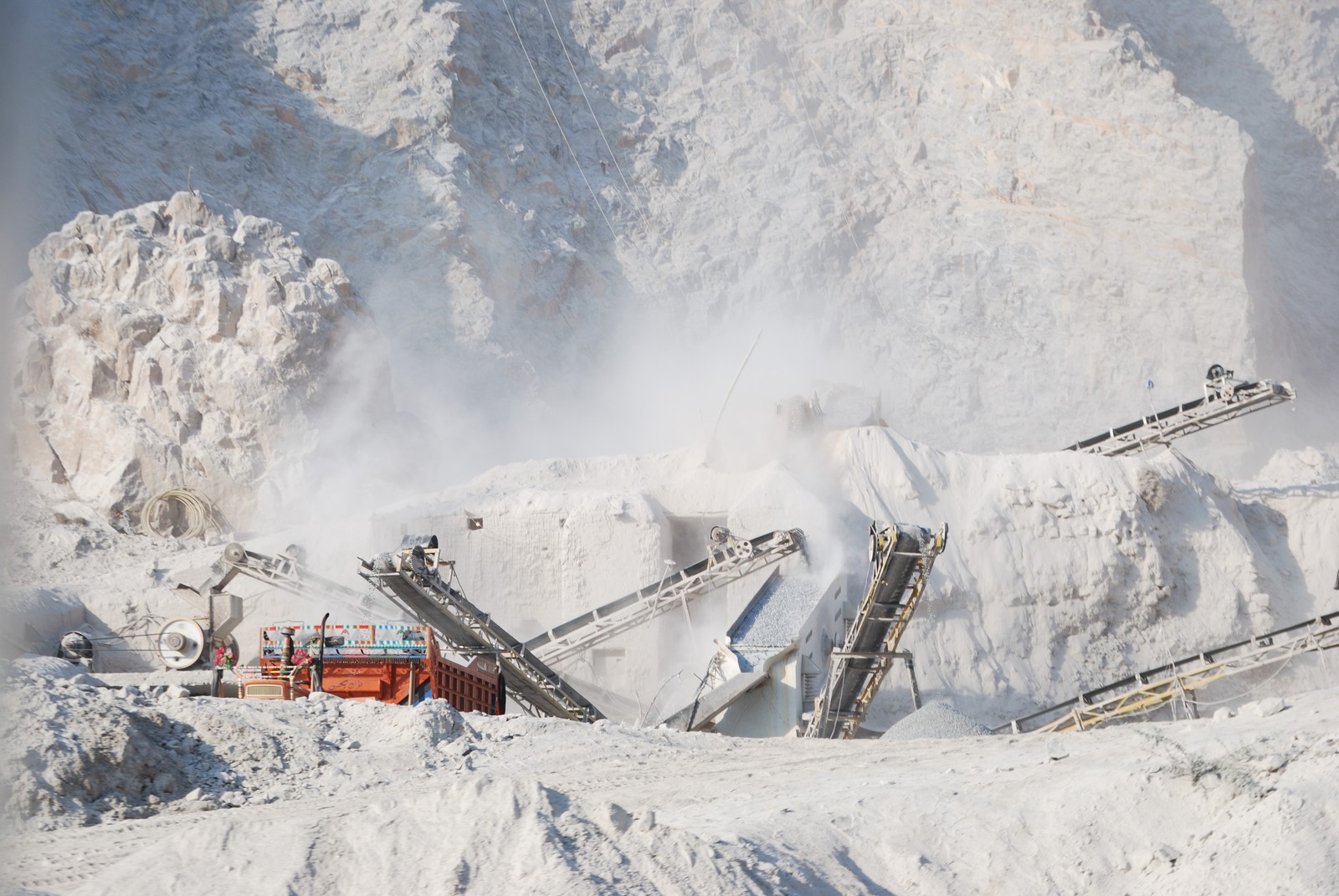
What the survey does not yet have is a modern national record. Awan has listed digitisation of legacy geoscientific data, new geophysical surveys and staffing among the reforms under way, and the survey has acknowledged that the Commonwealth Colombo Plan reconnaissance mapping of the 1950s still serves as a reference for geological work in the country. Pakistan’s mining sector, the High Commission said, includes significant deposits of copper, gold, coal, chromite, salt and industrial minerals.
None of this settles the pace. The forum’s headline commitments, a pledge to stop exporting raw minerals and a security guarantee for mine sites, still carry no published date, work programme or budget, and work on the Reko Diq copper-gold project remains paused over security concerns, with copper and gold production there still targeted to start in 2028. A memorandum on mapping and data does not shorten those timetables on its own. What it does is put a British survey next to Pakistan’s own, with training already delivered and a written framework waiting for signatures.
KhabarWire has followed the minerals file through the agreements and lender interest the forum produced and the pledge to process minerals at home. The full thread is collected on the Pakistan minerals page.