Reporting snapshot · 29 October 2026 (Asia/Karachi). The directives were set out in a Prime Minister's Office statement after a review meeting held in Islamabad on 28 October 2026; the November deadline applies to measures ministries were told to complete, and no ministry has published an implementation plan. The main limitation is that the meeting was not open to the press, and no hospital, budget line or start date has been named for the individual projects.
What the prime minister ordered
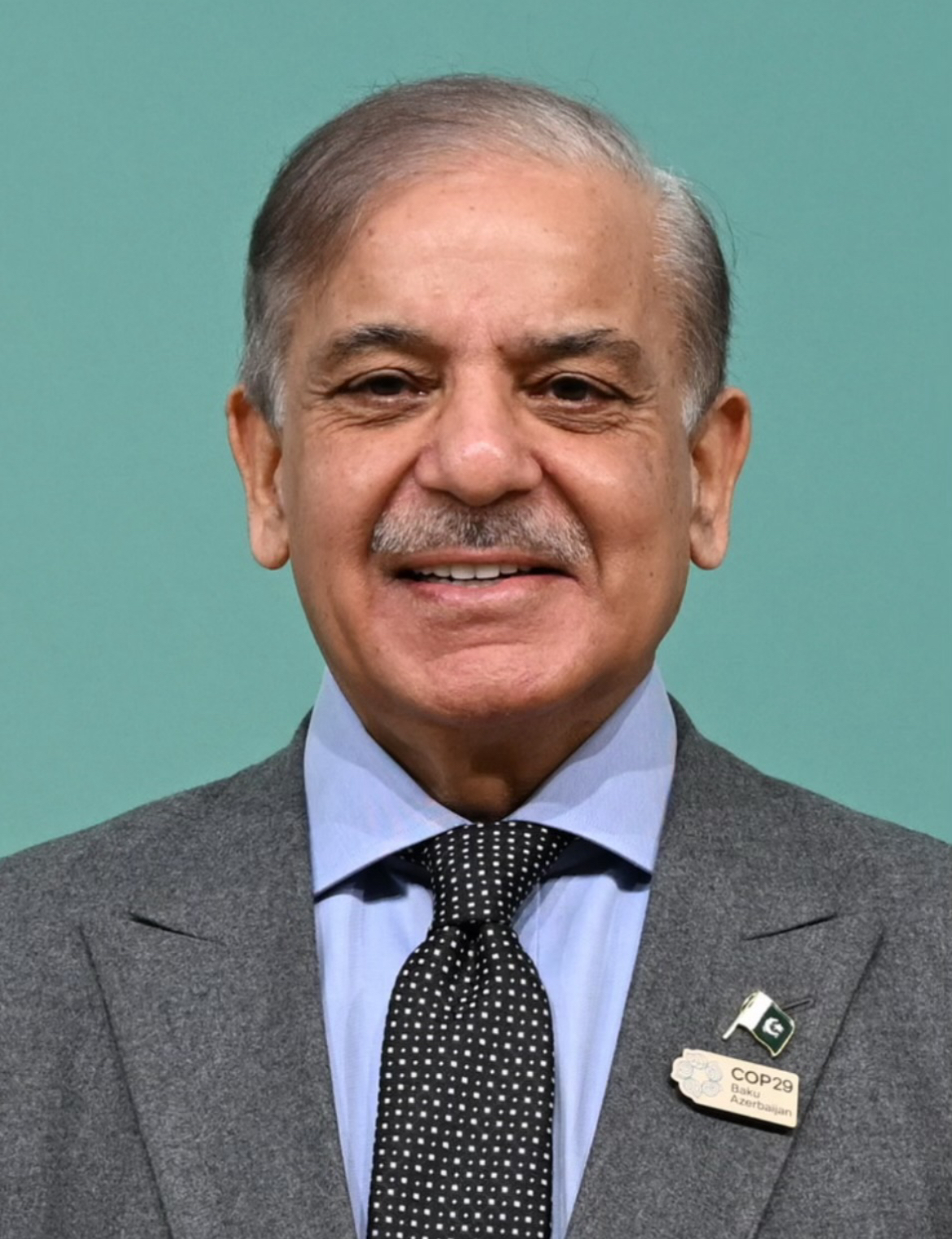
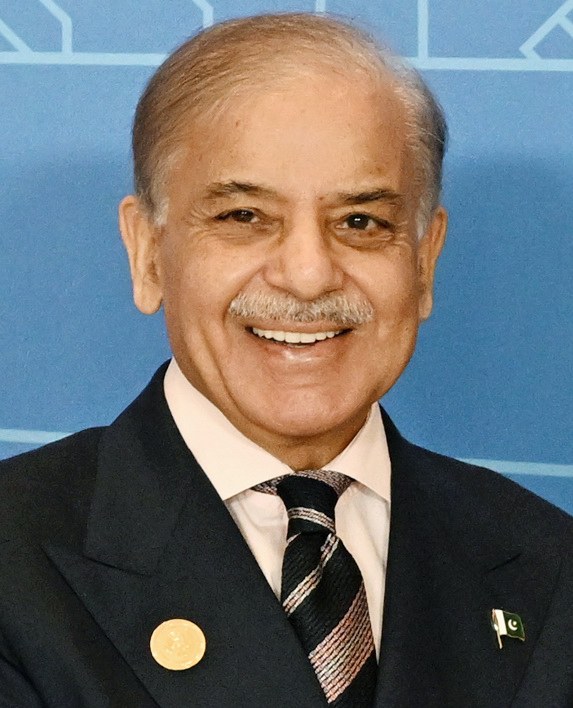
On Wednesday, 28 October 2026, Prime Minister Shehbaz Sharif chaired a meeting in Islamabad to review progress on the use of artificial intelligence and digitisation in the economy and governance, and Pakistan’s ongoing collaboration with the Alibaba Group. Radio Pakistan, the state broadcaster, reported that the premier directed that every project undertaken with the Chinese e-commerce group be implemented with “clear targets, defined timelines and effective monitoring”, and told the relevant ministries to complete all necessary measures by November and submit a progress report.
The Prime Minister’s Office statement, as Dawn reported, quoted Shehbaz saying that “the secret to Pakistan’s development lies in artificial intelligence and digitalisation”. It said effective use of digitalisation, AI and modern technology plays a vital role in improving trade, exports, agricultural productivity, ease of doing business and the quality of public services in Pakistan. The Express Tribune carried the same account, including the instruction that cooperation with Alibaba be turned into tangible results through clearly defined targets, timelines and effective monitoring.
The November deadline is the operative instruction rather than a slogan. It attaches to all the measures ministries were told to complete, and it fixes the date on which the government has promised to report back on the partnership. The meeting was attended by federal ministers Ahsan Iqbal, Rana Tanveer Hussain, Jam Kamal Khan, Musadiq Malik, Ahad Khan Cheema, Muhammad Aurangzeb, Ataullah Tarar, Shaza Fatima Khawaja, Syed Mustafa Kamal and Abdul Aleem Khan, together with Minister of State Bilal Azhar Kayani and senior officials, Dawn reported.
What the statement puts on the record
In health, the meeting reviewed a proposed pilot project for cancer diagnosis using artificial intelligence in the health sector, and the premier directed the authorities to ensure early implementation of a cancer early-detection system built with Alibaba’s cooperation. Radio Pakistan reported the same direction, without naming a hospital, a patient group or a start date.
In skills, the premier directed the authorities to expedite an AI training programme for IT graduates under the Ignite programme of the Ministry of Information Technology, in collaboration with Alibaba. Radio Pakistan reported that the programme will provide 15 days of training.
In energy, the Oil and Gas Regulatory Authority (Ogra) is being provided with artificial intelligence and business intelligence tools to analyse fuel supply chain data, and the premier directed the authorities to ensure early implementation of analytics-based monitoring of the petroleum products supply chain. That is also the directive with the most immediate household reach, because it is the only one in the statement that touches the fuel supply chain at a time when pump prices are being reset every week.
For trade and agriculture, the meeting was told work is under way on AI models for agriculture, track-and-trace technology for tobacco and digital platforms to facilitate exports of citrus fruit and olives. A dedicated Pakistan Pavilion has been established on Alibaba’s platform to promote Pakistani products in international markets, and the premier called for close collaboration between the Trade Development Authority of Pakistan and Alibaba to lift exports. The Prime Minister’s Office account as carried by Dawn and The Express Tribune also records the Export Promotion Board being instructed to work with Alibaba to increase national exports.
For trade paperwork, a system for digital verification of trade documents through Pakistan Single Window has become operational. For small business, a two-year programme is being launched with the Small and Medium Enterprises Development Authority (Smeda) and Alibaba to give small and medium enterprises access to international markets, training and e-commerce opportunities.
On state capacity, the meeting reviewed progress on an advanced data platform and a central data hub for the Federal Board of Revenue (FBR) and Pakistan Revenue Automation Limited (PRAL), and was told that digitisation and AI initiatives in higher education, railways, postal services and urban administration are nearing completion.
Why the November deadline matters
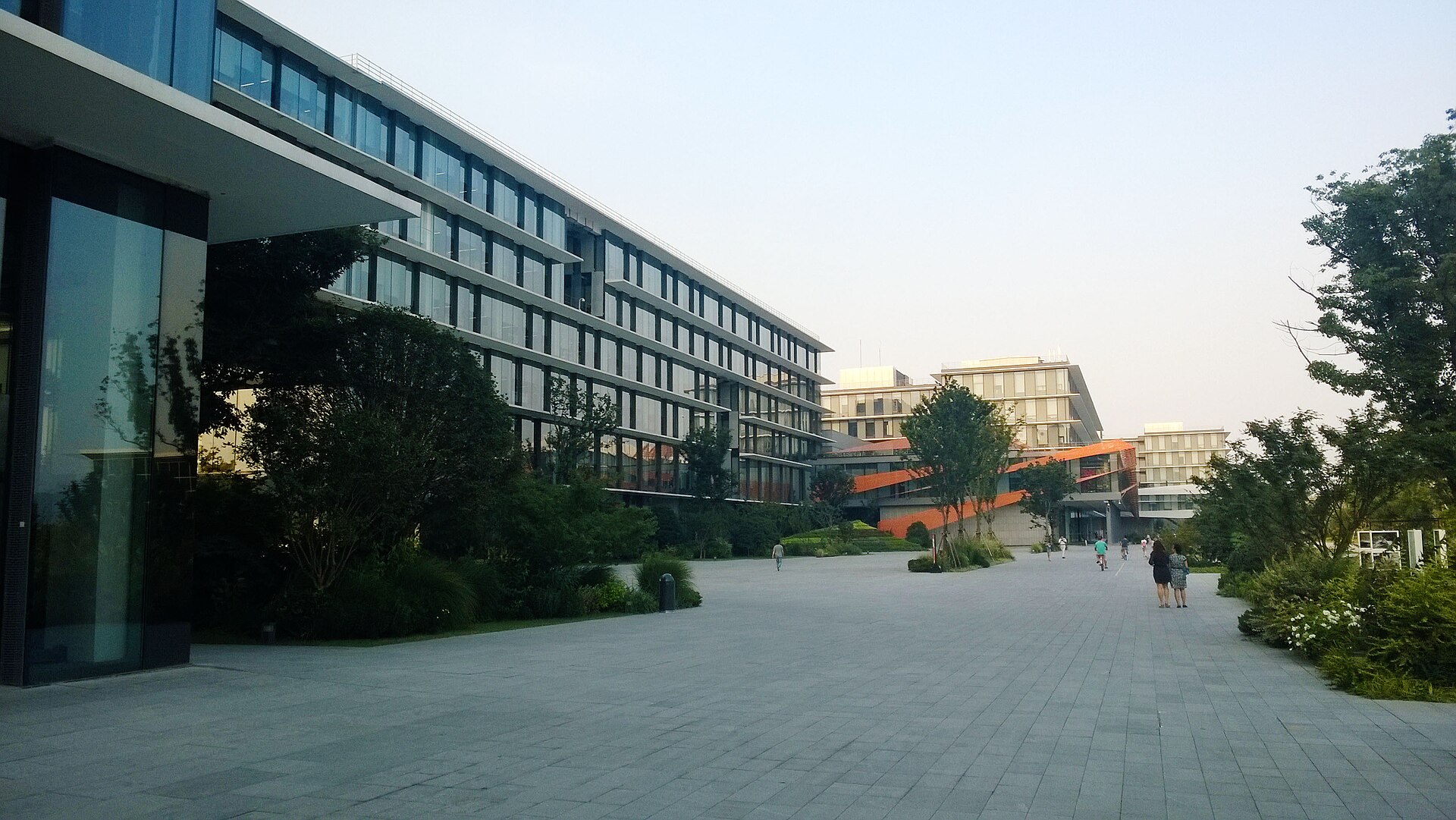
The partnership has moved from a signature to a schedule. The memorandum of understanding was signed at Alibaba’s headquarters in Hangzhou during the premier’s May visit to China, and since then the government’s framing of the relationship has been about technology-driven development and giving small and medium enterprises a route into global markets. The 28 October review puts a date on that framing for the first time, and it names the mechanism for accountability as well: a progress report from the ministries involved.
The directives also land on a wider government drive that KhabarWire has already tracked — the plan to invest $1bn in artificial intelligence by 2030, the July inauguration of Pakistan’s first AI-ready data centre in Rawalpindi, and the October order that federal ministries feed digitised data to the national central data centre. The FBR and PRAL data hub and the Single Window trade-document verification are the same plumbing the Alibaba-linked projects are meant to sit on, which is why a November report matters beyond the companies named in the statement. These developments are collected in the Technology and AI file.
What is still uncertain
The statement does not say which measures belong to which ministry. “All necessary measures” is not a schedule, and no ministry has published an implementation plan, budget line or milestone list since the meeting. Whether the November deadline covers the entire Alibaba portfolio or only the items raised on the day is also unclear.
The Ignite programme’s shape is undefined. Radio Pakistan describes a 15-day AI training programme for IT graduates under Ignite with Alibaba. It is not stated whether this is a new intake, a pilot drawn from the National AI Advancement Initiative, or a component of the 20,000 online AI training programmes in artificial intelligence that the Ministry of Information Technology planned to launch on 10 May, as The Express Tribune reported, nor how many graduates a single cohort would reach.
The published statement attaches no financial terms to any of it: there is no figure for Alibaba’s funding or in-kind contribution, and no procurement value for the Ogra analytics tools or the cancer diagnosis pilot.
The accountability gap is the widest of the four. The deadline is the government’s own, set in a meeting closed to the press, and the account of what was decided rests on the Prime Minister’s Office statement carried by the state broadcaster and two newspapers. No ministry has independently confirmed the November date or the project list, and no mechanism for tracking slippage has been published.