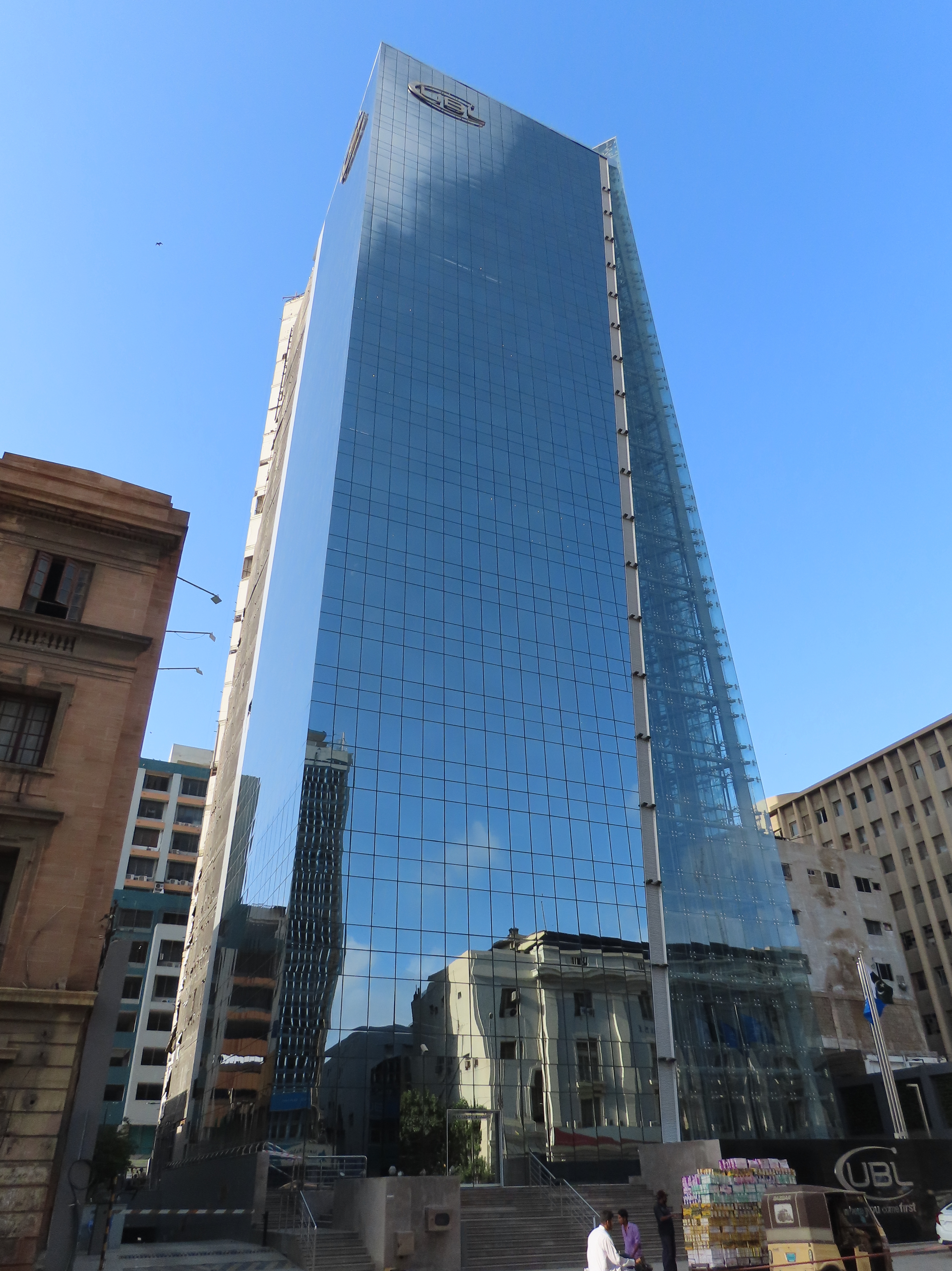
Reporting snapshot · 29 October 2026 (Asia/Karachi). The State Bank of Pakistan publishes no list of the banks and development finance institutions that fall short of the new thresholds, and no supervisory guidance has yet accompanied the circular, so the size of the gap each institution has to close is unknown. The main limitation is that the circular sets a deadline rather than a schedule: it does not say how the additional capital will be raised, or what happens to an institution that misses 31 December 2030.
What the central bank decided
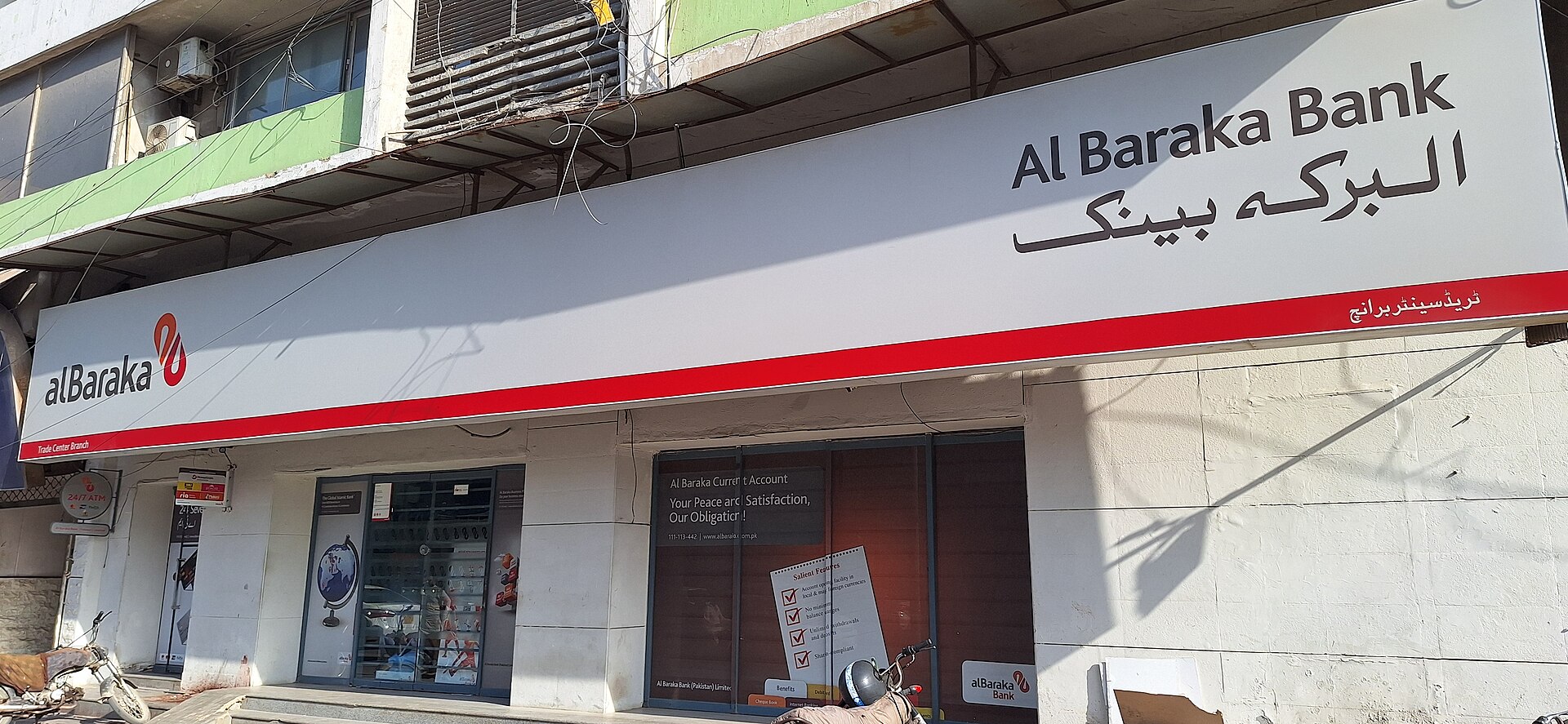
The State Bank of Pakistan (SBP) has raised the Minimum Capital Requirement (MCR) for every locally incorporated bank to Rs20 billion and for development finance institutions (DFIs) to Rs10 billion, in a circular the central bank has dated 27 October 2026 and posted on its circulars page. Dawn reported the change on 29 October, and Pakistan Today’s business desk set out the same thresholds and the same compliance date.
The rules in BPRD Circular No. 02 of 2026 are specific. Locally incorporated banks, including the Islamic banking subsidiaries of banks, must hold MCR of PKR 20 billion. Foreign banks operating in branch mode in Pakistan must maintain assigned capital, net of losses, of at least PKR 5 billion where they run up to five branches, and at least PKR 10 billion where they operate between six and 50 branches. The MCR for DFIs is PKR 10 billion. Existing banks and DFIs must meet the new requirements by 31 December 2030. The circular was signed by Bushra Shafiq, whom it identifies as Head of Department.
Two clauses make this more than a simple doubling. Statutory reserves created under Section 21 of the Banking Companies Ordinance 1962 become eligible for inclusion in the MCR, in addition to the items already prescribed under BPRD Circular No. 06 of 2013 — and any such reserves counted towards the requirement cannot be withdrawn without the prior approval of the SBP. All other instructions on the subject, including capital adequacy requirements, are to remain the same.
The old floor and what doubling means
The circular’s own list of earlier instructions — BSD Circular No. 19 of 5 September 2008, BSD Circular No. 7 of 15 April 2009 and BPRD Circular No. 10 of 17 October 2014 — carried the Rs10 billion minimum paid-up capital, net of losses, requirement for banks. The 2014 circular records that Rs10 billion floor alongside the 10 per cent capital adequacy ratio set at the time. The new Rs20 billion requirement for local banks is therefore twice the level that has stood since 2009, while the capital adequacy ratio itself is untouched.
The 2014 circular is also a reminder of how the SBP has used the MCR to shape the sector rather than only to police it. It allowed an Islamic banking subsidiary to open with Rs6 billion and to reach Rs10 billion over five years, with a progressively higher capital adequacy ratio at each step and no cash dividends until it arrived. The new circular has no such staging for incumbents: one number applies to every locally incorporated bank, with a single end date.
Why the bank says it is doing this
The circular gives one reason: increased operating costs to establish and manage financial institutions on a sustainable basis. Dawn’s report explains what the requirement is for, describing it as a rule obliging banks to hold a high-quality buffer that can absorb loan losses or a downturn without the institution failing, which the report presents as protection for depositors and for confidence in the banking system.
The macroeconomic backdrop is one the governor has described in confident terms. Governor Jameel Ahmad told the annual convocation of the Institute of Cost and Management Accountants of Pakistan on Wednesday that the country’s fundamentals had improved despite global and regional shocks, that inflation stayed close to the target range in FY26 and is projected to ease towards the mid-year FY27 target of 5 to 7 per cent, that the current account deficit is expected to remain within 0 to 1 per cent of GDP, and that real GDP growth is recovering from a contraction in FY23 to 3.7 per cent in FY26, Dawn reported.
That confidence sits alongside tightening. The Monetary Policy Committee raised the policy rate by 50 basis points to 12 per cent on 26 October, the day before the circular is dated, its first increase since April, citing the energy shock from the Middle East conflict. KhabarWire reported that decision and the State Bank of Pakistan tracker follows the central bank’s decisions in sequence.
What it means for banks and for savers
Capital is not money a bank lends out. It sits on the balance sheet as shareholders’ funds and reserves, absorbing losses so that the deposits behind them are not wiped out. A bank that reaches Rs20 billion is not thereby holding Rs20 billion more in customer deposits; it is holding Rs20 billion more of its own money against them.
For banks short of the new floor, there are broadly three routes: build the buffer out of retained earnings over the years available, raise fresh equity, or combine with another institution. Each has a cost. Equity raises dilute existing shareholders; retained earnings are smaller and slower; and a merger is a different business altogether. The circular’s Section 21 flexibility gives banks that have built statutory reserves one more source of qualifying capital, with the condition that those reserves cannot be withdrawn without the SBP’s prior approval.
For savers, the direction of travel is a thicker cushion under the banking system, not a warning about any particular bank. The floor applies to every locally incorporated bank at once, and the central bank has given the sector until the end of 2030, which reads as a transition rather than a rescue. What it does not do is change deposit protection or guarantee any return. For borrowers, a larger capital requirement and a 12 per cent policy rate point the same way, towards banks being more selective about who they lend to and at what price, though the circular itself contains no lending measure.
The branch ladder bites hardest on foreign banks. A foreign bank with up to five branches in Pakistan now has to assign at least Rs5 billion of capital to them, net of losses, and one running six to 50 branches at least Rs10 billion. That is a fixed cost to keep a presence open, and it is the kind of number that can end up in an exit decision rather than a growth plan.
What is still uncertain
The circular does not publish current capital positions, so there is no way to tell from it how many banks and DFIs fall short of the new thresholds, or by how much. The SBP has not said whether it will publish that supervisory data.
The transition applies unevenly on the face of the document. The circular sets the MCR for “new and existing banks” and gives only existing banks and DFIs until 31 December 2030. Read together, that leaves a new bank licence requiring the Rs20 billion floor from the start, with the run-off reserved for institutions already in the market — an inference from the wording rather than a statement in it, and one the SBP has not confirmed.
Nothing in the circular says what happens to a bank that misses the deadline, whether relief would be available, or whether the deadline would be held firm if the macroeconomic picture changes. Nor does it indicate how much of the gap banks expect to close with retained earnings rather than new equity.
There is also a dating detail. The central bank’s own listing dates the circular 27 October, while Dawn, writing on 29 October, described it as issued on Wednesday. The thresholds, the deadline and the Section 21 change are the same in both accounts.
KhabarWire reported on 18 October that Governor Ahmad had told investors in Bangkok that reserves had been rebuilt to $21.5 billion without new borrowing, and that a staff-level agreement with the International Monetary Fund had been reached. Whether this capital measure forms part of a wider financial-sector programme of work, and how it interacts with the central bank’s own credit-rating and supervision targets, is not addressed in the circular.