Reporting snapshot · 19 November 2026 (Asia/Karachi). The bill had passed the assembly, but its final text, fee schedule and commencement arrangements had not been published when this article was published. The governor's assent and notification are still required before it can take effect.
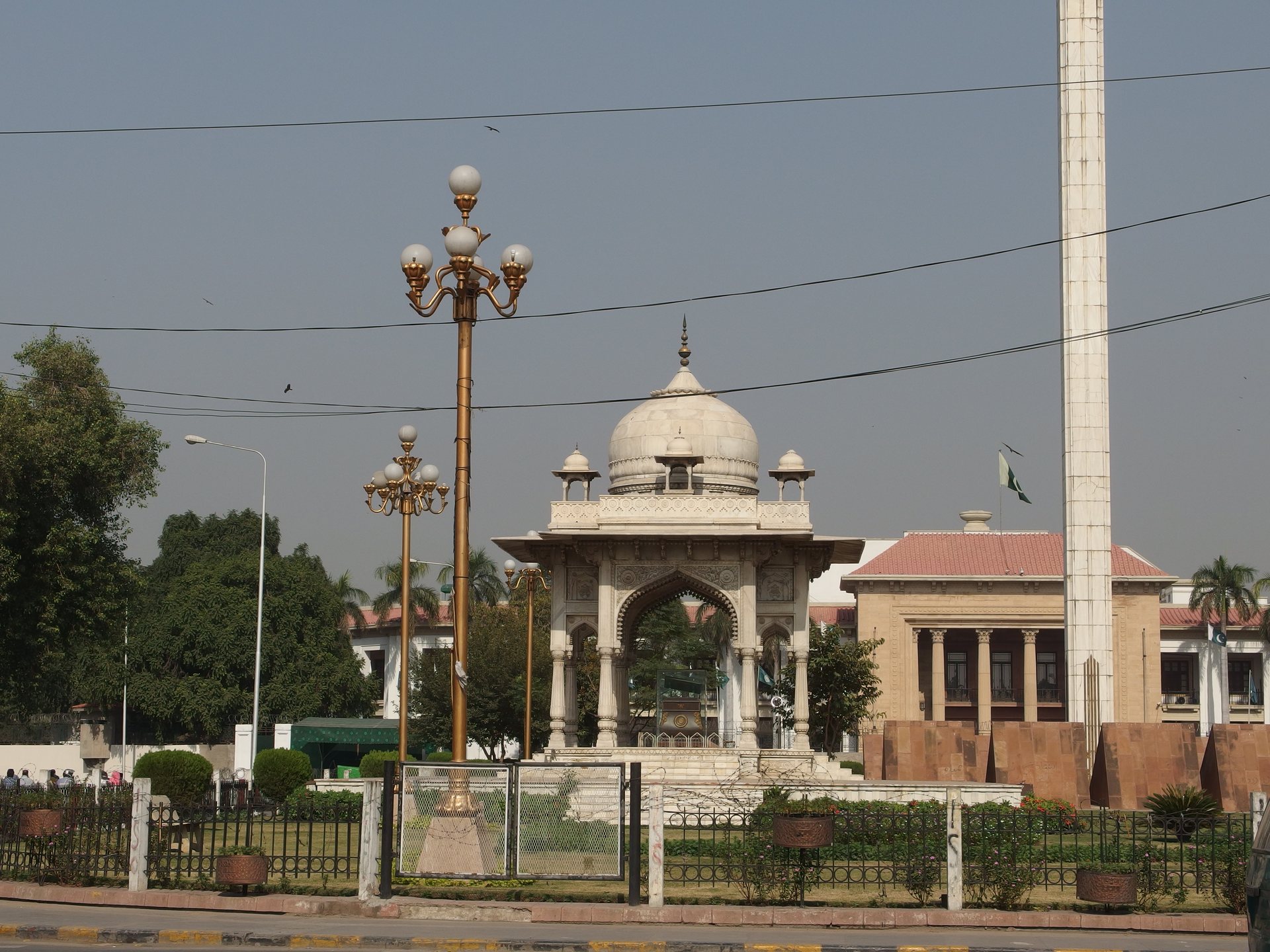
Punjab’s provincial assembly passed the Punjab Dramatic and Theatrical Performances Bill 2026 on Wednesday, 18 November, after a debate that set the government’s promise of family-friendly theatre against opposition warnings that registration rules and penalties would fall hardest on working artists.
Members approved the bill by a majority vote and rejected every amendment the opposition moved, The News reported. The theatre measure was one of eight bills the house passed that day, according to The Express Tribune. The session, chaired by Speaker Malik Muhammad Ahmad Khan, began an hour and 46 minutes late. The opposition pointed out the lack of a quorum three times, and the government restored the numbers on each occasion, The News said.
What the bill asks of theatres
During the debate, opposition MPA Waqas Mahmood Mann said the bill would require an event to be registered and permission obtained at least 15 days in advance, The News reported. He said many artists could not afford the registration fee proposed in the legislation and that the requirements would create difficulties for people who work in theatre.
The Express Tribune reported that opposition members challenged the government’s proposed restrictions on theatre and questioned the authority of a script review committee that would examine performances. The bill’s title gives it province-wide reach over dramatic and theatrical performances, but its full text was not published with the accounts of the vote.
Opposition MPA Ijaz Shafi called the bill a “black law”, arguing that compulsory registration and heavy fines would hurt performers and the people who run fairs and traditional festivals. He asked the government to refer the bill for public feedback and to consult the artistic community, The News reported. The 15-day requirement would also leave less room for companies to stage a show at short notice.
The debate focused on commercial theatres, the venues that sell tickets and depend on nightly audiences. The bill’s title is wider than that, covering dramatic and theatrical performances as a category. How far the registration and script-review requirements reach beyond commercial stage dramas, and whether school, community or travelling productions would need the same permissions, is not clear from the public accounts of the vote.
A family-friendly argument, and a walkout
Information and Culture Minister Azma Bokhari told the house that the government was not banning theatre but regulating it, and that the aim was to restore a family-friendly environment in which parents could watch performances with their children. She said consultations had been held with producers, actors and actresses. The News reported that she put the consultation period at one and a half years; The Express Tribune reported that she said the bill had been about two and a half years in the making.
The minister also alleged that female artists had been pressured by wealthy producers to wear inappropriate clothes and perform objectionable acts, the Express Tribune reported. She argued that the government wanted to protect performers and audiences rather than close theatres. According to The News, she said the provincial government had doubled the Artists Support Fund, announced a film fund and was setting up a Film City in Punjab.
The debate turned personal at one point. Sheikh Imtiaz, an opposition member, made a remark directed at Panel of Chairmen member Samiullah Khan, and Bokhari protested that family relationships should not be dragged into parliamentary proceedings. The Express Tribune reported that the minister walked out in anger and returned after Ijaz Shafi intervened to calm the exchange.
The argument in the house reflected a long-running tension in Punjab’s commercial stage. The minister described an industry that had drifted away from family audiences and said the government wanted to bring it back; the opposition described a working community facing new costs and penalties. Both claims now depend on rules that have yet to be written.
What the vote leaves unsettled
The vote establishes that the bill has passed, but not yet how it will work. The governor’s assent and notification are required before it becomes law, and the final text, fee schedule, penalties and commencement arrangements were not published with the vote, so the practical burden on a small theatre company, a travelling troupe or a fair organiser cannot yet be calculated from the public record.
The government’s cultural promises are also separate from the bill. The Artists Support Fund increase, the film fund and the Film City were described by the minister as part of a wider cultural programme, not as provisions of the theatre law. Whether they survive the province’s budget cycle is a different question from whether the registration rules take effect, and no timetable for either was announced.
Punjab is Pakistan’s most populous province, and its assembly is the country’s largest provincial legislature. The theatre bill was one of eight laws passed in a single sitting, a reminder that the house can move quickly when the treasury has the numbers. The test for this law will come outside the chamber, in the licensing offices and rehearsal rooms where the new requirements meet the people they are meant to regulate.
For now, the bill’s supporters have the vote and the opposition has the argument. The next move belongs to the governor, and then to the officials who will decide what a registration form asks, how a script review works and what a theatre loses if it gets either wrong.