What happened
Prime Minister Shehbaz Sharif on Friday, 12 June 2026, invited the Pakistan Peoples Party to form the government in Gilgit-Baltistan, saying the PPP had emerged as the majority party in the region’s elections, while the ruling Pakistan Muslim League-Nawaz would sit on the opposition benches.
In a statement, the prime minister said the PML-N supported the PPP on government formation. “PML-N has decided to sit in the opposition in the Gilgit-Baltistan Assembly, but our elected members will vote for PPP so that it can form the government,” he said. He added that the decision had been taken in line with democratic traditions and values, saying the PML-N had always maintained a respectful relationship with its allied parties.
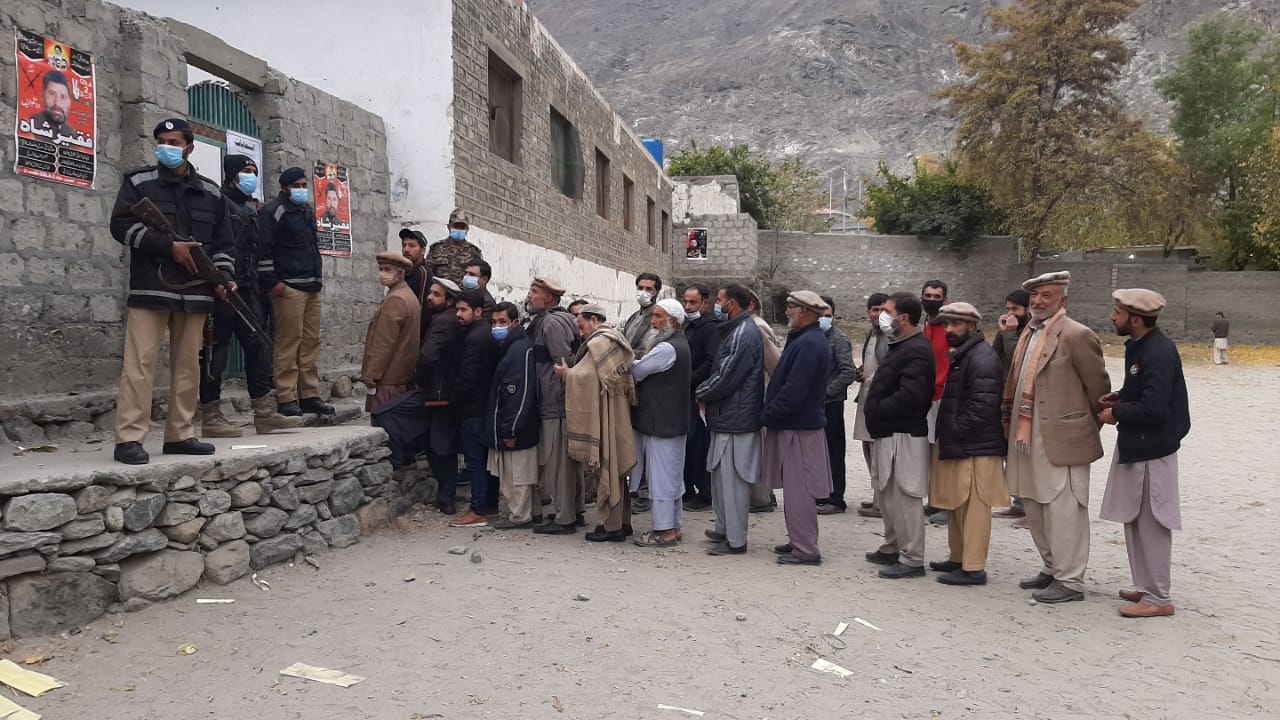
Unofficial results from the 7 June election showed the PPP leading in 11 of the 24 contested seats, with the PML-N ahead in five constituencies, the PTI in three, its ally Majlis Wahdat-i-Muslimeen in one, and independent candidates in two.
PPP Chairman Bilawal Bhutto Zardari welcomed the invitation and thanked the prime minister, calling recognition of the PPP’s majority a continuation of democratic tradition and describing the invitation as a positive step. He said it had been agreed through consensus that the offices of the governor and deputy speaker in Gilgit-Baltistan would be held by the PML-N. “The PPP will utilise all its capabilities to serve the people of Gilgit-Baltistan,” Bilawal said, thanking voters for entrusting the party with safeguarding their ownership, employment and constitutional rights.
The announcement followed a meeting of PPP and PML-N leaders in Gilgit a day earlier to discuss proposals for forming the next government, after which both sides said the proposals would be presented to their central leaderships before any final decision. PTI rejected the election outcome, alleging irregularities and manipulation in a number of constituencies, after it said several of its leaders had been detained and expelled from the region, while Jamiat Ulema-i-Islam-Fazl raised concerns over the alleged non-issuance of Forms 45 in real time during the count. Questions were also raised by various stakeholders over delays in the announcement of results.
Why it matters
Gilgit-Baltistan borders China, Afghanistan and Indian-administered Kashmir, making the formation of its government significant for federal-regional relations and for the China-Pakistan Economic Corridor. The decision by the PML-N, the senior partner in the federal coalition, to sit in opposition while voting for a PPP-led administration is an unusual arrangement that may shape how the two parties cooperate nationally, and it hands the PPP a regional government while keeping the governor’s office with the PML-N.
What is still uncertain
The final results and the disputed constituencies remain contested, and the PTI has not accepted the outcome. The PPP still has to complete its coalition arrangements and elect its leader in the regional assembly, and the timing of government formation had not been finalised. The allocation of posts beyond the governor and deputy speaker was also not settled.
Sources & reporting notes
This is a summary of published reporting, not independent reporting. Details are as carried by the cited sources, which were reviewed on 2026-06-12. The seat figures were unofficial results at the time of writing and remained subject to dispute.
- Associated Press of Pakistan — "PM invites PPP to form government in Gilgit Baltistan"12 June 2026 · The prime minister's statement and invitation to the PPP.
- Aaj English — "PM invites PPP to form govt in Gilgit-Baltistan, PML-N to sit in opposition"12 June 2026 · Bilawal's remarks and the allocation of the governor and deputy speaker posts.