What happened
Pakistan Peoples Party chairman Bilawal Bhutto-Zardari proposed the creation of an independent truth and reconciliation commission on Wednesday, 15 July 2026, to help end nearly six weeks of deadly unrest in Azad Jammu and Kashmir.
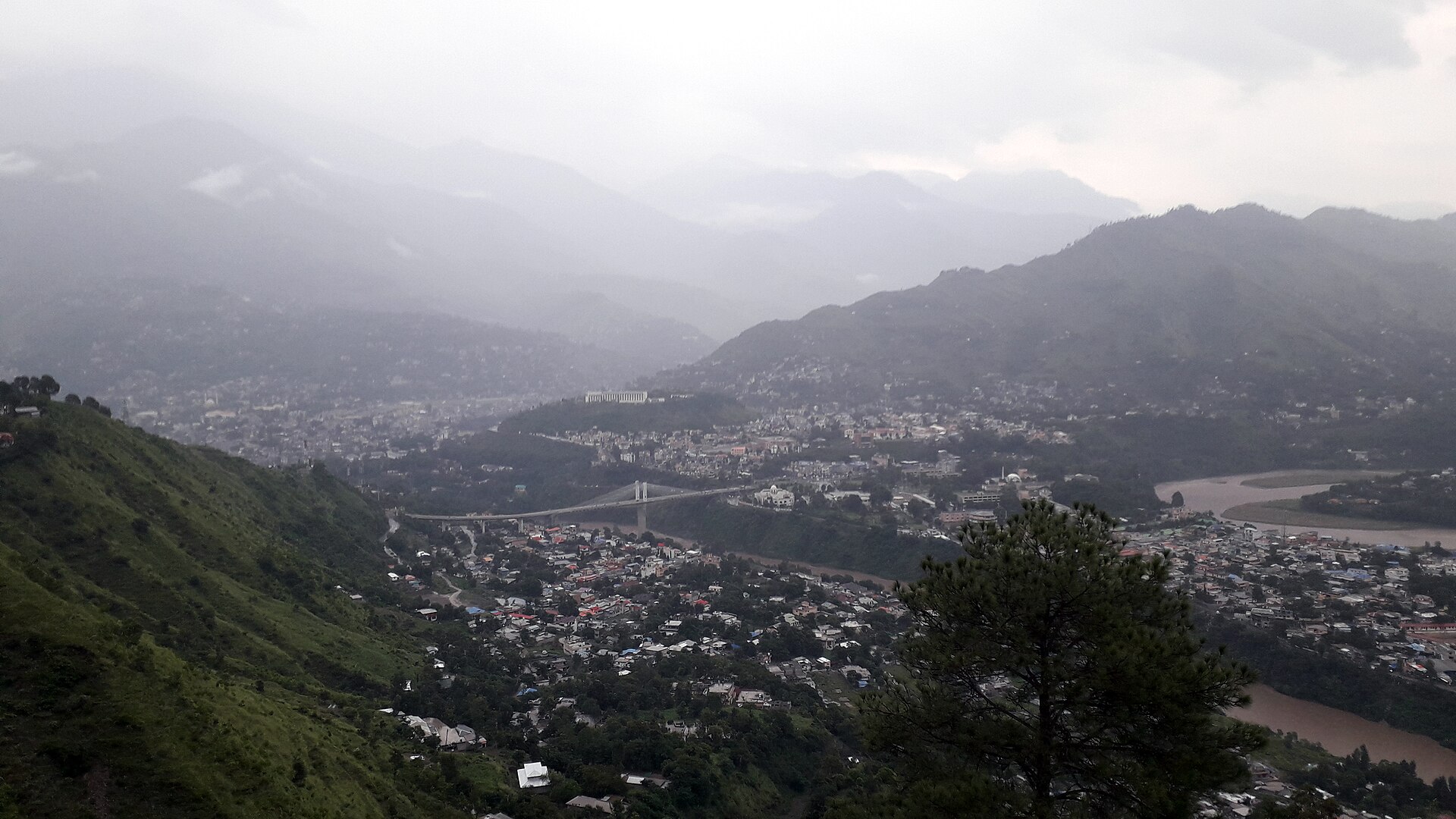
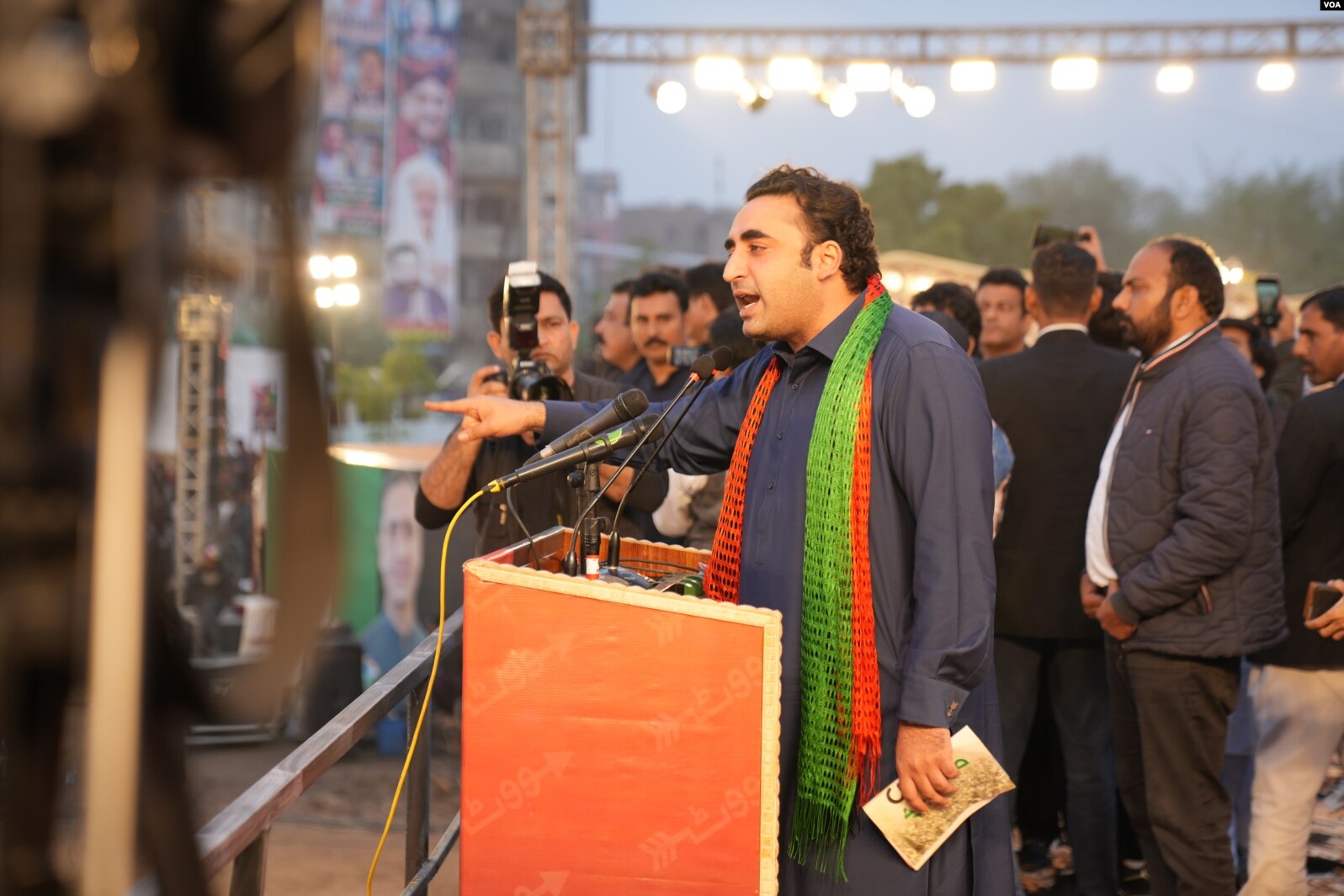
Addressing party workers and election candidates in Muzaffarabad, the territorial capital, he said the violence had become “very concerning” and that further delay in resolving it would only compound the harm to the Kashmir cause and to Pakistan’s reputation abroad, Independent Pakistan reported.
His remarks came less than two weeks before the region is scheduled to elect a new 53-member legislative assembly, and a day after the deadliest single episode of the unrest so far: a clash on Tuesday in the Poonch division that left at least two security officials and seven protesters dead.
The proposal
“I propose the establishment of an independent commission of all concerned parties,” Bhutto-Zardari told the gathering, according to Independent Pakistan. He said the commission should be given a broad mandate to establish the facts, consider the grievances and positions of all sides, review the outstanding political, legal and administrative issues, and recommend a fair and durable way forward.
The PPP chairman, a former foreign minister whose party governs in AJK and holds sway in the federal coalition in Islamabad, said he had already raised the proposal with Deputy Prime Minister and Foreign Minister Ishaq Dar, who told him he would carry it to Prime Minister Shehbaz Sharif.
He asked the Jammu Kashmir Joint Awami Action Committee (JAAC) to suspend its planned long march and sit-ins if the government agreed to form the commission, and asked the authorities in turn to hold off on further action while the panel did its work. He also responded to a letter from JAAC, calling the continuing loss of life, including the deaths reported a day earlier, “a national tragedy.”
The dispute
The unrest has pitted security forces against JAAC, a coalition of protest groups that the AJK government declared a proscribed organisation under the Anti-Terrorism Act on 5 June 2026. JAAC has been demanding the abolition of 12 seats in the territorial assembly reserved for refugees who fled Indian-occupied Kashmir after the 1947 partition and settled elsewhere in Pakistan.
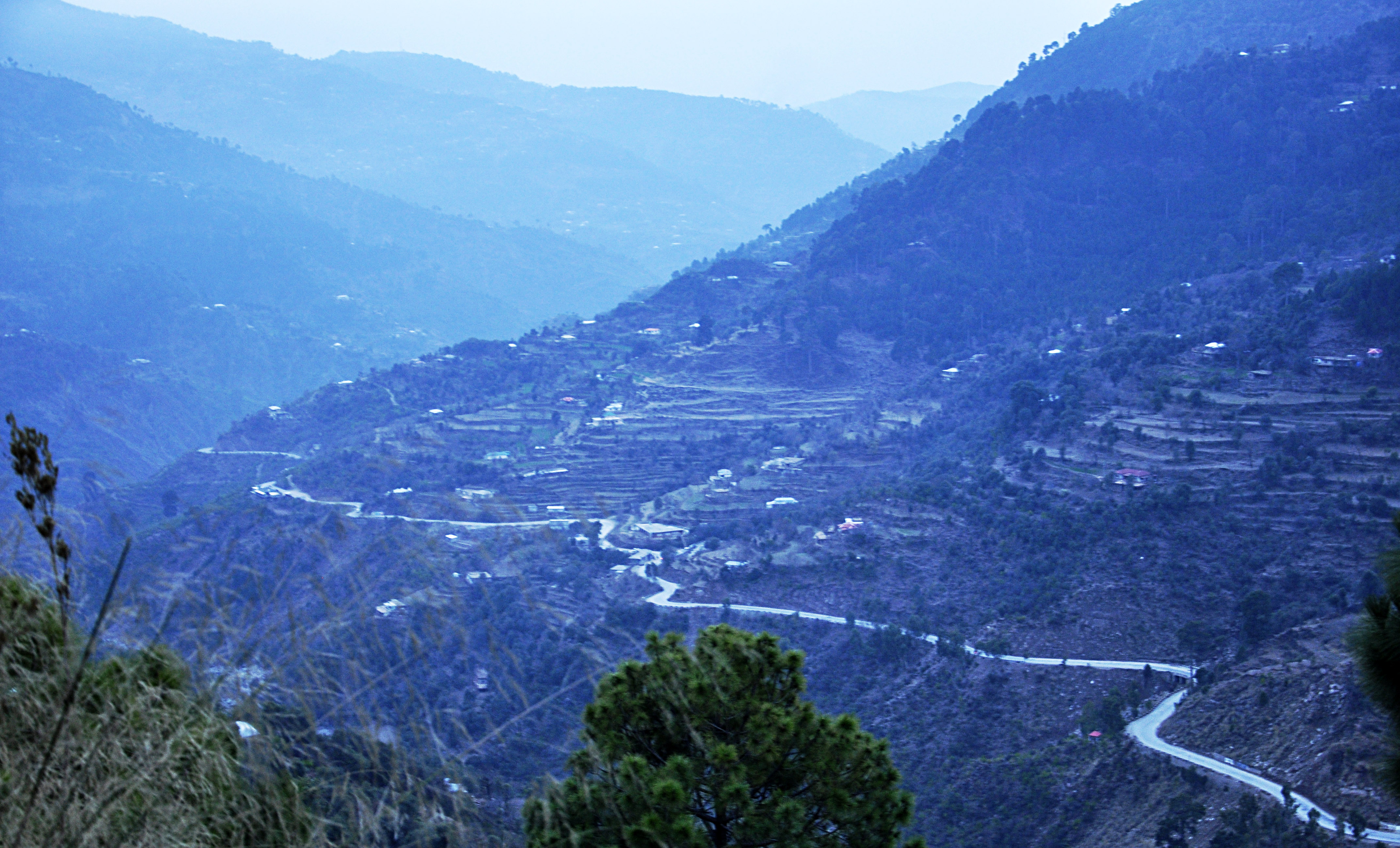
The violence centred on a sit-in JAAC had mounted outside a military hospital in Rawalakot, in Poonch division. Police said armed committee members opened fire on officers in a coordinated assault and put the toll at four law enforcement personnel and three committee members killed, with roughly 20 people wounded. JAAC disputed that account, saying security forces fired tear gas and artillery shells towards the hospital and that seven of its members died, some of them after electricity to the area was cut. The two sides’ tallies have not been independently reconciled.
Bhutto-Zardari took a hard line on two fronts. He said any criticism of the Pakistani military emerging from the protests was unacceptable, calling the armed forces “a red line” for his party regardless of the source of the criticism, and said harsh language towards Kashmiris was equally intolerable. On the reserved-seats dispute he stopped short of endorsing either side, saying no constitutional amendment could be imposed “through guns or sit-ins,” but adding that residents should ultimately have a say. He floated a constitutional convention in AJK after the election to consider broader governance changes.
The government’s account
AJK officials offered a starkly different account of the crisis on Wednesday. Home Secretary Chaudhry Guftar Hussain told reporters that JAAC had waged a campaign of “baseless claims and propaganda” and accused the group of using women and children as “human shields.” He said the committee had blocked roads and worked to damage the relationship between AJK and the Pakistani military — allegations that, he said, raised questions about the group’s ties to “anti-state forces.”
Irfan Masood Kashfi, a spokesman for AJK police, said officers were focused on restoring movement on roads blocked during the unrest, including a route in the Shujaabad Kotera area that was reopened on Wednesday morning. He said the operation would continue “until all roads had been restored” and vowed that no armed group would be permitted to challenge state institutions. Both officials said the elections would proceed as scheduled on 27 July.
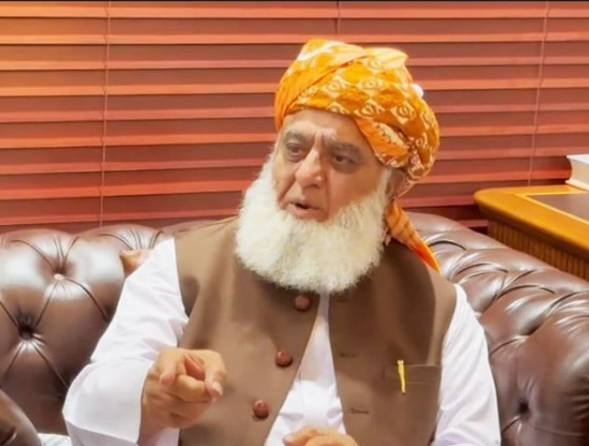
Word of a possible breakthrough emerged on Wednesday afternoon, when JAAC said in a social media post that a government delegation led by former prime minister Raja Pervez Ashraf had flown to Rawalakot for another round of talks. The committee said it had given the delegation until later in the day to consult on its demands, and that Maulana Fazlur Rehman, head of the religious party Jamiat Ulema-e-Islam-F, was also working behind the scenes towards a settlement. It said “positive signals” were being received from state institutions and that an announcement on ending the sit-in could follow later on Wednesday if the talks succeeded.
Why it matters
The crisis has become one of the region’s biggest anti-government movements in years, and it is unfolding just days before an election that is meant to produce a new assembly. Bhutto-Zardari framed the bloodshed as a threat to the wider Kashmir cause and to Pakistan’s standing, and presented a negotiated commission as a way to lower the temperature before voting. The government, meanwhile, has cast the unrest as the work of an armed group rather than a purely political protest.
What is still uncertain
The competing casualty accounts from Tuesday’s clashes have not been reconciled, and it was not immediately clear whether JAAC would suspend its long march or whether the government would agree to form the commission. There was no immediate confirmation from the Prime Minister’s Office that it had received the proposal. The July 27 election is still officially on schedule.
Sources & reporting notes
This is a summary of published reporting, not independent reporting. Details are as carried by the cited sources, which were reviewed on 2026-07-15.
- Islamabad Post — "'Armed forces are our red line': Bilawal seeks high-powered commission on AJK unrest"15 July 2026 · Bilawal's demand for a high-powered commission, his "red line" remarks on the armed forces, the June 5 proscription of JAAC and the reserved-seats dispute.
- Independent Pakistan — "Bhutto-Zardari proposes truth panel as Kashmir region reels from deadly unrest"15 July 2026 · The truth and reconciliation proposal, the competing Rawalakot casualty accounts, the home secretary's response, the Raja Pervez Ashraf talks and the 27 July election date.