Reporting snapshot · 27 November 2026 (Asia/Karachi). The judgment is detailed, but the officials who must pay have not been named publicly, the provincial government's response was not known when this was published, and the murder case in Kurram has not been decided. The compensation covers the period after 24 May 2016, not the original narcotics sentence.
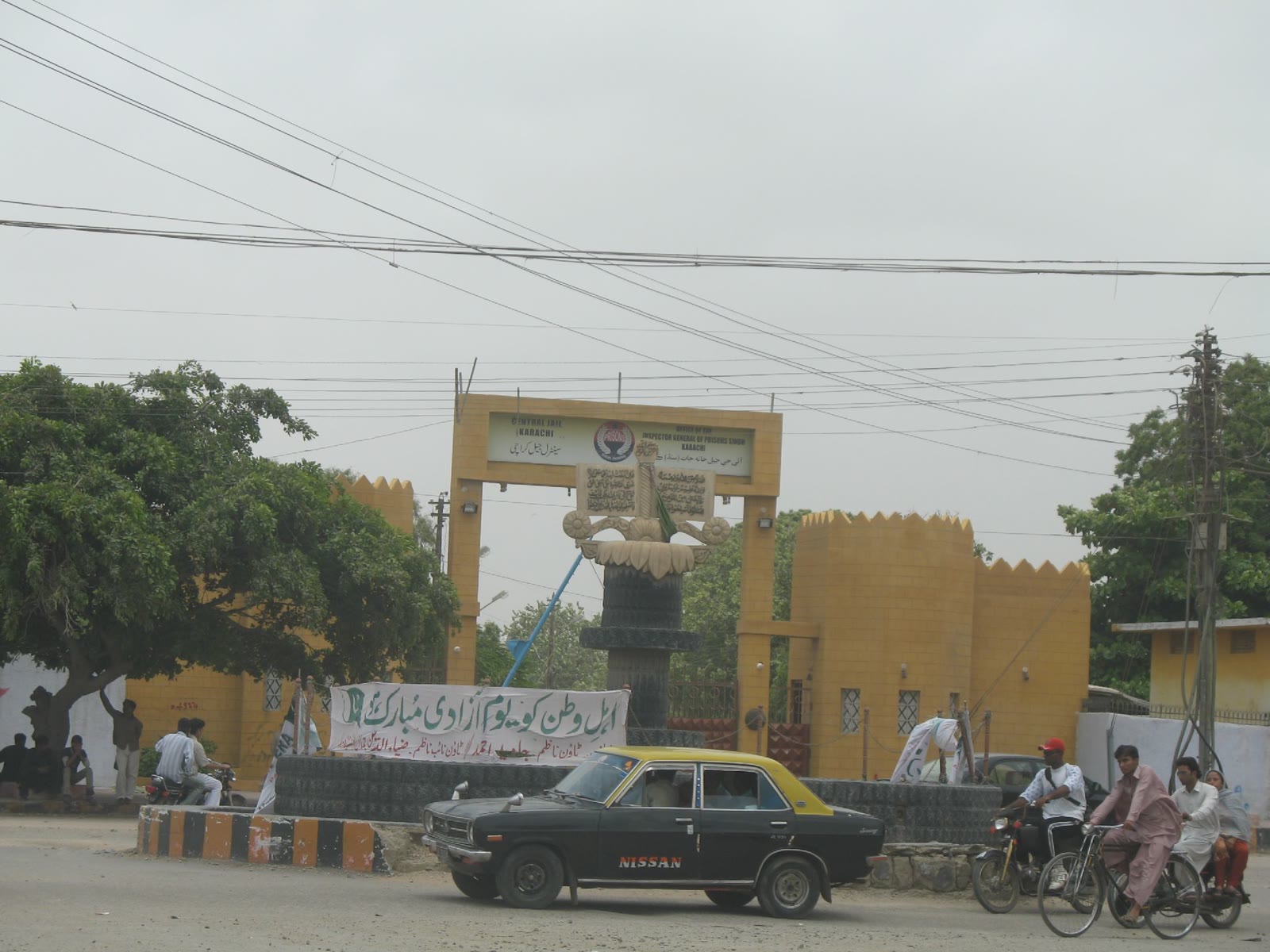
The Peshawar High Court has ordered the Khyber Pakhtunkhwa government and a group of current and former district officials to pay Rs10 million in compensation to Amin Hussain, who remained in Karachi Central Prison for nearly a decade after completing a narcotics sentence because no one arranged his transfer to Kurram for trial in a separate murder case.
In a 21-page judgment issued on 26 November and reported by Dawn and The News the next morning, Chief Justice S.M. Attique Shah declared that Hussain’s detention from 24 May 2016 until his transfer in May 2026 was unlawful and violated his rights under Articles 4, 9, 10-A and 14 of the Constitution.
The court ordered the provincial government to pay half the sum through the chief secretary within 60 days. The other half must come personally, in equal shares, from the officials identified in an official inquiry as responsible for the delay. The chief secretary and inspector general of police have 15 days to name them.
A sentence that ended in 2016
Hussain was sent to Karachi Central Prison on 1 December 2014 in a narcotics case. He completed that sentence on 24 May 2016, but remained in custody because he was wanted in Kurram district in a case registered under Section 302 of the Pakistan Penal Code and Section 11 of the Frontier Crimes Regulation, 1901, over the alleged murder of his father, Dawn reported.
Authorities should then have transferred him to Kurram and produced him before the relevant court. They did not. No charge sheet was filed, his trial never began and no court convicted him, according to The Express Tribune. From 2016 onward, the Karachi prison superintendent and the Sindh home department repeatedly wrote to authorities in Kurram and Kohat districts and the KP home and tribal affairs department to take custody of him and arrange the transfer. No effective action followed.
Hussain could not apply for bail because he was never brought before the court that could hear the application. The case came before the high court, which summoned the KP home secretary, the Kurram deputy commissioner and the district police officer, and on 30 April 2026 ordered the home secretary to arrange his transfer by air within seven days. He was moved to Kurram in May and granted post-arrest bail on 18 May 2026, The News reported.
The inquiry found a missing escort and a missing file
On 8 June 2026, the court ordered an inquiry by an officer not below Grade 20. The report, submitted by Iftikhar Ahmad on 28 September 2026 with 277 pages of supporting record, found that responsibility was spread across several offices rather than concentrated in one decision.
A Levies escort for the transfer had been approved in 2017, but the then assistant political agent of Upper Kurram did not provide it, according to The News. Successive assistant commissioners also failed to arrange the transfer after the merger of the tribal districts. Kurram police did not act on repeated requests from the district public prosecutor between 2019 and 2026. The original case file went missing after it was handed to the police, and no effective inquiry was conducted to trace it.
The court said administrative difficulties, travel expenses and poor coordination could not justify keeping a citizen in custody or denying him access to a trial and bail. Public office, it said, carries legal responsibilities, and officials are accountable for both the exercise and the neglect of their powers.
“No amount of money can make up for ten years of a man’s life,” the bench said, according to Dawn. “Lost liberty cannot be restored.”
Who pays the Rs10 million
The award is split equally. The KP government’s Rs5 million must be paid through the chief secretary within 60 days of the judgment. The other Rs5 million is to be deposited by the responsible officers with the additional registrar (judicial), by crossed cheque in Hussain’s name, also within 60 days. If an officer fails to pay, the share can be recovered from salary or other dues.
The court said the personal liability is independent of disciplinary proceedings and cannot be paid or indemnified from public funds, Dawn reported. The chief secretary must start proceedings against the former assistant political agent of Upper Kurram, the assistant commissioners who served in the district between 2017 and 2019 and any other officer found responsible, under the KP Government Servants (Efficiency and Discipline) Rules, 2011.
The inspector general of police must proceed against the Kurram police officers who ignored the prosecutor’s requests, including whoever was responsible for the missing file. The Kurram deputy commissioner and district police officer must trace the original file. The disciplinary proceedings must conclude within two months.
The additional chief secretary (home) must place the inquiry’s reform recommendations before the competent forum. The chief secretary and the inspector general must file a consolidated compliance report within two months, including proof of payment, the names of the officers who paid and progress on the disciplinary proceedings.
The murder case is still open
The judgment does not decide the Kurram murder case. Hussain was granted post-arrest bail, not acquitted. The compensation concerns the period after his narcotics sentence ended, when the state kept him in custody without bringing him before the court handling the murder charge.
The order also does not yet name the officers who must pay. The chief secretary and the inspector general have 15 days from receipt of the judgment to identify them from official records. The deadlines run from receipt of the judgment, so the practical test will be whether the money is deposited and the disciplinary proceedings are completed on time.
The case turned on correspondence that was sent but not acted on, and on a file that disappeared. The court’s order addresses this prisoner; it does not establish a standing mechanism for others caught between provinces.